Why Sony’s A7r VI Sensor Leap Could Reshape Full-Frame Photography
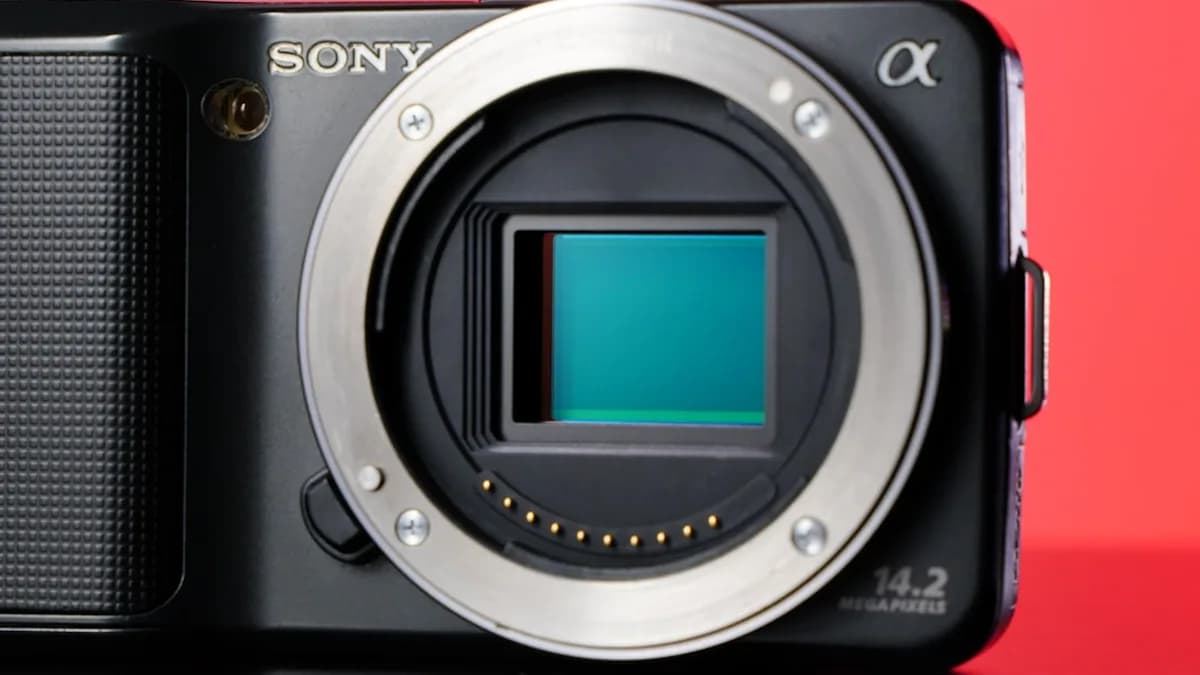
Sony is set to launch a flagship camera, the A7r VI, rumored to feature a 67-megapixel full-frame sensor—if confirmed, a move that would push the boundaries of high-res imaging in the consumer camera market. Early retail listings in Germany already allow reservations, signaling imminent availability, according to Notebookcheck.
A 67 MP sensor—if the rumors hold—marks a significant jump even within Sony’s own lineup, where previous A7r models have been defined by their high-resolution sensors but have not crossed the 61 MP mark. For professionals working in landscape, commercial, or fine art photography, every extra megapixel means more latitude in cropping, large-format printing, and digital archiving. If Sony delivers, this will shift expectations for what a full-frame sensor can provide and potentially set a new technical benchmark.
Breaking Down the Sony A7r VI’s Key Features and Technological Innovations
Details beyond the rumored 67 MP sensor remain scarce. The only clear fact is that Sony is promising a “brand new full-frame sensor” and that the A7r VI is being treated as a flagship. Rumors swirl about upgrades—autofocus, video performance, and processing power are common targets in new launches—but nothing is confirmed in the source.
If Sony’s pattern holds, this sensor could bring improvements in dynamic range and color fidelity, areas where the A7r series has previously excelled. Advances in image stabilization or AI-driven autofocus would address longstanding user pain points, such as sharpness at slow shutter speeds or reliable eye-tracking for fast-moving subjects. But at this stage, such features remain speculative. The only thing clear is that Sony is positioning this model at the top of its full-frame lineup, which implies a focus on both technical innovation and professional reliability.
Pricing Strategy and Market Positioning: What Sony’s Higher Price Means for Buyers
The A7r VI will launch “at higher price,” according to the source. No specific number, no direct comparison to previous models—just a clear signal that Sony is charging more for this flagship. This suggests Sony is aiming squarely at professionals and serious enthusiasts who prioritize the latest sensor tech over affordability.
For buyers, this means weighing the trade-off between bleeding-edge capability and cost. If the sensor and features deliver as rumored, the price premium might be justified for those whose work demands the highest resolution. For others, older models or mid-tier options may continue to provide better value.
Data Insights: Comparing Sony A7r VI’s Sensor and Performance Metrics to Industry Benchmarks
The only quantitative detail available is the rumored 67 MP sensor. No ISO range, no frame rates, no autofocus point count—so any direct comparison to Canon, Nikon, or even older Sony bodies is guesswork for now.
If the sensor rumor proves true, the A7r VI would likely claim the highest resolution in Sony’s current full-frame lineup. For practical scenarios, this means more flexibility in post-production and large-format output. But without hard numbers on ISO performance or burst rates, it’s impossible to say whether the new sensor comes with trade-offs like slower readout or reduced low-light capabilities.
Diverse Stakeholder Perspectives on the Sony A7r VI Launch
Professional photographers and camera enthusiasts are watching closely. Early reservations suggest pent-up demand among those needing maximum detail. Retailers in Germany have moved fast to offer pre-orders, betting on strong interest from early adopters.
Sony’s competitors and broader analyst reactions are not covered in the source. The only clear signal is that the market expects something significant from this launch, but questions about feature set, price justification, and real-world performance remain wide open.
Tracing Sony’s Evolution in Full-Frame Cameras Leading to the A7r VI Breakthrough
Sony’s A7 series has consistently pushed sensor resolution higher, carving out a niche among shooters who need every pixel. The VI’s rumored 67 MP sensor fits this pattern. Each generation has introduced new sensor tech, autofocus improvements, and incremental design changes aimed at professionals.
This launch appears to continue that trajectory, positioning the A7r VI as the next logical step for those who always want the latest and highest-spec full-frame body. Whether this is a true “breakthrough” or just an evolution will depend on how the rest of the specs compare to previous models—details still missing from public disclosures.
What the Sony A7r VI Means for Photographers and the Future of Imaging Technology
If Sony delivers a 67 MP sensor and backs it with meaningful upgrades, the A7r VI could reset expectations for professional full-frame cameras. Photographers who need maximum detail might see new creative and commercial possibilities, provided the sensor doesn’t compromise on speed or low-light performance.
For the industry, this launch could spark a new wave of sensor innovation, pushing rivals to respond. But for now, the story is mostly rumor: the sensor is “said to offer” 67 MP, the price will be higher, and key specs are still under wraps.
What to watch next: Confirmation of the final sensor resolution, feature list, and price will determine whether the A7r VI is a true flagship leap or just another incremental step. Evidence to confirm the thesis will come with Sony’s official launch and early third-party tests. Until then, the A7r VI is a camera defined more by anticipation than by verified specs.
Why It Matters
- Sony's rumored 67 MP sensor sets a new benchmark for full-frame resolution in consumer cameras.
- Higher resolution expands creative possibilities for professionals needing large-format prints or detailed crop flexibility.
- The A7r VI's launch could drive innovation and competition across the high-end camera market.