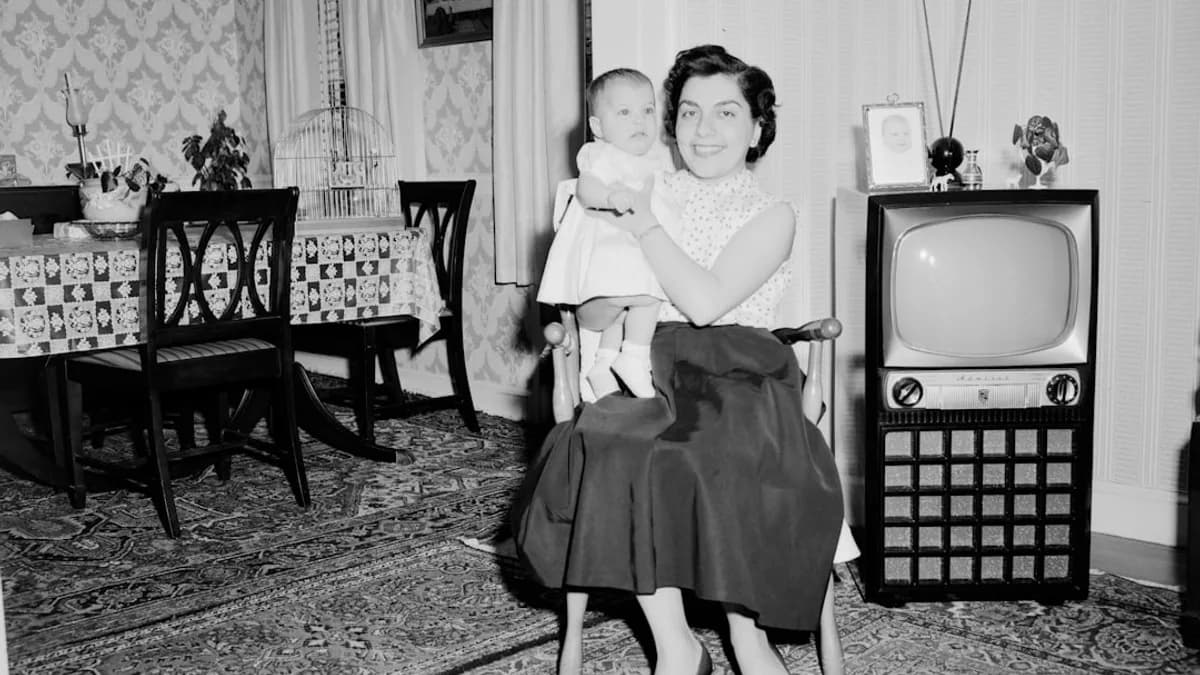
Classic TV Moms and the Power of Nostalgia: Why Pop Culture Is Spiking
A new wave of interest in classic TV moms has surged across digital platforms, dominating editorial pipelines and trending searches. This spike, anchored by a cluster of features from TMZ, Greater Good, Parade, and others, coincides with Mother’s Day and a broader cultural fascination with media nostalgia. The Google News editorial pipeline flagged at least three major sources covering retrospectives and lessons from iconic television matriarchs, signaling that this isn’t just a holiday-driven blip—it’s a moment of collective reexamination around family archetypes and the evolution of media role models.
The search cluster includes articles ranking the most beloved TV moms, exploring what these characters can teach us, and questioning whether we would actually want to be raised by them. The mix of lifestyle, psychology, and entertainment outlets underlines the cross-generational appeal of the topic. While exact search volume and social shares aren’t disclosed, Google’s editorial clustering and repeated syndication indicate broad engagement and viral potential according to TMZ.
Revisiting the Archetype: More Than Sentimentality
The current wave isn’t just feel-good nostalgia. Editorials from sources like Greater Good and Parade dissect the psychological and cultural dimensions of these characters. For example, Greater Good focuses on what 11 TV moms can teach, tying their behaviors to real-life parenting lessons and broader social values. WomansWorld adds a skeptical angle, questioning whether these archetypes would actually make good parents in real life. This duality—celebration and critique—signals a more nuanced public engagement with legacy media.
The focus on “revived sitcoms” and all-time favorites, as highlighted by Parade, suggests a feedback loop: as streaming platforms resurrect older IP and networks reboot sitcoms, audiences are prompted to re-evaluate the original stars. The reappraisal isn’t just entertainment—it’s a probe into how media shapes family norms and gender roles. The timing around Mother’s Day amplifies these questions, but the editorial depth indicates the trend is rooted in more than seasonal sentiment.
Lessons and Skepticism
Several sources probe the gap between on-screen ideals and real-world parenting. WomansWorld’s feature, for instance, weighs the emotional warmth of classic TV moms against hypothetical realities—would their strategies work outside a scripted environment? This line of questioning points to a broader cultural reckoning: audiences are now savvy enough to appreciate both the aspirational and problematic aspects of legacy media.
Key Players: From TV Networks to Modern Commentators
Three groups drive this trend. First, legacy media companies (network TV brands, streaming services) continue to monetize nostalgia through reruns, reboots, and themed content drops. Their stake is clear: extending the shelf life of old IP and driving engagement across demographics.
Second, digital publishers and lifestyle outlets are capitalizing on the spike with explainers, listicles, and contrarian takes. Greater Good, Parade, TMZ, and WomansWorld are prominent in this editorial cycle, each offering a distinct lens—psychology, entertainment, critical analysis. Their strategies converge on search optimization and cross-platform syndication, aiming to capture both clicks and cultural cachet.
Finally, the trend is buoyed by a wave of social commentary and second-wave feminist analysis, as seen in the critical distance many recent articles take. This isn’t just about celebrating June Cleaver or Claire Huxtable—it’s about interrogating why these figures endure, what they miss, and how they shape ongoing debates about family, gender, and media.
Market Implications: Nostalgia’s Economic and Cultural Power
The renewed focus on classic TV moms reveals a lucrative feedback loop for content creators and distributors. Every editorial retrospective drives new streams, clicks, and ad revenue for platforms with rights to legacy sitcoms. The “revived sitcoms” and “all-time favorite” mom rankings aren’t just editorial filler—they’re market signals that old IP retains monetizable value.
For publishers, these cycles are opportunities to refresh content calendars and capture seasonal search spikes. WomansWorld’s contrarian pieces and Greater Good’s psychological breakdowns allow outlets to differentiate, attracting both casual nostalgia-seekers and critical readers. This dual-appeal strategy deepens engagement and widens audience reach.
The skepticism about whether we’d want to be raised by these characters adds complexity to brand partnerships and advertising. Marketers must tread carefully—nostalgia sells, but audiences are alert to the gap between on-screen idealism and lived reality. Brands tying into these narratives will need to balance sentimentality with a nod to modern values and diversity.
What to Track Next: Will Nuanced Nostalgia Win?
Over the next 12 months, the endurance of this trend will hinge on a few watchpoints:
- Streaming and Network Moves: If major platforms announce new reboots or themed programming blocks centered on classic TV moms, it would confirm the commercial value of this nostalgia wave.
- Editorial Tone Shifts: Should critical and skeptical takes outpace celebratory coverage, expect brands to recalibrate their messaging—less pure sentiment, more historical context and critique.
- Audience Data: Actual viewership and engagement metrics (if released) will clarify whether this is a social media echo chamber or a broad-based resurgence.
- Advertiser Behavior: Watch for partnerships that blend nostalgia with modern inclusivity and realism, rather than simply recirculating old tropes.
Right now, the evidence points to a potent but nuanced nostalgia cycle—one where classic TV moms serve as both comfort food and conversation starter. The question is whether this trend can sustain itself beyond the current news cluster or if it will fade with the season. The editorial diversity suggests a deeper reckoning with our media past is underway, but only time and data will confirm if this moment marks a significant cultural recalibration or just another rerun.