Why Vivo’s X300 Ultra Challenges the Telephoto Obsession in Flagship Cameras
For the last two years, ultra-premium smartphones have been locked in a telephoto arms race. Xiaomi, Oppo, and Huawei each pushed zoom specs further, turning their top models into showcases for periscope hardware and multi-step optical tricks. But Vivo's X300 Ultra refuses to play that game. Instead, Vivo focuses its engineering on a radically upgraded 35mm main camera, leaving the telephoto lens largely unchanged from its predecessor. That’s a statement — and a bet — on what matters next in mobile photography, according to The Verge.
MLXIO analysis: Vivo’s pivot suggests the main lens still has room to set a flagship apart, even as competitors chase diminishing returns with extreme zoom. When nearly every “Ultra” phone touts its telephoto prowess, refocusing on the primary camera is both a technical and a marketing gamble — and a direct challenge to the industry’s current narrative.
Breaking Down the X300 Ultra’s Camera Hardware: What Makes the 35mm Lens Stand Out
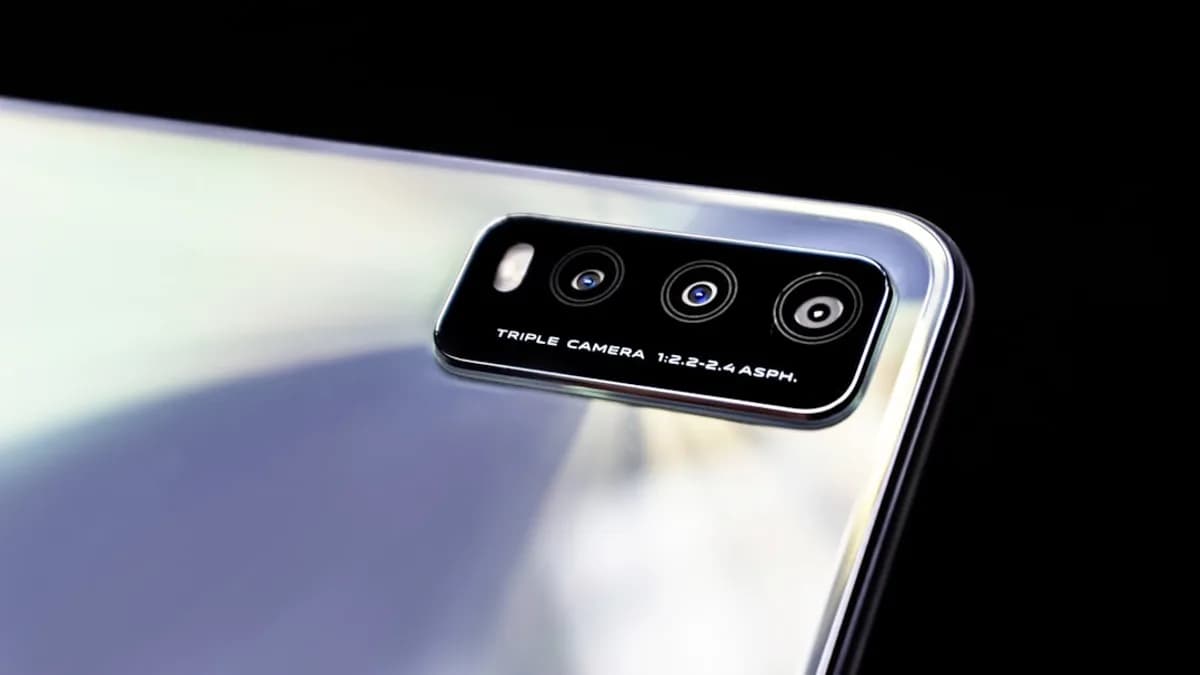
Vivo’s X300 Ultra isn’t just a spec bump. It introduces a 35mm main camera, a focal length traditionally favored in professional photography for its natural perspective. The source notes this main shooter is “significantly improved,” though it doesn’t provide granular details like sensor size or aperture.
This 35mm approach stands in contrast to the typical 23-26mm wide standards in competitors’ main cameras, and it’s unique among current flagships. By prioritizing the main lens, Vivo seems to be optimizing for everyday shooting conditions and portraiture, rather than the niche use cases that demand extreme zoom.
The source suggests Vivo’s engineering choices center on this unique focal length — not simply stacking megapixels or chasing the largest sensor possible. That’s a subtle but meaningful shift: it implies a focus on real-world versatility and image quality, rather than headline-grabbing numbers.
Data-Driven Insights: Comparing Vivo X300 Ultra’s Camera Performance with Other Ultra-Class Phones
The source declares Vivo’s X300 Ultra has “the best cameras in any phone,” a bold claim in a market dense with camera-focused flagships. However, it doesn’t provide head-to-head quantitative benchmarks like DxOMark scores, ISO performance, or detailed resolution comparisons.
What’s clear is that Xiaomi, Oppo, and Huawei’s recent flagships have made their telephoto specs their main selling points. Vivo’s X300 Ultra, by contrast, is positioned as the device with the most compelling all-around camera experience — and not just for distant subjects. The implication is that while other manufacturers have squeezed more range out of telephoto modules, Vivo’s 35mm main camera delivers a shooting experience and image output that stands above the rest, at least in the eyes of the reviewer.
Diverse Stakeholder Perspectives on Vivo’s Camera Strategy and Design Choices
Industry reviewers and analysts are divided. Some see Vivo’s focus on the main lens as overdue, a necessary correction after years of zoom hype. Others question whether average users will notice the difference, especially as telephoto marketing still resonates with buyers.
The Verge’s reviewer highlights a trade-off: the X300 Ultra excels in imaging but offers little excitement in physical design, calling it “mostly let down by its rather dull design.” This signals a disconnect. Vivo prioritized camera innovation, but didn’t take the same risks with the phone’s aesthetic or industrial feel. That could limit the device’s appeal to users who want their flagship to look the part as much as shoot it.
MLXIO analysis: Vivo’s choices here suggest a willingness to alienate some style-focused buyers in order to win over photography purists. That’s a rare stance in this segment.
Tracing the Evolution of Ultra-Class Smartphone Cameras: From Telephoto Dominance to Main Lens Innovation
Over the past few years, Ultra-class flagships have been defined by their telephoto advances. Manufacturers marketed periscope zoom, hybrid optics, and extreme focal lengths as the decisive features for pro-grade photography. Vivo’s X300 Ultra signals a possible turning point.
Instead of escalating the telephoto race, Vivo shifts the conversation back to the foundational camera — the main lens. This recalls an earlier era, when the primary camera was the main competitive battlefield and telephoto was an extra, not the star. It’s a calculated risk: if users respond to the improved main camera, rivals may have to rethink their own development roadmaps, moving away from one-upmanship in zoom.
What Vivo’s X300 Ultra Means for Smartphone Photography and Consumer Choices
If the X300 Ultra’s main camera truly delivers a better everyday experience, the standard for what makes a “best camera phone” could shift. Consumers might recalibrate their priorities, looking for natural perspective and sharpness over maximum zoom range.
Competitors are watching. If Vivo’s approach pays off, future flagships could trade telephoto obsession for renewed investment in main lens innovation. That would also affect the types of photos users take, nudging behavior back toward street, portrait, and documentary styles that favor a 35mm field of view.
Predicting the Future of Smartphone Cameras: Will Main Lenses Regain the Spotlight?
Vivo’s X300 Ultra sets a precedent: you don’t have to win the telephoto war to build the most compelling camera phone. Whether this signals a true industry shift depends on how rivals — and buyers — respond. If the X300 Ultra’s 35mm main camera is widely celebrated, expect more manufacturers to revisit their priorities, possibly dialing back on telephoto in favor of better baseline image quality.
What’s still unclear: Will other brands follow, or will telephoto specs remain the main currency in flagship marketing? The next generation of Ultra phones will answer that question. Evidence to watch: whether future launches tout main lens upgrades as headline features, or double down yet again on zoom.
MLXIO analysis: Vivo’s X300 Ultra didn’t just tweak a spec sheet — it challenged the hierarchy of smartphone photography. The real test is whether the market rewards that bet, or sticks to business as usual.
Why It Matters
- Vivo’s X300 Ultra challenges the industry trend of prioritizing telephoto lenses in flagship phones.
- The shift to a 35mm main camera could redefine what consumers expect from smartphone photography.
- This focus on real-world camera performance may influence future hardware decisions across the mobile industry.