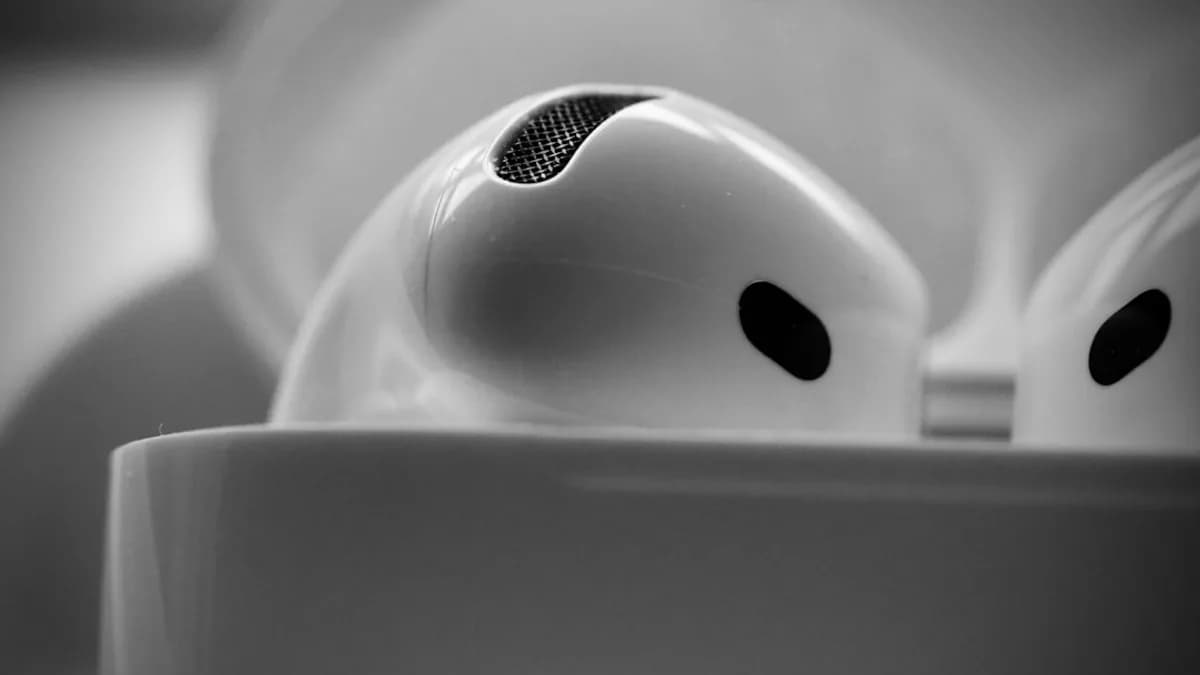
Apple’s Camera-Equipped AirPods and Hantavirus Outbreaks Dominate Global Headlines
Apple’s camera-equipped AirPods have reached late-stage testing, while a CDC-classified hantavirus outbreak on a cruise ship has triggered an international response across five U.S. states and multiple continents. These sharply contrasting stories are driving search and news volume, with data clustered around the rapid escalation of public health tracking and Apple’s imminent hardware milestone according to Bloomberg.
Apple’s product pipeline typically generates speculative buzz, but confirmed reports of biometric hardware testing mark a concrete step toward what could be the first truly AI-integrated wearable. In parallel, the hantavirus situation—escalated to a Level 3 CDC emergency—has forced governments, airlines, and the cruise industry into rapid coordination, exposing vulnerabilities in international health protocols according to ABC News.
Hardware and Health: Two Flashpoints Reshaping Risk and Opportunity
Apple’s push to integrate cameras into AirPods signals a material shift from audio-centric wearables to true multimodal devices. Reports confirm these AirPods are in final testing, with the addition of camera modules intended to supercharge Apple’s AI ambitions in “spatial computing” and user context awareness according to 9to5Mac. Final-stage testing means hardware and software teams are collaborating to validate that the camera functionality meets Apple’s privacy, power, and performance requirements. The move positions Apple to challenge Meta and Snap, whose camera-based wearables have failed to break out of niche use.
Meanwhile, the hantavirus outbreak is no longer a cruise-ship-contained incident. Five U.S. states are now monitoring passengers from the affected vessel. A case has surfaced on a remote UK island, and KLM acknowledged a passenger with hantavirus symptoms briefly boarded one of its Johannesburg flights according to CBS News. The CDC’s Level 3 emergency response reflects a resource-intensive, multi-state operation—a threshold rarely reached unless transmission risk and logistics overwhelm standard protocols.
Implications for Consumer Privacy and Public Health
Apple’s hardware testing now faces a dual challenge: technical viability and public trust. Camera-equipped earbuds raise inevitable privacy questions, especially as Apple’s AI ambitions hinge on real-world data capture. Their approach to on-device AI processing versus cloud reliance will be decisive for both regulators and consumers.
For the public health sector, the hantavirus outbreak’s spread highlights persistent gaps in global disease detection and containment. The fact that a single cruise ship incident now spans multiple state and national health systems exposes friction points in information sharing, traveler monitoring, and emergency escalation.
Key Stakeholders: Apple, CDC, Cruise Lines, and Airline Gatekeepers
Apple is the undisputed lead in the camera-AirPods narrative. Reports from Bloomberg, Mashable, and MacRumors point to internal milestones that suggest the project is nearing production readiness, likely as part of a broader spatial computing and AI device push according to Bloomberg. The rumored “AirPods Ultra” moniker signals a tier above the current AirPods Pro, likely with a price and feature jump.
On the public health front, the U.S. Centers for Disease Control and Prevention is orchestrating the emergency response, coordinating with state public health departments, cruise operators, and international health agencies. KLM’s public acknowledgment of the hantavirus-exposed passenger signals airline operators are now direct stakeholders, forced to implement new screening and notification protocols. The UK’s detection of a suspected case in a remote location demonstrates how quickly a localized outbreak can become a global issue, with remote health systems now on high alert according to Al Jazeera.
Market Consequences: Wearables, Travel, Health, and Investor Risk
Apple’s camera AirPods, if launched, will upend the wearables segment. The addition of camera and AI hardware moves the device category from passive accessory to active, context-aware assistant. This could spark a new wave of developer interest in “AI-first” wearables and challenge dominant paradigms in mobile-first computing. The competitive gap with Meta’s Ray-Ban Stories and Snap Spectacles would widen, given Apple’s scale and integration advantages.
For the travel and cruise industries, the hantavirus incident could trigger a re-pricing of health risk. Cruise operators and airlines face renewed scrutiny over biosecurity measures, passenger tracking, and cross-border incident reporting. For insurance underwriters, the exposure of multi-jurisdictional gaps may prompt premium adjustments or new clauses around infectious disease outbreaks. Governments and public health agencies will likely use this incident as a test case for emergency response system upgrades.
Short-term Winners and Losers
Apple’s hardware milestone is a win for its AI roadmap, but any privacy misstep could trigger regulatory and consumer backlash. Cruise lines and airlines are immediate losers in the public eye, given the rapid spread and visibility of the hantavirus case. Public health agencies face reputational risk if containment fails or if communication breakdowns are exposed.
12-Month Outlook: Metrics and Flashpoints to Watch
The next year will test whether Apple can ship its camera-equipped AirPods without triggering privacy or regulatory delays. Key evidence to track includes: leaked hardware images, supply chain signals, and developer kit rollouts. Analyst attention will focus on how Apple frames camera use cases and what on-device AI features are included at launch.
For the hantavirus outbreak, watch for CDC updates on case numbers, geographic spread, and any escalation to Level 2 or Level 1 emergency response. If new international cases emerge, or if airlines implement broad passenger screening, investor and public confidence in travel-related sectors could take a prolonged hit.
Both storylines—Apple’s hardware bet and the hantavirus’ public health challenge—will define risk and opportunity for their sectors. The evidence to monitor: Apple’s product event cadence and CDC/WHO emergency status changes, as their outcomes will shape regulatory, consumer, and market responses in the months ahead.