Russia’s Victory Day Parade Shrinks Amid Ukraine Assaults and Global Scrutiny
This week, Russia’s Victory Day parade—a linchpin of Kremlin propaganda and defense pageantry—was conspicuously scaled back, with international headlines zeroing in on the absence of tanks in Red Square and a marked chill in foreign attendance. The contraction comes as Ukrainian drone strikes and ground assaults rattle Russian infrastructure and morale, and President Zelenskyy openly warns Russia’s remaining allies to avoid Moscow’s spectacle according to DW. The optics signal a Kremlin forced onto the defensive—militarily, diplomatically, and symbolically.
Ukrainian Drone Warfare Reshapes the Kremlin’s Public Face
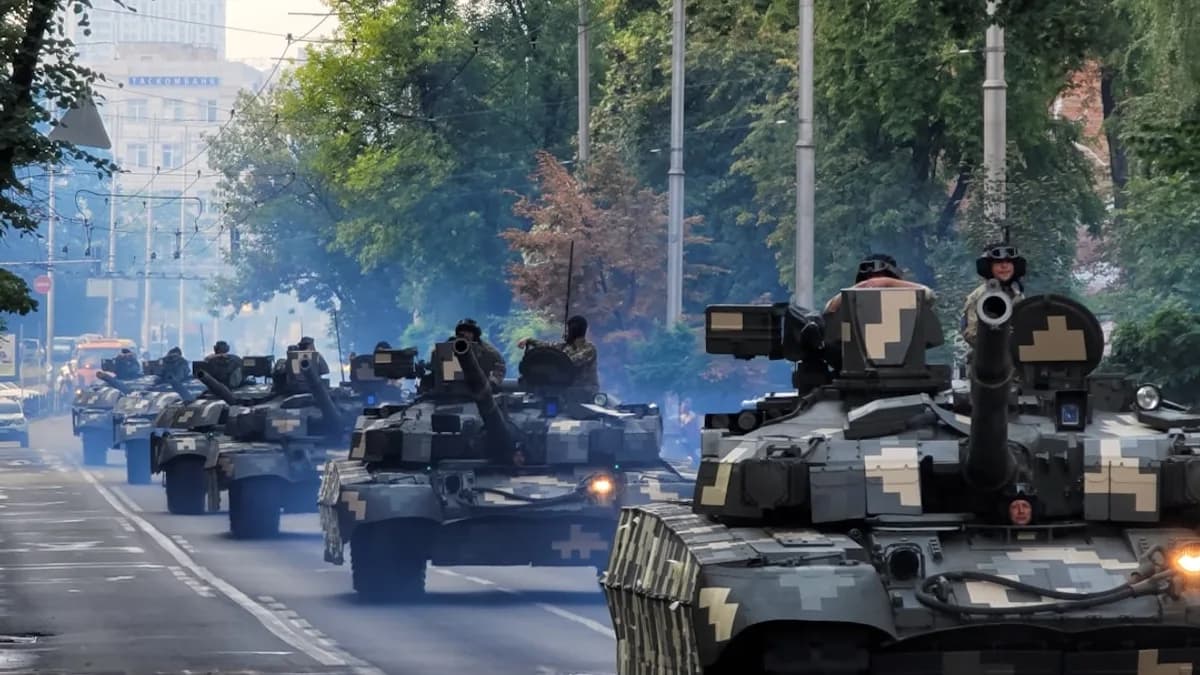
The shrunken parade and jittery national mood follow a series of Ukrainian attacks deep inside Russian territory. Al Jazeera and the BBC both point to the parade’s lack of tanks—a first in recent history—as evidence of Russia’s logistical strains and the risk of showcasing military assets that are needed at the front or vulnerable to sabotage according to BBC.
Why the Parade Matters
Victory Day is not just a nationalist touchstone—it’s a stage-managed assertion of regime competence and continuity. The cutbacks this year serve as a glaring admission that all is not well. BBC’s analysis underlines that the optics of “no tanks” undermines Moscow’s claim to military superiority, especially as the Ukrainian campaign intensifies.
Targeted Disruption
Ukrainian drone units, led by figures like “Madyar,” have received special mention for their role in “raining on Putin’s parade,” both literally and symbolically according to The Guardian. This new phase of the conflict is defined by asymmetric tactics, with drone technology allowing Ukraine to shift the cost curve and keep Russian forces off balance.
Zelenskyy’s Diplomatic Offensive: Isolating Moscow
President Zelenskyy’s pre-parade warning to Russia’s traditional allies—China, India, and post-Soviet states—was not subtle: any head of state attending the parade risks being tarred by association with aggression and war crimes. DW reports this blunt message as a direct bid to fracture Russia’s international support and raise the diplomatic cost for fence-sitters.
While the sources do not provide a guest list, the context suggests muted foreign participation, underscoring Russia’s growing isolation. Unlike previous years, when Moscow could count on a phalanx of world leaders, Victory Day 2024 offers little cover for those unwilling to defy Western sanctions or global opinion.
Russian Military Branding: No Longer Bulletproof
The Kremlin’s grip on narrative control is slipping. NYT describes the “no mood for celebration” atmosphere, with ordinary Russians and regime officials alike rattled by the war’s trajectory. The parade, once a showcase of invulnerability, now highlights vulnerability according to NYT.
What the Absence of Hardware Signals
The suppression of major military hardware at a flagship event reads as a concession that the war has depleted materiel and made logistics a liability. As the parade shrinks, so does the Kremlin’s ability to project power and deter adversaries.
Broader Market and Geopolitical Consequences
Diplomatic Fallout and Economic Risk
The erosion of Russia’s ceremonial confidence will ripple through its foreign policy and economic posture. With fewer allies willing to be seen in Moscow, sanctions circumvention becomes riskier, and the ruble’s credibility takes another hit.
Security Expenditure and Defense Sector Stress
The parade’s downsizing reflects not just battlefield woes but also budgetary and production bottlenecks. Western analysts will read the lack of tanks as a signal that Russia is struggling to replenish stocks and faces growing attrition in both hardware and morale.
Public Sentiment: Cracks in the Façade
NYT and BBC note the subdued public mood. While the Kremlin can still stage-manage domestic media, the contrast with previous years is stark. Every sign of weakness—no matter how choreographed—feeds into a cycle of uncertainty that could eventually spill over into elite or public dissent.
Evidence to Watch in the Next 12 Months
With the Kremlin’s propaganda machine now forced into damage control, the next year will test the regime’s ability to recover both hardware and narrative dominance. Key signals to monitor:
- Scale and composition of future parades: Watch for continued reductions or sudden surges in military displays. Either could signal regime calculations about confidence, resources, or threat perception.
- Foreign attendance at Russian events: A further drop-off in allied participation will reinforce Russia’s diplomatic isolation.
- Ukrainian strikes inside Russia: The frequency and effectiveness of drone or sabotage operations will determine whether Moscow’s vulnerability is a passing phase or a structural shift in the conflict.
- Kremlin messaging pivots: Any abrupt changes in state media tone or Victory Day themes could indicate new defensive strategies or internal regime disputes.
The 2024 Victory Day parade will be remembered not for what was shown, but for what was missing—and for the message that absence sent to Russia, Ukraine, and the rest of the world according to Al Jazeera. Uncertainty now defines the Kremlin’s most public ritual—and that uncertainty is the new normal for both Russian leadership and global markets.