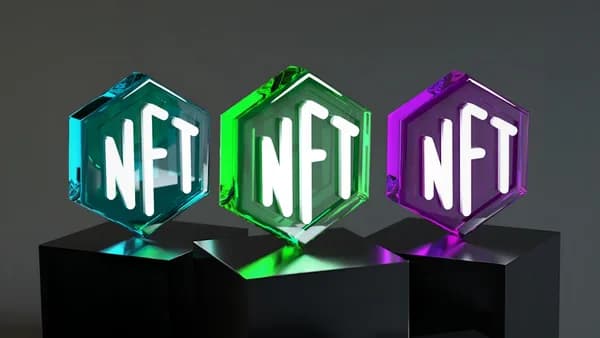
The comparison of NFT marketplaces vs traditional art is one of the most pressing topics for art collectors in 2026. As the digital art revolution continues, collectors are weighing the benefits and drawbacks of blockchain-based ownership against centuries-old practices in the physical art world. What are the true differences in accessibility, transaction security, ownership rights, resale value, and artist rewards? This in-depth analysis, grounded in real research, will help you understand where each marketplace stands, what risks are involved, and which is better suited for different collector profiles.
Overview of NFT Marketplaces and Traditional Art Marketplaces
NFT Marketplaces are digital platforms where non-fungible tokens (NFTs) are minted, bought, sold, and traded. An NFT is a unique digital identifier recorded on a blockchain, certifying authenticity and ownership of a specific digital asset—such as art, music, or video. Notable platforms include OpenSea, Foundation, SuperRare, Rarible, and KnownOrigin (Artblr).
Traditional Art Marketplaces encompass physical and online venues where tangible artworks—paintings, sculptures, drawings—are exhibited, auctioned, or brokered. This includes prestigious auction houses, commercial galleries, art fairs, and private dealers. Ownership here is tied to the physical object, often supported by documentation of provenance and authenticity (PicturePerfectPortfolios, Artblr).
"NFTs and traditional art each embody different ends of the art-collecting spectrum—one anchored in centuries of physical culture, the other emerging from cutting-edge digital innovation."
— PicturePerfectPortfolios
Accessibility and Global Reach Comparison
NFT Marketplaces
- Global Access: Anyone with an internet connection and a digital wallet can participate.
- No Gatekeepers: Artists can mint and list their works directly, bypassing galleries and agents (Artblr, PicturePerfectPortfolios).
- Instant Transactions: Collectors can buy, sell, or trade 24/7 from anywhere in the world.
Traditional Art Marketplaces
- Physical Constraints: Participation often requires physical presence at galleries, auctions, or fairs.
- Geographical Limits: International access is possible but involves significant shipping costs and logistical hurdles (Artblr, PicturePerfectPortfolios).
- Gatekeepers: Access to high-value works is often mediated by dealers, curators, or auction specialists.
| Feature | NFT Marketplaces | Traditional Art Marketplaces |
|---|---|---|
| Accessibility | Global, digital, 24/7 | Geographically limited, event-driven |
| Gatekeepers | None/Minimal | Galleries, curators, dealers |
| Artist Entry Barriers | Low | High |
Key Insight: NFTs democratize art collecting by removing traditional gatekeepers and expanding global reach for both artists and collectors (PicturePerfectPortfolios, Artblr).
Transaction and Payment Processes
NFT Marketplaces
- Smart Contracts: Automated, self-executing code governs sales, ownership transfers, and royalties (Wikipedia, Crypto.com).
- Instant Settlement: Transfers are recorded on the blockchain within minutes, with no need for escrow or physical delivery.
- Payment Methods: Primarily cryptocurrencies (ETH, etc.), requiring a compatible digital wallet.
- Fractional Ownership: Some platforms allow splitting an NFT into multiple tokens for shared ownership, though this is still uncommon (PicturePerfectPortfolios, Crypto.com).
Traditional Art Marketplaces
- Manual Processes: Transactions often involve multiple intermediaries—auctioneers, lawyers, escrow agents.
- Settlement Delays: Transfer of ownership and funds can take days or weeks, especially for high-value works.
- Payment Methods: Typically fiat currency via bank transfer, checks, or credit card.
- Fractional Ownership: Rare, except for some recent financialization initiatives.
| Attribute | NFT Marketplaces | Traditional Art Marketplaces |
|---|---|---|
| Payment Type | Crypto (ETH, etc.) | Fiat (bank transfer, card, cash) |
| Settlement Speed | Instant/blockchain-verified | Days to weeks |
| Intermediaries | None/Smart contract | Multiple |
| Fractional Ownership | Possible (rare but growing) | Uncommon |
Ownership and Provenance Verification
NFT Marketplaces
- Blockchain Record: Every transaction is permanently recorded and publicly viewable, making provenance easy to verify (Crypto.com, Wikipedia).
- Authenticity: The NFT serves as a certificate of authenticity, but legal rights to the underlying digital file can be ambiguous. Buyers rarely receive copyright or intellectual property rights unless explicitly stated (Wikipedia).
- Risks: NFTs can reference off-chain files, which may be moved or lost (link rot). Some NFT projects do grant explicit IP rights, but this is not universal (Wikipedia).
Traditional Art Marketplaces
- Physical Documentation: Provenance is established by a chain of physical documents (certificates, invoices, exhibition records).
- Counterfeiting Risk: Forgeries and fraudulent provenance documents remain a significant risk (Artblr).
- Legal Rights: Ownership usually confers full property rights, but copyright often remains with the artist unless transferred.
| Aspect | NFT Marketplaces | Traditional Art Marketplaces |
|---|---|---|
| Provenance Verification | Public blockchain, transparent, immutable | Physical paperwork, subject to forgery |
| Ownership Rights | NFT record; copyright/IP often NOT included | Physical ownership; copyright varies |
| Authenticity Risk | Link rot, smart contract bugs, scams | Forgeries, fake paperwork |
"The ownership of an NFT as defined by the blockchain has no inherent legal meaning and does not necessarily grant copyright, intellectual property rights, or other legal rights over its associated digital file."
— Wikipedia
Market Liquidity and Resale Opportunities
NFT Marketplaces
- High Liquidity (at peak): NFTs can be instantly listed for resale; marketplaces are open 24/7 (Wikipedia, IBTimes).
- Market Volatility: After a massive boom in 2021 (up to $17–23 billion traded), the NFT market saw a sharp collapse. By September 2023, over 95% of NFT collections had zero monetary value (Wikipedia).
- Secondary Markets: Smart contracts can enforce royalties on resale, benefiting creators with each trade (Crypto.com, Artblr).
Traditional Art Marketplaces
- Lower Liquidity: Reselling involves finding dealers, auction houses, or collectors; process is slower and often expensive (IBTimes, Artblr).
- Stable Value: Blue-chip works have shown long-term appreciation, but the market is less volatile than NFTs.
- No Automatic Royalties: Artists rarely benefit from secondary market sales.
| Attribute | NFT Marketplaces | Traditional Art Marketplaces |
|---|---|---|
| Resale Speed | Instantaneous (list/sell online) | Weeks to months |
| Market Liquidity | High at peak, but volatile | Lower, but more stable |
| Artist Royalties | Enforced by smart contract | Rare/nonexistent |
Costs and Fees Involved
NFT Marketplaces
- Minting Fees: "Gas fees" are required to mint NFTs (recording them on blockchain), which fluctuate based on network demand (Wikipedia, Crypto.com).
- Marketplace Fees: Platforms (e.g., OpenSea) charge a percentage of each sale; exact rates may vary.
- No Physical Costs: No shipping, insurance, or restoration costs.
Traditional Art Marketplaces
- Commissions: Galleries and dealers may charge 30–50% on sales (Artblr).
- Auction Fees: Both buyers and sellers often pay significant premiums to auction houses.
- Physical Costs: Shipping, insurance, and framing can add substantial expenses.
| Fee Type | NFT Marketplaces | Traditional Art Marketplaces |
|---|---|---|
| Listing/Minting Fees | Blockchain gas fees, platform % | Gallery/auction commissions (30–50%) |
| Shipping/Insurance | None | Required for physical works |
| Hidden Costs | Crypto conversion, wallet fees | Storage, restoration, insurance |
"One doesn't even have to leave their home or engage with any mediators and their costly fees."
— IBTimes
Investment Risks and Rewards
NFT Marketplaces
- High Risk, High Reward: Early NFTs saw astronomical gains, followed by equally dramatic losses. In 2023, 95% of collections had zero value (Wikipedia).
- Speculation and Bubbles: The market is prone to hype cycles and speculative buying (Artblr, Wikipedia).
- Ownership Risks: NFTs can vanish due to smart contract bugs or link rot; legal claims to the underlying asset are often unclear.
- Potential for Passive Income: Royalties on resale can generate income for creators and, in some cases, for collectors (Crypto.com, Artblr).
Traditional Art Marketplaces
- Long-Term Appreciation: Blue-chip artworks have historically appreciated, but the market is illiquid and subject to tastes.
- Physical Security Risks: Theft, fire, or damage can destroy value.
- Tax Considerations: Art sales can trigger capital gains tax (up to 28% in some jurisdictions; IBTimes).
| Risk/Reward | NFT Marketplaces | Traditional Art Marketplaces |
|---|---|---|
| Price Volatility | Extreme, boom and bust cycles | Lower, but still subject to market shifts |
| Asset Security | Digital risks (bugs, scams, link rot) | Physical risks (theft, damage) |
| Legal Ownership | Often ambiguous | Well established |
| Income Potential | Royalties via smart contracts | Rare for artists, none for collectors |
"NFT prices fluctuate drastically and can drop as quickly as they rise."
— Artblr
Impact on Artists and Creators
NFT Marketplaces
- Direct Access to Global Market: Artists can reach collectors worldwide without intermediaries (Artblr, PicturePerfectPortfolios).
- Programmable Royalties: Artists can earn a percentage of every future resale, a feature impossible in the traditional market (Crypto.com, Artblr).
- New Creative Forms: Digital, interactive, and animated art has found legitimacy through NFTs.
Traditional Art Marketplaces
- Cultural Validation: Exhibiting in galleries and museums remains a mark of prestige (Artblr).
- Intermediary Dependence: Artists rely on galleries and dealers, who take significant commissions.
- Limited Secondary Income: Artists rarely receive royalties on secondary sales.
| Attribute | NFT Marketplaces | Traditional Art Marketplaces |
|---|---|---|
| Artist Royalties | Automated, recurring on resales | Very rare |
| Market Access | Global, direct | Limited, mediated by galleries/dealers |
| Creative Mediums | Digital, interactive, evolving works | Physical, tangible art |
| Validation | Market-driven, less institutional | Institutional validation, exhibitions |
Legal and Regulatory Considerations
NFT Marketplaces
- Ambiguous Legal Rights: NFT ownership does not automatically include copyright or IP rights. Buyers must review each smart contract for terms (Wikipedia).
- Copyright Risks: Sellers may mint NFTs of works they do not own, and buyers cannot always prevent others from creating identical NFTs (Wikipedia).
- Energy and Environmental Concerns: Some blockchains are energy intensive, raising ecological questions (Artblr).
Traditional Art Marketplaces
- Clearer Legal Frameworks: Physical art sales are governed by well-established property and copyright law.
- Forgery and Theft: Risks remain, but legal recourse is better defined than in the NFT space.
| Legal Aspect | NFT Marketplaces | Traditional Art Marketplaces |
|---|---|---|
| Copyright/IP Transfer | Rare; must be explicit | Sometimes, but not always |
| Legal Recourse | Limited; blockchain records extralegal | Well-defined property law |
| Environmental Impact | Can be significant (blockchain energy use) | Minimal |
"The extralegal nature of NFT trading usually results in an informal exchange of ownership over the asset that has no legal basis for enforcement."
— Wikipedia
Conclusion: Which Marketplace Suits Different Collector Profiles?
Choosing between NFT marketplaces and traditional art marketplaces depends on your goals, risk tolerance, and preferences as a collector.
- If you value global access, direct transactions, programmable royalties, and are comfortable with digital assets and higher risk, NFT marketplaces offer innovation, liquidity, and new creative frontiers. They are ideal for tech-savvy, speculative, or digital-native collectors.
- If you prioritize physical tangibility, established legal frameworks, institutional validation, and long-term value preservation, traditional art marketplaces remain the gold standard. They suit collectors who appreciate art as a physical asset and value its cultural legacy.
| Collector Type | Best Suited Marketplace | Rationale |
|---|---|---|
| Tech-forward, speculative | NFT Marketplaces | Fast, global, programmable, but high risk |
| Legacy, risk-averse | Traditional Art Marketplaces | Tangible, proven, legal certainty, slower appreciation |
| Artist seeking royalties | NFT Marketplaces | Recurring income, direct sales |
| Prestige-seeking | Traditional Art Marketplaces | Gallery/museum validation |
| Hybrid | Both | Combine digital and physical for maximum flexibility |
"Rather than opposing traditional and NFT art, why not see these two worlds as complementary?"
— Artblr
FAQ: NFT Marketplaces vs Traditional Art
Q1: Do NFT buyers own the copyright to the artwork they purchase?
A: No, buyers usually only get a blockchain record of ownership. Copyright or IP rights are only transferred if explicitly stated in the smart contract (Wikipedia).
Q2: How do NFT marketplaces support artists compared to traditional art venues?
A: NFT platforms allow artists to sell directly to collectors and program royalties into their works, ensuring income from all future resales—something not possible in the traditional market (Artblr, Crypto.com).
Q3: Are NFTs a safer investment than traditional art?
A: No; NFT prices are highly volatile, and most NFTs quickly lost value after the market peak. Traditional art is less volatile but also less liquid (Wikipedia, IBTimes).
Q4: What are the main costs of buying NFTs vs traditional art?
A: NFT purchases involve gas fees and platform commissions, but no shipping or insurance. Traditional art often requires paying commissions of 30–50%, plus shipping and insurance (Artblr).
Q5: Can traditional artists benefit from NFTs?
A: Yes; traditional artists can mint NFTs to certify their physical works, track resales, or offer exclusive digital versions (Artblr).
Q6: Are NFT marketplaces environmentally sustainable?
A: Some blockchains consume significant energy, raising environmental concerns. However, not all blockchains are equally energy intensive (Artblr).
Bottom Line
The NFT marketplaces vs traditional art debate is not about which is inherently better, but which best fits your collecting goals. NFTs enable global, instantaneous, and programmable ownership of digital art, with unique benefits for creators and risk-tolerant collectors—but they also carry extreme volatility and legal ambiguities. Traditional art offers tangible assets, proven investment history, and institutional prestige, though with high entry barriers and slower liquidity. In 2026, the most agile collectors and artists may find synergy by leveraging both worlds, using NFTs to expand creative and investment horizons while still valuing the deep roots of physical art.