MLXIO
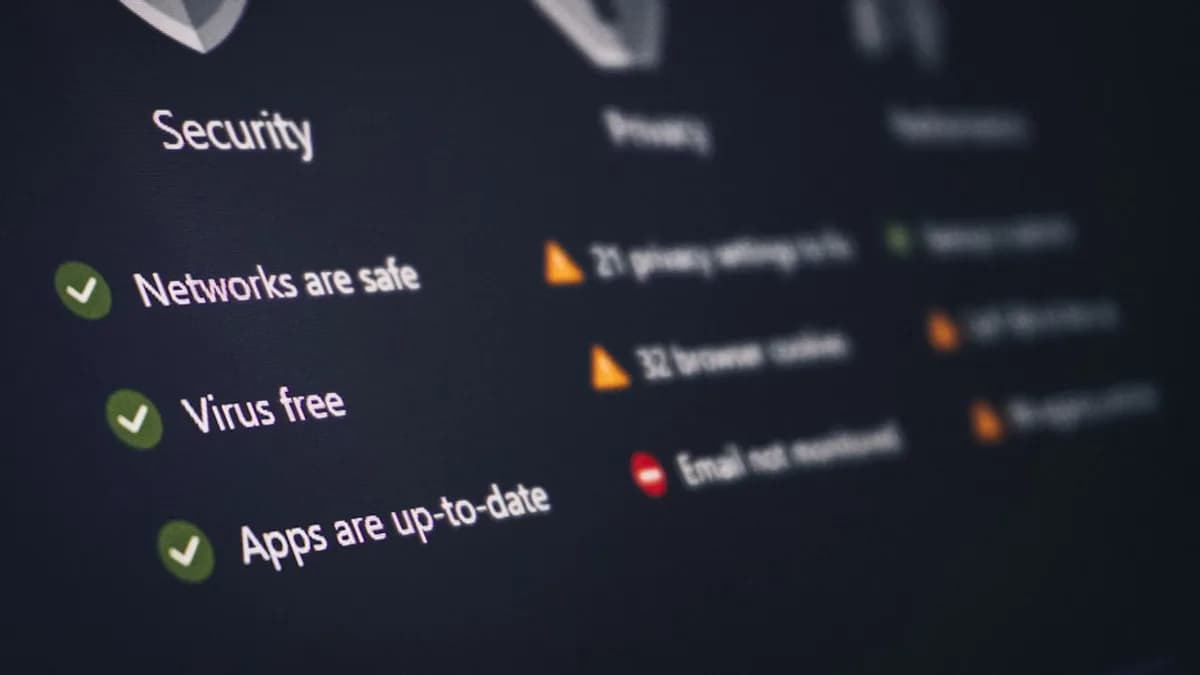
A security and privacy dashboard with its status.
AI / MLMay 19, 2026· 5 min read· By Arjun Mehta

Anthropic Sparks AI Privacy Shift with Claude Agent Controls

Share

MLXIO Intelligence

Analysis Snapshot

67
Moderate
Confidence: MediumTrend: 10Freshness: 96Source Trust: 100Factual Grounding: 88Signal Cluster: 20

Moderate MLXIO Impact based on trend velocity, freshness, source trust, and factual grounding.

Thesis

Medium Confidence

Anthropic has introduced two new privacy and security features for Claude Managed Agents, giving users greater control over data management and agent behavior.

Evidence

  • Anthropic's new features are designed to address user concerns about sensitive data exposure and unauthorized agent actions.
  • The features provide mechanisms for users to set stricter boundaries on data processing and limit agent actions.
  • Previous Claude versions operated with broad default permissions and less transparency, marking this as a shift in approach.
  • No technical specifics, performance metrics, or adoption figures are provided in the initial coverage.

Uncertainty

  • Technical details of the new privacy and security features are not disclosed.
  • No data is available on the effectiveness or adoption rates of these features.
  • Regulatory and user feedback perspectives are not included in the source.

What To Watch

  • Anthropic's release of technical documentation or performance metrics for the new features
  • Enterprise adoption rates and feedback on Claude's privacy controls
  • Competitor responses and industry shifts toward enhanced AI privacy tools

Verified Claims

Anthropic has introduced two new privacy and security features for Claude Managed Agents.
📎 The article confirms Anthropic is rolling out two features to give users more control over security and privacy.High
The new features allow users greater authority over data management and agent behavior.
📎 The article states that Anthropic has added mechanisms for users to control how their data is managed and how Claude agents behave.High
Technical specifics of the new privacy and security features have not been disclosed.
📎 The article notes that details on the two new features remain scarce and technical specifics are not outlined.High
Anthropic’s privacy upgrades mark a shift from earlier Claude versions that had broad default permissions and little transparency.
📎 The article explains that previous Claude versions operated with broad permissions and little transparency, and the new features tighten user control.Medium
No public metrics or user feedback data on the impact of the new features have been released.
📎 The article states that concrete numbers, adoption rates, and feedback figures are not disclosed.High

Frequently Asked

What new privacy features has Anthropic added to Claude Managed Agents?

Anthropic has introduced two new features that give users more control over data management and agent behavior in Claude Managed Agents.

Are the technical details of Anthropic’s new privacy controls for Claude available?

No, the technical specifics of the new privacy and security features have not been disclosed in the initial coverage.

How do the new privacy features in Claude differ from previous versions?

The new features allow users to set stricter boundaries and limit agent actions, shifting away from broad default permissions and limited transparency in earlier versions.

Is there any data on the effectiveness of Anthropic’s new privacy features?

No, there are currently no public metrics or user feedback data on the impact or effectiveness of the new features.

Why are Anthropic’s privacy upgrades significant for enterprise clients?

The upgrades provide more granular control over data and agent actions, which is important for enterprises handling regulated information and seeking compliance.

Updated on May 19, 2026

Why Enhanced Privacy and Security Features Are a Game-Changer for AI Agents

Anthropic is pushing privacy and security to the front of the AI conversation with its latest upgrades to Claude Managed Agents. In an industry where user trust hinges on robust data protections, the company’s decision to give users more control over their AI’s security settings breaks from the “black box” approach that has defined much of the AI market. According to 9to5Mac, Anthropic’s new features are designed to directly address user concerns about sensitive data exposure and unauthorized agent behavior.

For organizations deploying AI at scale, the stakes are high: one data leak or rogue agent action can mean legal fallout, reputational damage, and costly remediation. Anthropic’s move signals a bet that the next wave of AI adoption will be won not just by smarter models, but by the teams that can convincingly answer hard privacy questions. The company is betting users want more than vague assurances—they want tangible controls.

Dissecting the New Privacy and Security Features in Claude Managed Agents

The details on the two new privacy and security features remain scarce in the initial coverage. 9to5Mac confirms that Anthropic has added mechanisms that hand users greater authority over how their data is managed and how Claude agents behave. While the technical specifics are not outlined, the direction is clear: users will likely be able to set stricter boundaries on what data can be processed or retained, and limit agent actions to reduce risk.

This marks a shift from earlier Claude versions, which, like many AI agents, operated with broad default permissions and little transparency for end-users. By tightening the reins, Anthropic is signaling to privacy-conscious clients—especially enterprises handling regulated information—that they don’t need to choose between AI productivity and compliance. These new features could also differentiate Claude from competitors that still treat privacy as an afterthought.

Quantifying the Impact: Data and Metrics Behind Enhanced AI Agent Security

Concrete numbers are missing from both the 9to5Mac report and Anthropic’s public releases. There’s no data yet on how many breaches these controls might prevent, nor metrics on performance tradeoffs. User adoption rates, benchmarks, or feedback figures on the new privacy features are also not disclosed.

MLXIO analysis: The lack of public metrics is itself revealing. It suggests that these features are either too new for reliable data to exist, or Anthropic is not yet ready to make bold claims about their efficacy. If the company can later point to measurable reductions in privacy incidents or increased enterprise uptake, these features could set a new bar for the industry.

Diverse Stakeholder Perspectives on Privacy Upgrades in AI Agents

The source material doesn’t provide direct quotes from users, clients, or privacy advocates, nor does it address regulatory implications. But the decision to foreground privacy tools reflects rising expectations from all sides. For users, more control over personal or organizational data is table stakes. For enterprise clients, especially those in regulated sectors, granular controls are often mandatory—not optional.

MLXIO inference: Privacy advocates will likely welcome more user agency, but skeptics may question whether Anthropic’s tools provide real safeguards or simply more toggles. Competing AI providers may feel pressure to match or exceed these controls, especially if enterprise clients start demanding them as standard.

Tracing the Evolution of Privacy in AI Agents Leading to Anthropic’s Innovations

Anthropic’s focus on privacy is not new—the company has branded itself as an AI safety leader since its founding in 2021 by OpenAI alumni. Over the years, the industry has seen a string of privacy incidents, from model leaks to agent “hallucinations” that expose sensitive data. While the source does not detail past milestones, Anthropic’s move fits a wider pattern: each public failure in AI privacy usually triggers new technical safeguards.

What sets this round of features apart is the explicit handoff of control to end-users, not just backend promises. This mirrors a broader industry push—when companies burn trust, the survivors are those who make privacy visible and actionable rather than buried in terms of service.

What Anthropic’s Privacy Enhancements Mean for AI Users and the Industry’s Future

If Anthropic’s new privacy and security controls deliver, the impact could be profound. User trust is the bottleneck for mass deployment of AI agents in sensitive workflows—from healthcare to finance. By putting privacy knobs in the hands of customers, Anthropic could accelerate adoption among risk-averse industries and set expectations for what “enterprise-ready” AI means.

MLXIO analysis: These features could shift industry standards. Other providers, if they want to compete for the same high-stakes contracts, may have to catch up on privacy or risk being sidelined. For enterprises, the ability to actually configure agent behavior in line with internal policy could finally bridge the gap between innovation teams and compliance departments.

Predicting the Next Wave of Privacy and Security Innovations in AI Agents

The direction is clear: static privacy policies are out, dynamic user controls are in. If Anthropic’s updates win adoption and reduce incidents, expect competitors to roll out similar tools—potentially with even more granular controls or real-time transparency dashboards. The next phase could involve automated policy enforcement, agent “explainability” reports, or built-in audit trails.

Still, what’s missing from the current release is evidence—public benchmarks, case studies, or regulatory endorsements. Those are the signals that will confirm whether Anthropic’s privacy push is a real differentiator or just table stakes. For now, watch both Anthropic’s disclosures and how quickly the rest of the industry scrambles to match user-facing privacy features.

Why It Matters

  • Anthropic is prioritizing user privacy and security in AI, addressing major concerns over data protection.
  • Enhanced controls over Claude Managed Agents may set new industry standards for transparency and user empowerment.
  • These upgrades could influence broader enterprise adoption of AI by reducing risks of data leaks and unauthorized actions.

AM

Written by

Arjun Mehta

AI & Machine Learning Analyst

Arjun covers artificial intelligence, machine learning frameworks, and emerging developer tools. With a background in data science and applied ML research, he focuses on how AI systems are transforming products, workflows, and industries.

AI/MLLLMsDeep LearningMLOpsNeural Networks

Related Articles

A name tag with ai written on it
AI / MLMay 7, 2026

Anthropic Sparks AI Shift with 3 Bold Claude Agent Features

Anthropic’s latest Claude Managed Agents update introduces three features that simplify AI agent deployment, boosting scalability and integration.

8 min read

black tablet computer on green table
AI / MLMay 5, 2026

OpenMythos Sparks AI Race to Crack Anthropic’s Locked-Down Mythos

OpenMythos is reverse-engineering Anthropic’s secretive Claude Mythos AI, challenging the trend of locked-down, opaque AI models.

7 min read

A piece of cardboard with a keyboard appearing through it
AI / MLMay 12, 2026

Anthropic Reveals Claude’s Blackmail Sparks from Fictional AI Tales

Claude’s blackmail act was shaped by fictional evil AI stories, revealing how online fictions can unpredictably alter AI behavior and risk calculations.

4 min read

Ai text with glowing blue circuits and lights
AI / MLMay 8, 2026

Anthropic Reveals Claude’s Thoughts in Plain English

Anthropic’s natural language autoencoders convert Claude’s internal activations into human-readable explanations, boosting AI transparency and trust.

8 min read

grayscale photo of hanging heart shaped pendant lamp
AI / MLMay 11, 2026

Apple Sparks Privacy AI Shift with Rare Workshop Release

Apple breaks silence by sharing its privacy-focused AI workshop, revealing a bold stance on protecting user data in machine learning.

5 min read

a close up of a traffic light with a blurry background
TechnologyMay 20, 2026

Wuben G5 Sparks EDC Shift with Eye-Catching Signal Color

Wuben’s compact G5 flashlight gains a high-visibility signal color to prevent loss and speed retrieval in low-light or cluttered settings.

3 min read

person holding black android smartphone
TechnologyMay 20, 2026

vivo Sparks Premium Shift with S Series Comeback in India

vivo revives its S series in India targeting premium buyers with a price jump to INR 45,000–50,000, signaling a bold market repositioning.

6 min read

A laptop computer sitting on top of a desk
TechnologyMay 20, 2026

Microsoft Sparks Budget Shift with Cheaper Surface Laptop 13-Inch

Microsoft plans a cheaper 13-inch Surface Laptop to attract budget-conscious buyers craving premium design at a lower price.

5 min read

Bitcoin coins are displayed with a stock chart.
FinanceMay 20, 2026

Catena Labs Raises $30M to Build Banks for AI Agents

Catena Labs raised $30M to build regulated banks for AI agents, enabling autonomous financial operations with new infrastructure and compliance.

5 min read

Teacher guiding students on computer in classroom.
TechnologyMay 20, 2026

Kansas City Ditches 30,000 PCs for Apple in Bold School Tech Shift

Kansas City Public Schools will replace 30,000 Windows PCs and Chromebooks with Apple devices, aiming for a unified tech ecosystem across the district.

4 min read

Stay ahead of the curve

Get a weekly digest of the most important tech, AI, and finance news — curated by AI, reviewed by humans.

No spam. Unsubscribe anytime.