‘This is fine’ Creator Accuses AI Startup Artisan of Art Theft
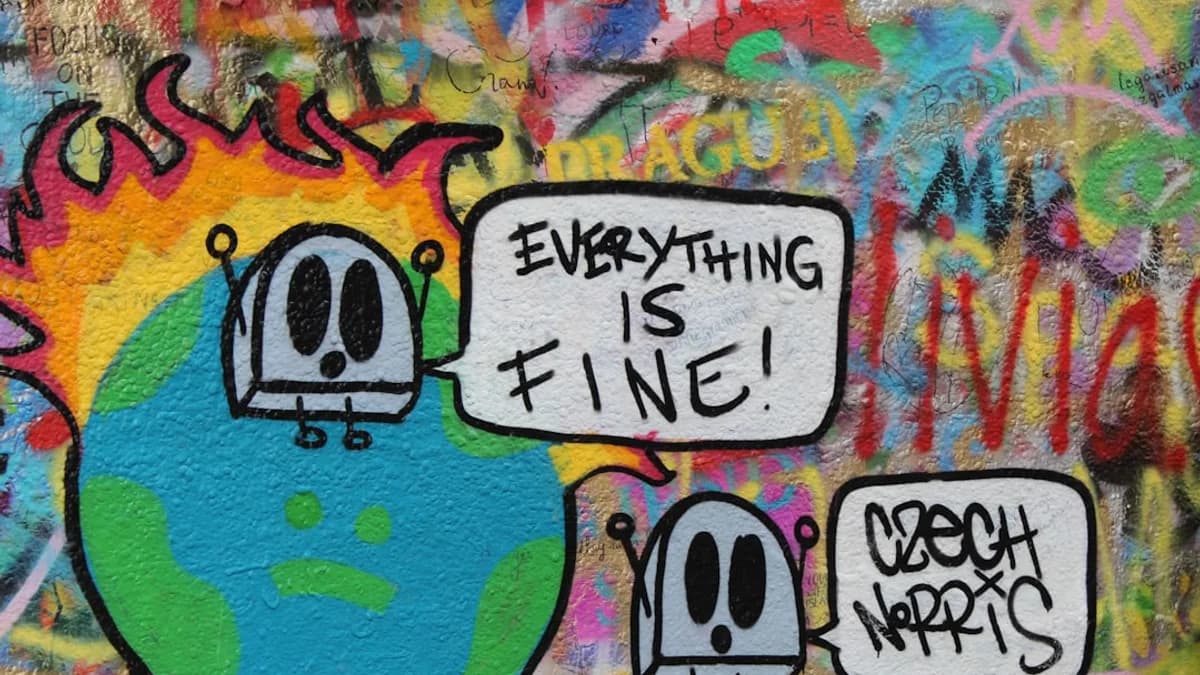
The artist behind the viral ‘This is fine’ meme says that his work was used without permission by Artisan, an AI startup behind a string of billboards telling companies to “stop hiring humans.” KC Green, who created the comic in 2013, alleges Artisan’s latest ad campaign features an AI-generated version of his artwork, reworked just enough to dodge copyright filters but still recognizable. Green’s accusation comes as the billboards—spotted in San Francisco and New York this week—triggered a social media firestorm over AI’s role in creative industries, according to TechCrunch.
Artisan, founded in 2024, has been pitching its text-to-image model as a tool for brands to automate ad creation and cut design costs. The company’s CEO declined to comment on specifics but said their data “respects fair use and open source guidelines.” Green’s representatives pushed back, stating, “Artisan’s ad is a direct derivative of KC’s work, not transformative enough to be fair use.” The controversy erupted just days after Artisan’s campaign launch, amplifying criticism from artists who say they’ve been cut out of both credit and compensation as AI models scrape the web for training data.
How Artisan’s AI Billboards Stir Controversy Over Human Creativity
Artisan’s billboards don’t just hawk automation—they taunt the very people they’re set to displace. “Stop hiring humans,” blares one sign over a cartoon dog surrounded by flames, a scene echoing Green’s iconic meme but tweaked by an algorithm. The company’s timing is aggressive: unemployment in creative fields hit a three-year high in Q1, and public trust in AI art tools has cratered since generative models became mainstream last year.
Ethical questions are stacking up fast. Critics argue that Artisan’s campaign crosses a line—from automating tasks to appropriating identity and style. Since early 2023, the US Copyright Office saw a 40% jump in complaints tied to AI-generated art and copyright confusion. The creative community’s reaction has been swift: artist unions and digital rights orgs are calling for new rules on how AI can use copyrighted material, especially when the output mimics living artists.
Industry experts warn that campaigns like Artisan’s may backfire, pushing brands and agencies to vet AI partners for legal risk. “If your ad is based on stolen IP, you’re not just risking a lawsuit—you’re branding yourself as hostile to creativity,” said one ad agency executive. The blowback is already visible: #ThisIsFine trended on X for 48 hours, and at least two Artisan billboard locations reported graffiti and protest stickers within days.
What’s Next for AI Art Ethics and Artisan’s Legal Challenges
Artisan now faces a legal headache with broader implications for the AI sector. If Green pursues a copyright infringement suit, the case could test whether minor AI-generated modifications truly sidestep intellectual property law—or if they’re just a smokescreen. Recent court decisions have been split: in January, a California judge sided with Getty Images against Stability AI for dataset scraping, but a New York court threw out a smaller artist’s claim for lack of “substantial similarity.” Artisan’s campaign could force regulators to clarify where the line sits.
This is more than a PR flare-up; it’s a warning shot for any AI startup scraping the web for training data. If courts or Congress decide that artists deserve royalties or opt-outs, compliance costs could spike overnight. The EU’s AI Act already requires dataset transparency, and US lawmakers are mulling similar bills. Brands using AI-generated art may soon need to audit every asset for copyright risk, raising friction and costs in what was pitched as a frictionless future.
For Artisan, the immediate question is whether they settle, fight, or pivot. For the industry, the outcome will shape how models are trained, how output is licensed, and how much control artists keep. As lawsuits pile up and regulators circle, the days of “ask forgiveness, not permission” for AI art may be numbered.
Impact Analysis
- The dispute highlights growing tensions between artists and AI companies over intellectual property rights.
- Artisan’s controversial ad campaign underscores ethical concerns about AI-generated content replacing human creativity.
- The debate may influence future regulations and compensation models for artists whose work is used to train AI.