Why Trump’s Promise to ‘Open Up’ China Faces Skepticism from Trade Experts
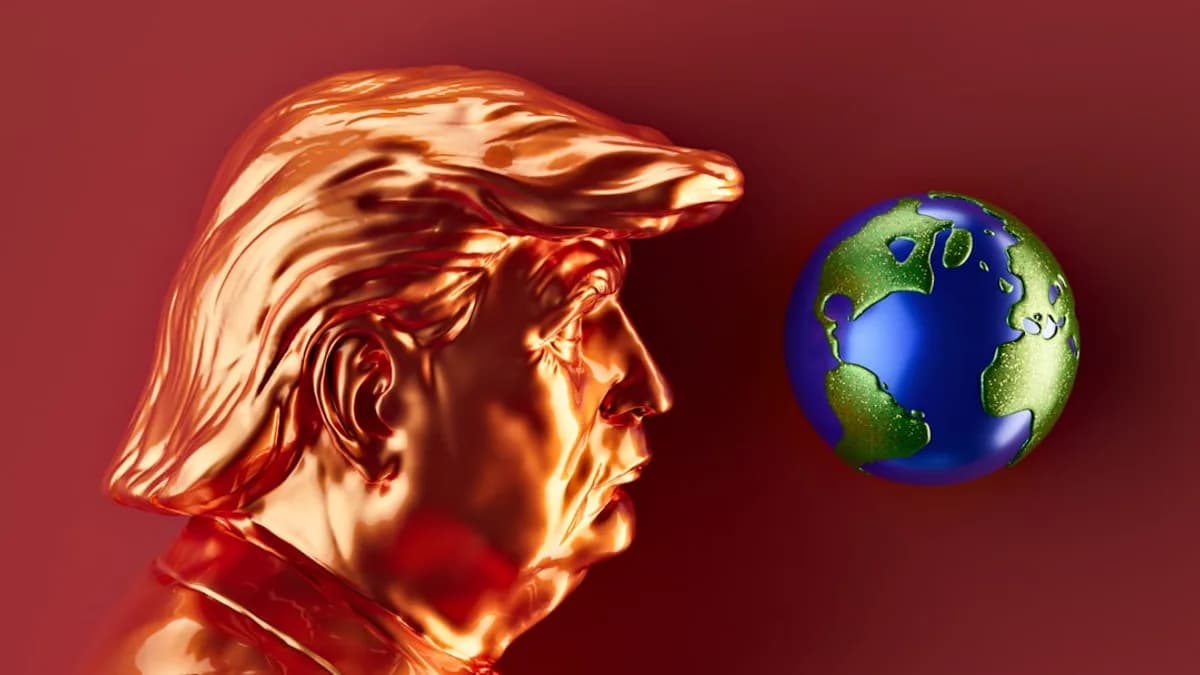
Donald Trump arrived in Beijing vowing to “open up” China’s economy, but few analysts expect sweeping breakthroughs. While the rhetoric is as ambitious as it was during his previous administration, expectations for the US-China summit are muted on both sides. Most experts cited by Al Jazeera see the summit as an opportunity to lock in a pause—not an end—to escalating tensions.
This skepticism isn’t new. US presidents have promised big wins from China summits for decades, only to deliver incremental deals or temporary truces. Trump’s pledge fits this pattern: bold language before the cameras, but limited room for maneuver behind closed doors. Political theater—especially with top business figures in attendance—plays well for domestic audiences but rarely shifts the fundamentals in Beijing-Washington relations.
MLXIO analysis: The persistent lack of trust is the main constraint. China views the US as a long-term strategic rival, not a partner. That reality continues to limit what either side is willing to concede, regardless of the headlines.
Current State of US-China Trade Relations: Data Reveals Lingering Tensions
US-China economic ties remain deeply strained. The article notes that both sides are expected to renew a one-year truce in their ongoing trade dispute, but there are no details yet on tariffs, quotas, or new market access. The absence of specifics signals unresolved friction, especially across strategic sectors like technology, manufacturing, and agriculture.
Trade between the two countries remains substantial, but tariff and non-tariff barriers have persisted. The summit’s best-case outcome appears to be an extension of the current truce—essentially maintaining the status quo rather than rolling back restrictions or introducing meaningful new openings. For industries caught in the crossfire, this means continued uncertainty: the cost of doing business remains elevated, and long-term investments are harder to justify.
MLXIO analysis: The stalemate is now the baseline. Both economies have adapted, but neither side is willing to blink first. The absence of any mention of actual numbers or new agreements in the source underlines just how little concrete progress is expected.
Diverse Stakeholder Perspectives on the Upcoming US-China Summit Outcomes
Washington and Beijing are talking past each other. US officials want clear, enforceable commitments—especially on market access and fair competition. China, meanwhile, is focused on maintaining its autonomy and keeping US influence at bay.
Business leaders, who traveled with the US delegation, are looking for clarity on investment rules and tariff schedules. For them, even a modest stabilization would be a relief, but few expect a sudden opening. Chinese officials remain wary, calculating that any concession could be reversed or politicized in Washington.
Trade analysts agree: expectations are low on both sides, and most are bracing for a modest statement rather than a transformative agreement. The summit is less about solving problems and more about preventing escalation.
How Past US-China Trade Negotiations Shape Expectations for the Current Summit
Decades of negotiation history hang over this meeting. From WTO accession to the Phase One deal, previous summits have produced headline agreements but rarely delivered on the toughest issues—intellectual property, forced technology transfer, structural reforms.
This time, the lack of trust is more explicit. Neither side expects the other to make unilateral concessions. The focus has shifted from grand bargains to managing friction and avoiding surprises. Analysts cited in the source argue that the best possible outcome is a modest stabilization, not a reset.
MLXIO analysis: Both sides have learned from the last several rounds—major breakthroughs are off the table unless each side is willing to give on core interests, which is unlikely in the current climate.
What a Modest Trade Truce Extension Means for Global Markets and Industry Players
A truce extension would give global markets a brief sense of relief but no real resolution. Supply chains that cross the Pacific will remain exposed to political risk. Companies in technology, agriculture, and manufacturing may get another year of breathing room, but no one is betting on a return to pre-trade war normalcy.
For international investors, the message is clear: the rivalry is structural. Any deals cut at the summit are tactical and reversible. This means hedging bets, diversifying suppliers, and preparing for regulatory whiplash as the two giants continue their strategic competition.
Predicting the Future: Will US-China Relations Improve or Remain Stalemated Post-Summit?
The summit’s likely outcome—a truce extension—signals a plateau, not a thaw. Whether relations improve or deteriorate will depend less on summit communiqués and more on how each side manages flashpoints in technology, security, and geopolitics.
What remains unclear: Will either government risk domestic backlash by making real concessions? Will new economic data or a global shock force a rethink? The summit offers a test, not a solution.
What to watch: Any details on sectoral openings, enforcement mechanisms, or timelines would be a sign of progress. The absence of such specifics will confirm that both sides are settling for managed rivalry, not reconciliation.
MLXIO’s bottom line: Ignore the rhetoric. The real indicator will be whether this summit produces durable commitments or just another pause in an ongoing contest. Both Washington and Beijing seem content to postpone a reckoning—at least for now.
Disclaimer: This MLXIO analysis is for informational and educational purposes only. It is not financial, investment, legal, tax, or professional advice. It does not provide buy, sell, hold, price-target, portfolio, or personalized recommendations. Verify information independently and consult qualified professionals before making decisions.
Impact Analysis
- The muted expectations highlight the deep mistrust and ongoing tensions between the US and China, affecting global economic stability.
- A lack of concrete progress at the summit means continued uncertainty for industries dependent on US-China trade, from tech to agriculture.
- The summit's likely outcome—a temporary truce—signals that fundamental issues in the relationship remain unresolved, with little relief for businesses or consumers.