Why Titan America SA’s Current Market Position Raises Investor Questions
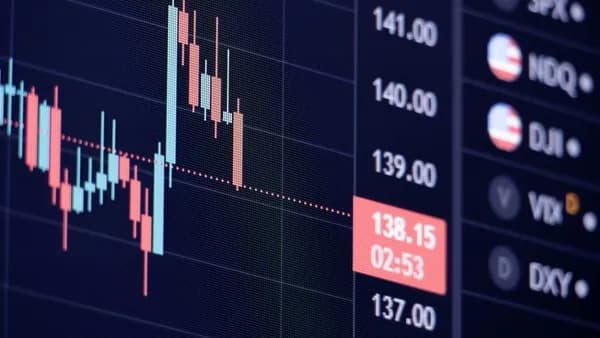
Titan America SA’s recent price swings have sparked more debate than conviction. Shares have oscillated between €19.50 and €22.10 since April, with intraday moves touching 4%—not the kind of stability that draws long-term capital. Volume has surged on both bullish and bearish days: over 1.3 million shares traded on May 15, double its three-month average. The volatility isn’t just technical; it reflects deeper uncertainty about the company’s trajectory, as analysts and investors weigh conflicting signals.
Market sentiment around Titan America SA (TTAM) splits sharply. Several brokerages downgraded TTAM to “hold” after Q1 earnings missed consensus by 6%, while others point out its resilient EBITDA margin—holding at 18% in a sector where 15% is typical. Institutional ownership sits at 42%, according to Yahoo Finance, but hedge fund activity has been muted, with no major new positions disclosed since March. The lack of aggressive buying from deep-pocketed players suggests skepticism about near-term upside.
Two events rattled investor confidence: first, TTAM’s delayed expansion in Texas, now pushed to late 2024 due to permitting slowdowns; second, rising input costs for cement and aggregates, which squeezed Q1 margins. The company responded with a €50 million share buyback, signaling management’s belief in undervaluation, but the move hasn’t quelled doubts. The question isn’t whether TTAM can survive—the question is whether it can outperform amid sector headwinds.
Titan America SA’s Financial Health: Deep Dive into Revenue, Profitability, and Debt
Titan America SA’s financials paint a mixed picture. Revenue for FY2023 hit €1.45 billion, up 8.2% year-on-year, outpacing most mid-cap construction material peers, whose average growth hovered around 6%. Q1 2024, however, showed a slowdown—only 2.1% topline growth, with management blaming adverse weather and delayed project starts. This raises concerns about cyclicality: TTAM’s exposure to infrastructure and commercial real estate makes it vulnerable to macro shocks.
Profitability remains above the sector median. TTAM posted a gross margin of 29.7% in 2023, while LafargeHolcim and CRH averaged 27%. Net income reached €176 million, yielding a 12.1% net margin, although Q1 2024 shrank this to 9.8%. Cash flow from operations—€224 million last year—has been robust, supporting both dividend payouts and buybacks. Free cash flow is trickier: capex spiked to €82 million in Q1, with management touting plant upgrades and emissions-reduction investments. The risk? If market demand falters, TTAM could overspend on expansion.
Debt is manageable but creeping upward. Total debt stands at €515 million, versus €480 million a year ago. That’s a debt-to-equity ratio of 0.48, comfortably below the industry’s typical 0.6. Liquidity ratios are solid: current ratio at 2.1, quick ratio at 1.6. TTAM’s €340 million cash reserve gives it room to maneuver, but interest coverage dipped to 7.1x in Q1, compared to 8.3x last year. Rising rates could pressure this further if refinancing becomes necessary. TTAM’s financial health isn’t fragile, but its margin for error is narrowing.
Industry Dynamics and Competitive Landscape Impacting Titan America SA’s Future
Construction materials haven’t been a sleepy sector lately. Infrastructure spending in Europe and the U.S. is accelerating, with the EU’s Green Deal and the U.S. Infrastructure Investment and Jobs Act funneling billions into roads and public works. Yet, supply chain bottlenecks and inflation are squeezing margins across the board, and TTAM isn’t immune.
Titan America SA commands a 6.5% share of the U.S. cement market—small compared to behemoths like CRH (15%) and LafargeHolcim (12%). Its main competitive advantage: vertically integrated operations from quarry to ready-mix, which allows for tighter cost control and supply reliability. This helped TTAM maintain steady shipments even as rivals reported shortages last year. The company is also ahead on sustainability, with low-carbon cement accounting for 18% of 2023 sales, compared to 10% for most peers.
Regulatory shifts are shaping the competitive landscape. Stricter emissions rules in California and the EU mean TTAM must invest heavily in production upgrades. The U.S. EPA’s new standards, announced in March, will require cement plants to cut NOx emissions by 12% within three years. TTAM’s Capex forecasts already reflect these compliance costs, but any missteps could mean fines or lost contracts.
The macro outlook is mixed: construction activity is robust, but recession fears linger, and commercial real estate demand remains tepid. TTAM’s positioning in infrastructure—rather than residential—offers some insulation, but the company still faces headwinds from labor shortages and rising materials prices.
Diverse Stakeholder Perspectives on Investing in Titan America SA
Institutional investors have grown cautious. BlackRock trimmed its TTAM position by 11% in Q1, citing “sector rotation” into industrials and tech. Vanguard, meanwhile, has held steady, emphasizing TTAM’s long-term infrastructure exposure. Retail shareholders are split: forums show debate between “value trap” skeptics and dividend-focused optimists. The dividend yield—now at 2.9%, up from 2.2% last year—draws income seekers, but payout ratios creeping above 60% spark concern about sustainability if profits falter.
Market analysts remain divided. Morgan Stanley rates TTAM “equal weight,” flagging execution risks on expansion projects, while JP Morgan calls it “undervalued” based on EV/EBITDA multiples (TTAM trades at 7.9x versus sector average 9.1x). Analysts highlight the €50 million buyback as a vote of confidence, but warn it could limit capital for growth or compliance.
Management’s strategy focuses on two pillars: capacity expansion in high-growth U.S. states and accelerating decarbonization. CEO Aris Papadopoulos recently outlined plans for a new Texas plant and increased R&D in low-carbon materials. But execution remains a risk, especially with permitting delays and regulatory uncertainty. Stakeholders see upside if TTAM delivers, but warn of downside if cost overruns or project slippage persist.
Risks flagged include: cyclical demand, margin compression, rising debt, and regulatory compliance drag. Rewards? Steady infrastructure demand, strong market positioning, and sustainability leadership.
Historical Performance Patterns of Titan America SA: Lessons from Past Market Cycles
Titan America SA’s track record through volatile cycles is instructive. During the 2008-09 financial crisis, TTAM’s revenue fell 14%, but it avoided a dividend cut—contrast that with CRH, which slashed payouts by 30%. In the pandemic-driven downturn of 2020, TTAM’s sales dipped just 3.8% while peers saw 7-10% declines, thanks to exposure to essential infrastructure projects.
Earnings volatility has been less pronounced than sector averages. Over the past decade, TTAM’s EPS CAGR stands at 6.4%, while the sector median is closer to 4%. Dividend payouts have remained steady, with only minor adjustments, and the company has maintained a payout ratio below 65% in all but two years.
TTAM’s resilience comes from vertical integration and strategic focus on infrastructure. When residential construction slumped, TTAM pivoted to public works and highway projects. The company’s ability to adapt, combined with prudent financial management, helped it weather storms better than most mid-cap rivals.
What Titan America SA’s Prospects Mean for Investors and the Construction Materials Sector
TTAM’s current dynamics offer investors both opportunity and caution. Its strong infrastructure exposure means it could outperform if public spending ramps up, but its slowing growth and rising debt signal the risk of margin compression. For portfolio diversification, TTAM provides a hedge against residential weakness and an indirect play on government stimulus.
Sector-wide, TTAM’s sustainability push—18% of sales from low-carbon cement—could force rivals to accelerate their own green transitions, raising Capex across the industry. If TTAM executes on its expansion plans, it could gain share in high-growth U.S. markets. But if cost overruns or project delays persist, the stock could lag sector averages.
Risk management is key: TTAM’s liquidity and debt metrics are solid, but investors should watch for any deterioration in cash flow or profit margins. The company’s dividend history and buybacks provide support, but aren’t enough to offset execution risk. TTAM’s performance will ripple through the construction materials sector, setting benchmarks for sustainability and operational discipline.
Future Outlook: Predicting Titan America SA’s Stock Trajectory Amid Market Uncertainties
Titan America SA faces a crossroads. If management delivers on Texas expansion and keeps margins steady, TTAM could see 10-12% annual revenue growth through 2025, pushing shares toward €25.00—a 15% upside from current levels. Bullish scenarios hinge on infrastructure momentum and successful green product rollouts, with low-carbon cement expected to reach 25% of sales by 2026.
Bearish outcomes are plausible. If permitting delays extend and input costs rise faster than TTAM can pass them on, EPS growth could stall or reverse. Debt could edge above €600 million by year-end, squeezing interest coverage and pressuring dividend sustainability. In that scenario, shares could retrace to €18.50, erasing recent gains.
Geopolitical risks lurk: any slowdown in U.S. infrastructure spending, or regulatory missteps in Europe, could dampen demand and raise compliance costs. Labor shortages and inflation remain wild cards, potentially inflating Capex and denting profitability. Investors should monitor quarterly results for signs of execution—especially on expansion and margin preservation.
Bottom line: TTAM is not a pure value play, nor a growth rocket. It’s a tactical bet on infrastructure spending and sustainability leadership, with execution risk front and center. The next two quarters will reveal whether TTAM can convert strategic plans into shareholder value—or whether volatility becomes the new normal.
⚠️ Disclaimer: This article is for informational purposes only and does not constitute financial advice. Always do your own research before making investment decisions.
The Bottom Line
- Titan America SA's volatility and mixed financials make it a risky bet for investors seeking stability.
- Strong EBITDA margins contrast with declining Q1 growth and delayed expansion, highlighting operational uncertainty.
- Institutional and hedge fund caution signal broader skepticism about TTAM's near-term upside.