Dow Jones Plummets Amid Renewed U.S.-Iran Tensions
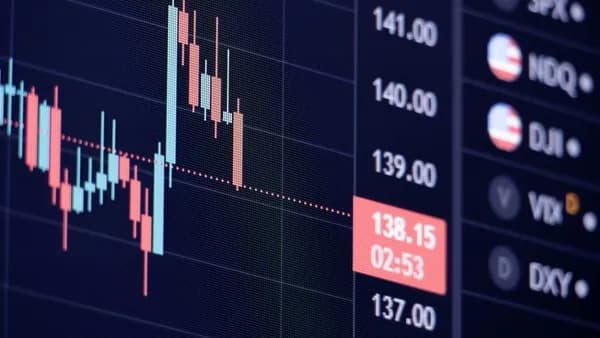
A fresh spike in U.S.-Iran hostilities slammed the Dow Jones Industrial Average on Thursday, with the index tumbling 1.6%—its sharpest single-day decline in nearly three months. The selloff ignited minutes after reports surfaced that Iranian-backed forces had targeted U.S. military assets in the region overnight, raising fears of direct escalation between Washington and Tehran. At the closing bell, the Dow shed 580 points, closing at 36,420, while the S&P 500 slumped 1.2% and the Nasdaq Composite lost 0.9% according to Yahoo Finance.
Investors dumped energy-intensive and industrial names, while defensive sectors like utilities and consumer staples offered little shelter. The CBOE Volatility Index (VIX) spiked above 18—a 20% jump—signaling a scramble for downside protection. Wall Street desks described the mood as “edgy, not panicked,” but the volume surge and broad risk-off tilt underscored how quickly geopolitics can rattle U.S. equities.
The timing of the news—hitting just as markets digested softer-than-expected jobless claims—amplified the reaction. Institutional traders who had been rotating into cyclical stocks on bets of a soft landing shifted gears, cutting exposure to anything tied to global growth. Treasury yields slid as investors sought safety, with the 10-year note dropping 7 basis points to 4.09%.
Oil Prices Surge as Geopolitical Risks Escalate
WTI crude spiked 3.4% to $88.50 per barrel, its highest close since October, as traders braced for potential disruptions to Middle Eastern output. Brent crude notched a similar gain, settling just below $92. The Middle East accounts for nearly a third of global oil supply, and any hint of U.S.-Iran conflict raises the specter of shipping bottlenecks through the Strait of Hormuz, which handles 20% of global seaborne oil flows.
Commodity desks reported a surge in hedging activity from airlines and logistics firms, anxious to lock in prices ahead of what could become a supply squeeze. The oil rally ricocheted through energy stocks: Chevron jumped 2.1%, ExxonMobil rose 1.8%, and the S&P 500 Energy sector outperformed all others—one of the few bright spots in an otherwise red session.
But higher oil prices also triggered fresh worries for consumer-facing and industrial sectors. Airlines slid, with Delta and United both down more than 4%. Transportation and manufacturing names, already sensitive to fuel costs, underperformed the broader selloff. The ripple effects were immediate: higher input costs, slimmer margins, and renewed doubts about a smooth inflation cooldown.
Geopolitical risk premiums are notoriously hard to price, but the current surge recalls the 2019 spike when attacks on Saudi oil facilities briefly sent Brent up 10% in a single day. The market’s message: any hint of sustained U.S.-Iran conflict, and crude could punch through $100 much faster than most analysts predicted a month ago.
Market Outlook: Navigating Volatility Amid Ongoing U.S.-Iran Developments
Markets now face a binary path—either tensions cool, allowing equities to recover, or further escalation drags indexes deeper into correction territory. If the U.S. and Iran confine hostilities to proxy groups and rhetoric, Wall Street may quickly look past the headlines, as it has during past flareups. But any sign of direct military engagement, especially threats to shipping or energy infrastructure, could trigger another risk-off stampede.
Investors are watching three signals: White House statements on military response, any fresh sanctions announcements, and real-time oil shipping data from the Gulf. The next OPEC+ meeting, scheduled for next week, has taken on added significance. If producers hint at output cuts or struggle to compensate for potential Middle East shortfalls, crude prices could climb even faster.
Analysts at major banks warn that if oil breaches $100, inflation expectations will likely tick higher, forcing the Fed to rethink its dovish tilt. Deutsche Bank strategists flagged the risk of a “stagflation scare” if energy shocks persist while growth weakens. This would hit equities and bonds alike, undoing the bullish consensus that’s driven markets since December.
For now, volatility is the only safe bet. Short-term traders are focusing on oil and defense stocks, while long-term investors are tightening stops and monitoring macro signals. With the U.S.-Iran narrative evolving by the hour, every headline carries the risk of another sharp repricing—making this a market where complacency will be punished.
⚠️ Disclaimer: This article is for informational purposes only and does not constitute financial advice. Always do your own research before making investment decisions.
The Bottom Line
- Heightened U.S.-Iran tensions can swiftly trigger broad selloffs in major stock indices.
- Surging oil prices increase costs for consumers and businesses, potentially fueling inflation.
- Geopolitical risk underscores the volatility and unpredictability facing global financial markets.