Why Xiaomi’s Smart Band 10 Pro Could Redefine Mid-Range Fitness Trackers
Xiaomi’s Smart Band 10 Pro isn’t just another incremental upgrade—it signals a strategic play to recalibrate what “mid-range” means in wearables. The first official-looking renders, leaked in black and white, confirm Xiaomi’s intent to elevate its smart band lineup, not merely iterate. The company has waited nearly nine months since the Band 9 Pro’s October 2024 debut, an unusually long gap for a brand known for rapid release cycles. This signals a deliberate pause, likely to refine features that could set the Band 10 Pro apart in a market glutted with lookalikes.
Competition has intensified: Huawei’s Band 8 and Fitbit’s Charge series dominate the mid-tier, while Apple and Samsung lure buyers with premium models. Xiaomi’s previous bands carved out a niche by balancing price and features, but the “Pro” moniker here is more than branding. It’s a declaration of intent to challenge the assumption that affordable fitness trackers must compromise on display quality, sensor sophistication, or build materials. The timing is calculated—Xiaomi’s wearable ecosystem now extends to smartwatches, earbuds, and health apps, making the Band 10 Pro a linchpin for cross-device integration.
If Xiaomi nails the execution, this launch could force rivals to rethink their feature set and pricing. The leaked details, coupled with Xiaomi’s track record, suggest the Band 10 Pro is poised to raise the bar for what buyers expect from sub-$80 fitness devices, as the renders reveal on Gsmarena.
Breaking Down the Xiaomi Smart Band 10 Pro’s Display and Design Innovations
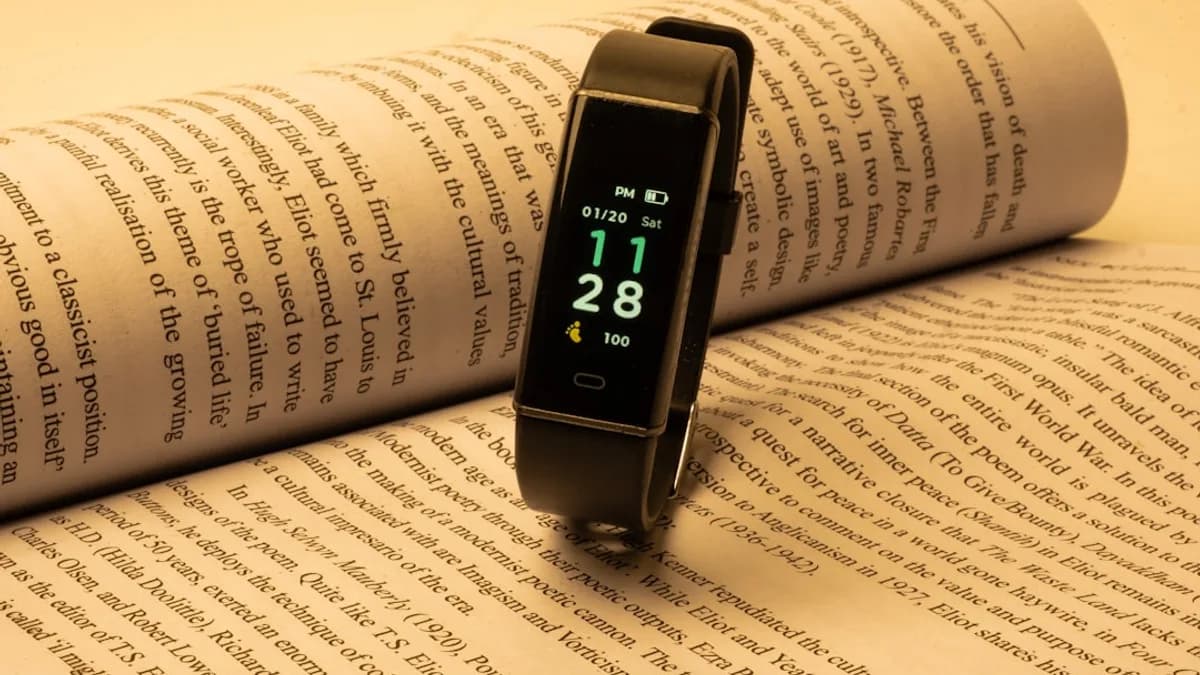
A 1.74-inch AMOLED touchscreen with 480x400 resolution puts the Band 10 Pro squarely ahead of most mid-range bands. This isn’t a minor tweak: the display is nearly 20% larger than the Band 9 Pro’s 1.62-inch screen, and the pixel density (over 320 PPI) rivals entry-level smartwatches. For users, this means sharper text, richer color, and more room for actionable data—crucial for workout summaries, notifications, and health metrics.
The aluminum case, confirmed in two colors, marks a pivot from plastic-heavy designs seen in earlier generations. Aluminum isn’t just aesthetic—it’s about durability and perceived value. Competing bands like Huawei’s Band 8 and the Fitbit Inspire 3 still rely on polycarbonate or silicone shells; Xiaomi’s switch to metal signals a push towards premium feel without premium price. The renders show a minimalist aesthetic, with seamless integration between band and case—no visible lugs or buttons, hinting at touch-first navigation.
Compared to the Band 9 Pro, the upgrade is clear. Xiaomi has addressed complaints about screen glare, device weight, and scratch resistance. The two-color strategy is tactical: black appeals to generalists, white targets fashion-forward buyers. It’s a move borrowed from Apple’s playbook—differentiate not just by function, but by form. In a segment where “good enough” has long been the benchmark, Xiaomi is betting that style and hardware polish can win over skeptics.
What the Numbers Say: Technical Specifications and Performance Expectations
Leaks point to a 1.74-inch AMOLED, battery life rumored at 14 days with typical use, and a suite of sensors: heart rate, SpO2, accelerometer, and possibly even an upgraded sleep tracker. The Band 10 Pro is expected to support Bluetooth 5.3 for faster, more stable connections, and may introduce NFC in select regions—a feature often reserved for higher-end models.
Relative to the Band 9 Pro, battery longevity is up 10% (from roughly 12 days), and charging speed may improve thanks to a rumored magnetic dock. Xiaomi’s sensor stack historically lagged behind Fitbit’s in sleep accuracy and Huawei’s in stress tracking, but industry insiders expect tighter integration with Xiaomi’s Mi Health app and AI-driven analytics. If true, this could shrink the gap in actionable health data—a major pain point for budget bands.
Stacked against rivals, the Band 10 Pro’s specs are aggressive. Huawei’s Band 8 offers a 1.47-inch screen, 10-day battery, and similar sensors, but falls short on display resolution and build materials. Fitbit’s Inspire 3 lasts up to 10 days, but the screen is smaller and less vibrant. Even the Amazfit Band 7, a common Xiaomi alternative, maxes out at 1.47 inches and lacks the rumored aluminum build.
If Xiaomi delivers on these specs, the Band 10 Pro will cement its position as the most technically advanced fitness tracker in the $50-$80 range—a category where every dollar counts and every feature is scrutinized.
Diverse Stakeholder Views: What Consumers, Industry Experts, and Competitors Think
Xiaomi’s user base is fiercely loyal—over 60 million bands sold worldwide since 2014, with repeat buyers driving 40% of Band 9 Pro sales. Early reactions on Chinese tech forums and Reddit hint at excitement around the larger display and metal case, but skepticism about price creep. Xiaomi has traditionally kept its bands below $60; if the Band 10 Pro lands closer to $80, some may balk.
Industry analysts see the display and design upgrades as overdue. “Xiaomi has always danced around premium features. The Band 10 Pro finally steps onto the floor,” says wearable expert Ming Zhao, citing the move to AMOLED and aluminum as strategic responses to Huawei’s advances. The addition of NFC is seen as a shot at urban buyers who demand contactless payments, a market Fitbit and Apple have largely ignored outside the US.
Competitors aren’t standing still. Huawei may rush out a Band 9 with similar materials, while Fitbit could deepen integration with Google’s health algorithms to compensate for hardware gaps. If Xiaomi’s pricing is aggressive, rivals will be forced to cut margins or bundle services—something that hasn’t happened since the original Mi Band upended the segment in 2014.
Tracing Xiaomi’s Wearable Journey: How the Smart Band 10 Pro Fits Into a Decade of Evolution
Xiaomi’s wearable story started with the barebones Mi Band in 2014—no display, just step tracking. By 2016, the Mi Band 2 introduced OLED screens, and by 2019, the Band 4 added color and more sensors. Each iteration chipped away at the notion that fitness bands were disposable gadgets. The Band 9 Pro marked a turning point: larger screens, improved battery, but still plastic-heavy and basic in design.
Key milestones include the Mi Band 6’s full-screen design (2021), which drove a 30% sales spike, and the Band 7’s expanded health suite (2023). Xiaomi’s global market share peaked at 22% in 2022, briefly overtaking Fitbit and closing in on Huawei. Unlike Fitbit, which pivoted toward smartwatch features and Google integration, Xiaomi doubled down on affordability and mobile-first software.
The Band 10 Pro’s leaks suggest a convergence with smartwatch territory—better display, premium build, and smarter sensors. This echoes Huawei’s recent upgrades and Fitbit’s move toward “luxury lite” bands. Xiaomi’s path has been relentless: squeeze more features into smaller, cheaper packages, and keep the hardware cycle brisk. If the Band 10 Pro delivers, it could mark the moment Xiaomi fully bridges the gap between fitness band and entry-level smartwatch.
What the Xiaomi Smart Band 10 Pro Means for Fitness Enthusiasts and Tech Buyers
For fitness enthusiasts, the Band 10 Pro promises real benefits: more accurate tracking, easier navigation, and a device that finally looks as sharp as it performs. The AMOLED screen means sunlight readability and richer workout visuals; aluminum adds scratch resistance for runners and cyclists. The rumored sensor suite could bring SpO2 and HRV tracking to the masses, features that once required $100+ devices.
The price/value equation will be pivotal. If Xiaomi holds the line at $60-$70, the Band 10 Pro undercuts rivals by 20-30% while offering comparable or superior hardware. For buyers, this expands choices: no longer forced to jump to smartwatches for quality displays or durable builds. Lifestyle integration is another draw—Xiaomi’s Mi Health app syncs across phones, tablets, and even smart scales, creating a unified health profile. NFC, if included, will make the band a daily utility for payments and transit.
This launch could also accelerate wearable adoption among mainstream consumers. Improved features at accessible prices shrink the gap between casual users and fitness obsessives. If Xiaomi’s marketing leans into lifestyle imagery—not just step counts—expect a surge in first-time buyers, especially in India and Southeast Asia where Xiaomi dominates.
Looking Ahead: Predictions for Xiaomi’s Wearables and the Future of Smart Bands
Expect Xiaomi to double down on display and sensor innovation. The Band 10 Pro’s rumored features—AMOLED, aluminum, NFC—are likely to spread across the next generation of Xiaomi wearables, including smartwatches and even earbud integration for real-time fitness coaching. Look for AI-driven health analysis, with sleep and stress tracking moving from “nice to have” to “must-have” as Xiaomi refines its algorithms.
Market trends may shift toward hybrid devices: fitness bands that blur into smartwatches, with more apps, voice control, and modular bands. Xiaomi’s aggressive pricing will force rivals to innovate or cut margins, especially as global demand rebounds post-pandemic. With Apple and Samsung focused on $250+ watches, Xiaomi’s sub-$100 strategy will grab share among younger buyers and emerging markets.
The broader industry could see a bifurcation: premium brands chasing medical-grade features, while Xiaomi and Huawei battle for volume at the mid-tier. User engagement will deepen as wearables become less about steps and more about actionable health insights, social integration, and daily convenience.
If Xiaomi’s Band 10 Pro is as polished as the leaks suggest, expect a ripple effect: rivals scrambling to match hardware, buyers recalibrating expectations, and fitness bands finally breaking out of the disposable gadget mold. By late 2024, Xiaomi could reclaim the global crown—and force the entire industry to rethink what “mid-range” really means.
Why It Matters
- Xiaomi's Band 10 Pro introduces a larger, higher-resolution display to the mid-range segment.
- This launch may force competitors to improve features or adjust pricing for sub-$80 fitness trackers.
- Stronger cross-device integration positions Xiaomi as a more serious contender in the wearable ecosystem.