Introduction to WhatsApp Plus: Meta’s New Subscription Service
WhatsApp, the world’s largest messaging platform, is testing a bold new way to monetize its billions of users: a paid subscription tier called WhatsApp Plus. In a move that signals a significant shift from its traditionally free and privacy-focused ethos, Meta is rolling out the subscription to a select group of users for early testing. WhatsApp Plus promises an array of premium customization options and enhanced features for a monthly fee. Priced at €2.49—just under $3—the service is competitively positioned against rivals like Snapchat Plus, which charges $3.99 per month for similar perks [Source: Source]. As Meta experiments with new revenue streams amid slowing ad growth and intensifying competition, WhatsApp’s foray into paid subscriptions could reshape what users expect from their messaging apps—and what they’re willing to pay for.
Exclusive Features Offered by WhatsApp Plus Subscription
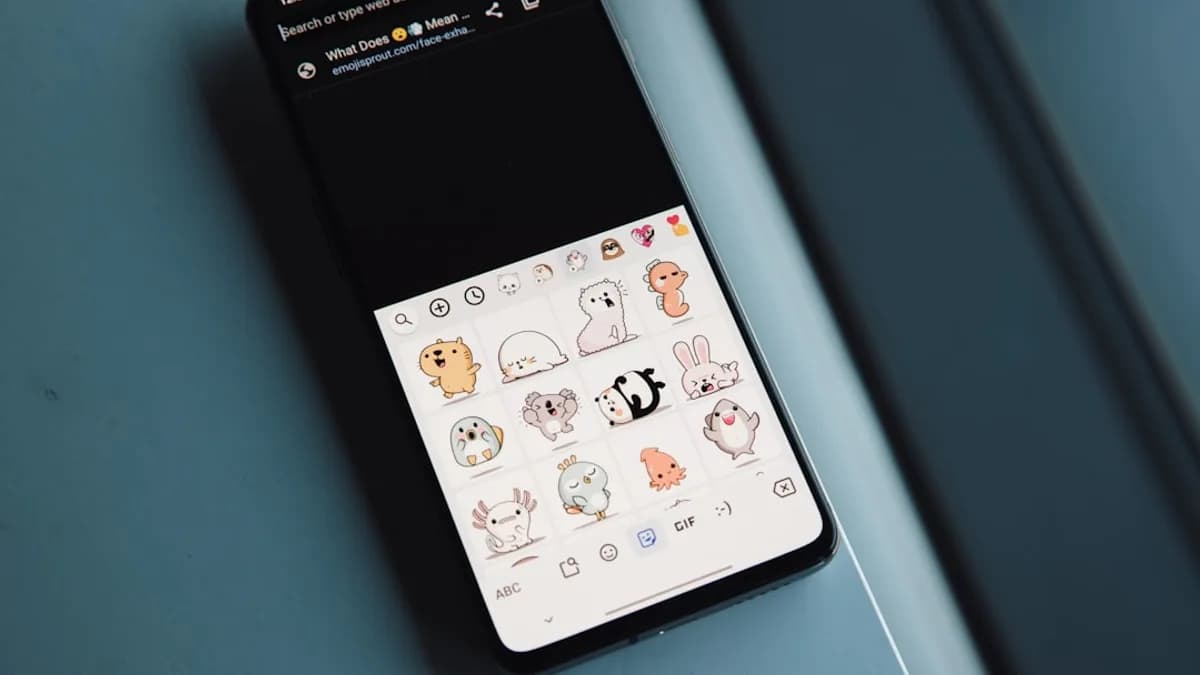
So, what exactly do you get for your monthly fee? WhatsApp Plus is designed to appeal to users who crave more personality and control over their messaging experience. The most eye-catching addition is a collection of premium sticker packs, available exclusively to subscribers. Stickers have become a staple of digital communication, allowing users to express emotions, celebrate milestones, or inject humor into chats. By gating new and potentially more creative sticker packs behind a paywall, WhatsApp is borrowing a page from the playbooks of Telegram and Snapchat, both of which have monetized digital expression through paid content.
But stickers are just the start. WhatsApp Plus subscribers can also access a suite of customization options rarely seen in mainstream messaging apps. These include the ability to switch between different app themes—think dark, light, or even more colorful palettes—and swap out the standard WhatsApp icon for a design that better matches your phone’s aesthetic. This level of personalization is increasingly popular among younger users, accustomed to tailoring their digital environments, and mirrors what’s available in Snapchat Plus and Telegram Premium.
Beyond cosmetics, WhatsApp Plus also aims to streamline the user experience, especially for power users or those juggling numerous conversations. Subscribers can pin up to 20 chats for easier access—a dramatic increase from the current limit, which is just three. For those managing group projects, family threads, or work chats, this could be a game-changer. The service also introduces the ability to apply custom settings in bulk to lists of chats, saving time and reducing friction for users who want granular control over notifications, privacy, and display options.
Another perk: premium ringtones for chat notifications. While seemingly minor, this feature taps into the nostalgia of customizing ringtones in the early days of mobile phones, offering yet another way for users to differentiate themselves. Taken together, these features suggest that WhatsApp Plus is targeting users who see messaging platforms as personal spaces to be curated—much like social media profiles or home screens.
Pricing and Availability of WhatsApp Plus Subscription
At €2.49 per month (about $3), WhatsApp Plus undercuts many of its direct competitors. Snapchat Plus, for example, costs $3.99 per month and offers a similar mix of cosmetic upgrades and early access to experimental features. Telegram Premium is slightly pricier, around $4.99 per month, but includes advantages like faster downloads, larger file uploads, and voice-to-text transcription—features that go beyond pure customization.
WhatsApp’s decision to price its service below these rivals could be a deliberate attempt to maximize uptake among its massive global user base, particularly in price-sensitive markets. It’s worth noting that WhatsApp Plus is currently available only to a limited number of users, as Meta gauges interest and collects feedback during this test phase [Source: Source]. There’s no word yet on which regions or platforms are included in the rollout, nor whether the feature will expand to a wider audience in the near future.
This restrained launch reflects a cautious approach. Meta appears keen to avoid alienating its core user base, which has come to expect a free, ad-free service. By testing the waters with a modest fee and a non-essential set of perks, WhatsApp can measure demand without risking backlash.
Implications of WhatsApp Introducing Paid Customization Features
Meta’s move to introduce a paid tier for WhatsApp is a pivotal moment in the app’s evolution. For years, WhatsApp positioned itself as a fully free, privacy-focused alternative to SMS and other chat apps, famously eschewing ads and monetization in its early days. The company’s 2014 acquisition by Facebook (now Meta) raised fears of data exploitation and commercialization, but WhatsApp’s core promise remained intact—until now.
This shift reflects broader industry trends. As growth in digital advertising slows and privacy regulations tighten, major platforms are scrambling to diversify revenue streams. Meta’s recent focus on subscription models—across Facebook, Instagram, and now WhatsApp—suggests that premium, paid experiences are becoming central to its business strategy.
WhatsApp’s embrace of paid customization may be especially significant given its global reach. With more than 2 billion active users, even a modest adoption rate could translate into a substantial new revenue source. If just 1% of users subscribe, WhatsApp could rake in hundreds of millions of dollars annually, all while keeping the main app free for the vast majority.
However, this move is not without risks. WhatsApp’s popularity has always hinged on its simplicity, accessibility, and lack of intrusive monetization. Adding paid tiers could fragment the user experience or create perceptions of a “second-class” free version. For users in lower-income regions—where WhatsApp is a lifeline for communication—any push toward paid features must be handled delicately to avoid backlash or migration to rival platforms.
Competition, too, is intensifying. Telegram and Snapchat have already launched premium subscriptions, each with its own mix of features. WhatsApp’s focus on personalization, rather than utility upgrades like larger uploads or advanced moderation tools, may help it stand out. But it also means that WhatsApp Plus is currently more about self-expression than productivity.
Looking ahead, it’s likely that Meta will use this test as a springboard for more ambitious paid offerings. If WhatsApp Plus proves popular, expect to see additional features—perhaps early access to experimental tools, enhanced group management, or even encrypted cloud storage—added to entice more users to pay. The subscription model could also open doors to enterprise-focused features, targeting businesses that rely on WhatsApp for customer engagement.
Conclusion: What WhatsApp Plus Means for Users and the Messaging Landscape
WhatsApp Plus marks a turning point for both users and the broader messaging app industry. For a small monthly fee, subscribers can unlock a new level of personalization and convenience—from unique stickers to the ability to better organize chats. This test signals a clear shift in WhatsApp’s business model, as Meta seeks to balance free access with new ways to generate revenue [Source: Source].
For users, the arrival of WhatsApp Plus offers more choices, but also raises important questions about the future of messaging platforms. Will paid customization become the norm? How will Meta balance monetization with its longstanding commitment to privacy and simplicity? As WhatsApp Plus rolls out to more users, it’s worth watching how the service evolves—and whether the features on offer are enough to justify the price. For now, WhatsApp is joining a growing trend: turning messaging from a utility into a customizable, premium experience.