Ultrahuman Ring Pro Launches with Advanced Health Features and Launch Discount
Ultrahuman just fired a shot in the wearables war: its titanium Ring Pro is live, packing a deep roster of health tracking features and an aggressive launch discount. The device, which claims to flag early signs of serious health issues, now undercuts the Oura Ring and other rivals on price—at least for early adopters, according to Notebookcheck.
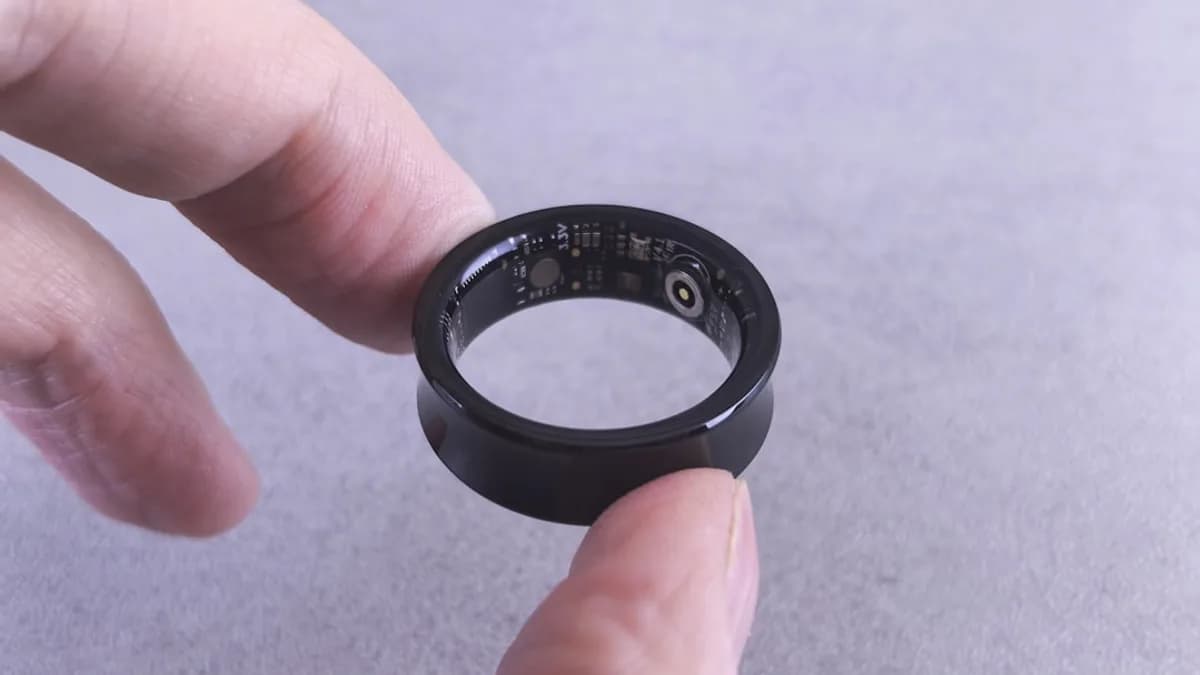
The Ring Pro stands out with its sensor suite: 24/7 heart rate, SpO2, skin temperature, movement, and sleep tracking, all crammed into a minimal metal band. That band is surgical-grade titanium—a material usually reserved for watches north of $1,000. Ultrahuman is betting that buyers want a device that blends into a wedding band lineup but delivers medical-grade metrics.
The launch price is where things get strategic. With a steep discount, Ultrahuman is courting early adopters who might otherwise bristle at yet another health subscription. The company’s move comes as Apple, Samsung, and smaller startups all chase a slice of the $121 billion wearables market (Statista, 2023). The message is clear: serious health data, premium materials, and a lower upfront cost—at least for now.
How Ultrahuman Ring Pro’s Health Monitoring Could Transform Wearable Tech
One claim sets the Ultrahuman Ring Pro apart: it can alert users to potentially life-threatening health risks. The company touts algorithms designed to detect abnormal heart rhythms, oxygen level drops, or sudden changes in skin temperature that could preempt a crisis. If the software delivers, that’s a leap beyond step counting and sleep scoring—this is about prevention, not just metrics.
Compared to the Oura Ring Gen3, which retails above $299 and also puts key features behind a paywall, Ultrahuman’s value play is clear. Most smart rings track basics like heart rate and sleep, but few claim to analyze health data for red flags in real time. Apple Watch leads on FDA-cleared ECG, but the bulkier form factor keeps it off fingers at night and during sports. For users who want continuous tracking without a wrist device, Ultrahuman is targeting a real gap.
The catch: advanced insights require a subscription. Users get core health stats with the ring, but deep analytics, personalized recommendations, and potentially the life-saving alerts are locked behind a paywall. Subscription pricing hasn’t been detailed, but the model mirrors Oura’s $5.99/month plan. That ongoing cost could be a friction point, especially as budget wearables like Xiaomi and Amazfit push hardware with no recurring fees. Still, for those serious about proactive health, the prospect of early warnings may justify the spend.
What to Expect Next: Availability, User Experience, and Future Updates for Ultrahuman Ring Pro
The Ultrahuman Ring Pro is available directly from the company’s website, with the launch discount slashing the typical retail price—though neither Ultrahuman nor Notebookcheck discloses the exact dollar figure. Shipping is global, and color options match the minimalist aesthetic: black, silver, and gold.
Early user reviews will be crucial. The Ring Pro’s claims hinge on accuracy and comfort—two factors that have tripped up past smart rings. Oura faced complaints about skin irritation and missed sleep events in its early days. If Ultrahuman nails fit and sensor reliability, it could set a new standard for finger-based health wearables.
Software updates will be the wild card. Ultrahuman promises “continuous improvement” of its algorithms and new features delivered via app updates. If the company can push meaningful upgrades—more actionable health warnings, better integration with third-party health apps—it could keep users paying the monthly fee. But if updates stall, user churn will follow.
Looking ahead, the Ring Pro’s launch will pressure incumbents. Expect Oura, Circular, and Samsung (rumored to be working on its own smart ring) to rethink pricing or add features. For buyers, the playbook is clear: watch for real-world data on accuracy and comfort, and weigh the value of subscription health insights against the hardware’s upfront cost. The next six months will reveal whether Ultrahuman’s mix of premium materials, aggressive pricing, and ambitious health claims can break through the noise—or just add another ring to the pile.
Why It Matters
- Ultrahuman Ring Pro offers advanced health tracking at a lower upfront cost, challenging established rivals.
- Its titanium build and medical-grade metrics signal a shift toward premium, preventative health wearables.
- Launch discounts and strategic pricing may reshape consumer expectations in the rapidly growing wearables market.