NHTSA Launches Investigation into Uber Partner Avride Following Multiple Self-Driving Crashes
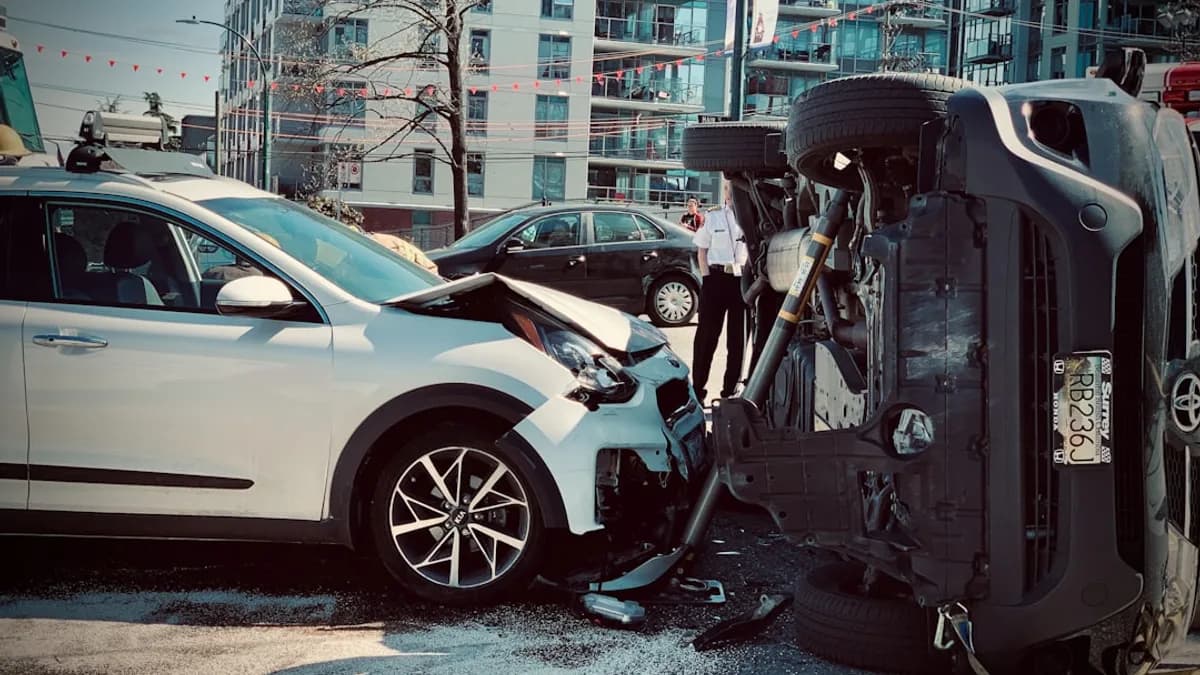
The National Highway Traffic Safety Administration has opened a formal investigation into Avride, an Uber partner, after identifying more than a dozen crashes involving the company’s self-driving vehicles and one minor injury, according to TechCrunch. The probe centers on the safety performance of Avride’s autonomous technology and marks the latest regulatory challenge for ride-hailing operators betting on driverless fleets.
NHTSA’s move comes after a series of incidents where Avride’s vehicles were involved in collisions. While only one minor injury has been reported, the volume of crashes triggered concern from federal regulators. The agency has yet to disclose a detailed timeline or the full scope of the probe.
Implications of Avride’s Crashes on the Autonomous Vehicle Industry and Public Safety
A federal safety investigation cuts straight to the core of autonomous vehicle trust. Each crash—over a dozen in this case—chips away at public confidence, especially when a partner as visible as Uber is involved. The fact that the NHTSA stepped in so quickly signals a low tolerance for safety lapses as self-driving cars edge into mainstream mobility.
For Uber, Avride’s troubles could mean operational headaches and a public relations storm. If the investigation finds systemic faults, Uber’s partnership may draw scrutiny from local regulators or transportation authorities, risking delays or limits on self-driving pilots.
Safety remains the central issue. One minor injury may sound small, but the threshold for public acceptance of autonomous vehicles is far less forgiving than for traditional cars. Avride’s handling of these incidents—and Uber’s response—will set the tone for how the industry manages future setbacks.
Next Steps for Avride and What to Expect from the Ongoing NHTSA Investigation
The NHTSA typically follows a structured process for these probes, but so far, no timeline has been released. The investigation could result in a range of outcomes: mandatory recalls, fines, or restrictions on Avride’s ability to operate its fleet. For now, the agency is gathering data and assessing whether Avride’s technology poses an ongoing risk.
Avride and Uber face mounting pressure to demonstrate robust safety protocols and transparent communication with both regulators and the public. Any sign of evasiveness or technical flaws could magnify scrutiny—and penalties.
Several unknowns hang over the case. The exact causes of the crashes, the nature of Avride’s self-driving stack, and whether software, hardware, or human oversight played a role remain undisclosed. Without this information, the scale of the problem—and its fix—remains opaque.
For industry watchers, the next months will be critical. If NHTSA’s probe uncovers widespread issues, repercussions could ripple through Uber’s strategy and beyond, forcing a rethink of how and when autonomous vehicles hit public streets. Until regulators weigh in, Avride’s future—and the pace of self-driving adoption—remains in flux.
Impact Analysis
- Federal scrutiny of Avride puts the safety of self-driving technology under the spotlight.
- Uber's partnership with Avride may face regulatory and reputational risks if systemic issues are found.
- Public acceptance of autonomous vehicles could be affected by the outcome of this investigation.