Why Tom Shiraiwa’s Solo Localization Work Shaped Capcom’s Global Success
Capcom’s global breakthrough didn’t hinge on flashy marketing or a sprawling international team—it came down to one man, Takuya “Tom” Shiraiwa, translating, negotiating, and selling, sometimes all in the same day. In 1990, Capcom’s entire localization operation for overseas markets was Shiraiwa alone, handling everything from rewriting game scripts to hustling arcade boards to U.S. partners, as Notebookcheck reports.
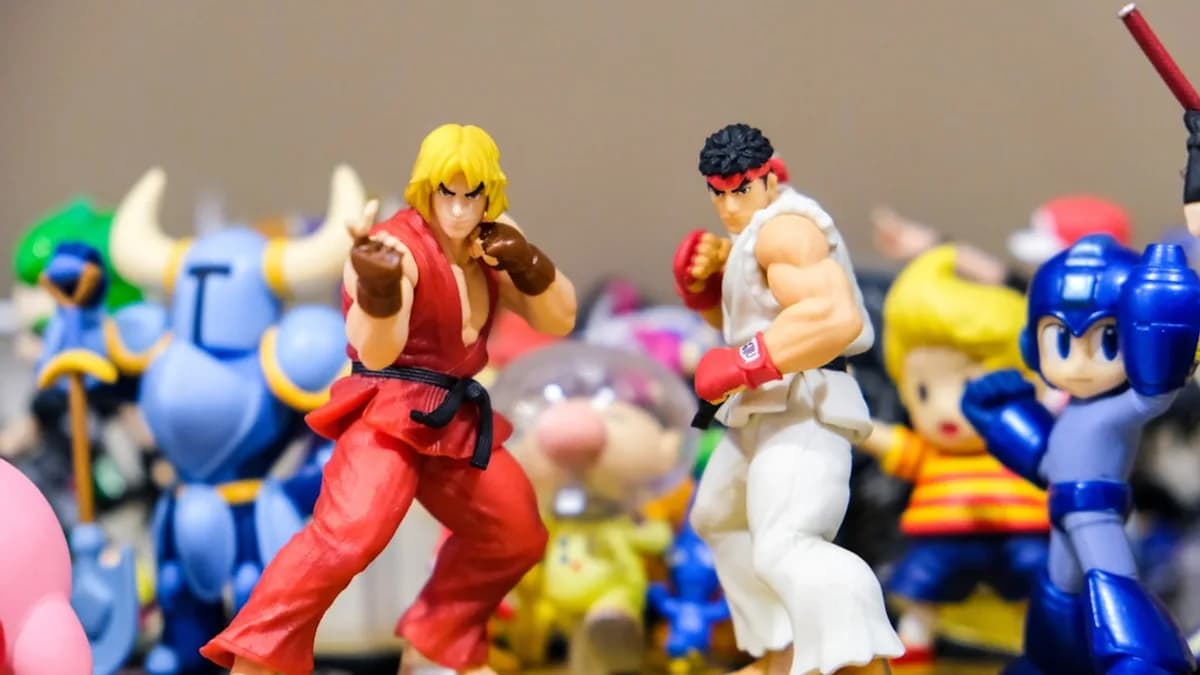
This wasn’t just grunt work. Without a dedicated team or even a formal process, Shiraiwa shaped how titles like Street Fighter II and Final Fight sounded, played, and were perceived outside Japan. He became the bridge between two wildly different gaming cultures, and Capcom’s U.S. success—totaling hundreds of millions in arcade revenue by the mid-‘90s—can be traced back to his relentless multitasking. Ignore the myth that localization is a simple “translate and forget it” job. For Capcom, Shiraiwa’s fingerprints are all over its earliest international wins. Individual contributors like him often get left out of company lore, but their impact lingers in every quarter Capcom still makes from global audiences.
The Overwhelming Workload Behind Early Game Localization Efforts
Imagine being the only person responsible for translating every piece of in-game text, debugging localization quirks, and, in the same breath, serving as the primary sales contact for overseas arcade boards. Shiraiwa didn’t just translate—he wrote manuals, adjusted dialogue for Western tastes, and handled technical tweaks, all while acting as Capcom Japan’s main point of contact for its San Jose outpost. In an era before Google Translate or cloud-based collaboration, he fielded late-night calls, managed logistics, and shipped boards across the Pacific, sometimes without even a break to sleep.
Shiraiwa’s story isn’t unique for its era, but it is extreme. In the 1990s, most Japanese game publishers treated localization as an afterthought—something for a junior staffer, or, in Capcom’s case, literally one employee. Industry surveys from the time show that translation and localization typically received less than 1% of a game’s total budget, even for hits. The result? Constant crunch, missed cultural nuances, and, in many cases, notorious “Engrish” glitches that became memes before memes existed.
The broader trend: game localization was systemically under-resourced. Japanese studios prioritized domestic launches, often treating Western releases as a secondary revenue stream. Localization professionals were expected to be jacks-of-all-trades—writers, engineers, cultural consultants, and international salespeople—without any of the support their counterparts in marketing or development received. Shiraiwa’s workload, described in recent interviews as “crushing,” mirrored an industry-wide blind spot: the belief that one person could represent an entire country’s voice and commercial interests.
How Insufficient Compensation Undermined Early Localization Talent Retention
Despite his growing influence, Shiraiwa’s compensation didn’t keep pace with his responsibilities. He became indispensable, yet his pay and recognition lagged behind both technical and business staff handling much narrower roles. By the early 2000s, Capcom’s global sales had ballooned, but Shiraiwa found himself still carrying the same burdens—without the salary or authority to match.
This isn’t just a Capcom problem. Across the industry, localization staff have long been underpaid relative to their contribution to international success. A 2002 IGDA report found that localization professionals earned, on average, 30% less than core development staff, despite the mounting complexity of global launches. Shiraiwa’s departure in 2004 for Square Enix—a move motivated by both better pay and a more sustainable workload—underscores the industry’s failure to retain its most valuable global talent.
The cost of undervaluing localization goes beyond turnover. When companies lose institutional knowledge, they risk inconsistent quality, slower international launches, and missed cultural cues that can tank overseas sales. Shiraiwa’s exit was a wake-up call: talent retention isn’t just about perks or prestige, but about fair compensation for those who make global sales possible.
Acknowledging the Counterargument: Was Solo Localization Sustainable or Beneficial?
Some defenders of the one-man localization model argue that it ensured tighter control and a consistent creative vision. A smaller team means fewer miscommunications and a direct line between the original devs and the overseas market. In a cost-sensitive era, especially before the PlayStation-era boom, cutting headcount in localization freed up budget for core development or marketing. And, to be blunt, Capcom’s early international success speaks for itself: Street Fighter II’s U.S. arcade run, for example, grossed over $2.3 billion—more than any Hollywood film of its era.
Yet this efficiency came at a price: burnout, bottlenecks, and a lack of scalability. When all localization knowledge and process live with one person, any absence—illness, burnout, or departure—risks derailing entire launch schedules. More critically, relying on solo operators makes it impossible to build institutional memory or adapt to the growing complexity of modern games, which now launch in up to 20 languages simultaneously. The solo model may have worked in a market with fewer SKUs and lower expectations, but today’s global releases demand teams, not lone heroes.
Why Modern Game Companies Must Learn from Shiraiwa’s Experience to Value Localization Experts
The lesson for today’s gaming giants is clear: treat localization not as an afterthought, but as a strategic asset. The global games market is now worth over $180 billion annually, and non-English speaking regions drive the majority of new user growth. Companies that still try to run localization on the cheap, or with skeleton crews, are leaving money—and goodwill—on the table.
Investing in robust localization teams pays off. Nintendo, for example, now credits its dedicated translation and adaptation units for the success of franchises like Pokémon and Animal Crossing overseas. These teams do more than translate; they rewrite jokes, retune difficulty, and even select character names to fit local tastes.
Shiraiwa’s story is a warning and a blueprint. Recognize the outsized impact of localization professionals, pay them accordingly, and give them the resources to build scalable, culturally-savvy teams. Otherwise, today’s studios risk repeating the mistakes of the past—and losing the next Shiraiwa to a competitor who knows their worth.
Why It Matters
- Tom Shiraiwa’s solo localization efforts laid the foundation for Capcom’s international success and reputation.
- His hands-on work bridged cultural gaps, ensuring games like Street Fighter II resonated with Western audiences.
- Highlighting individual contributions underscores how critical behind-the-scenes roles can shape global industry outcomes.