Why Gaming in Public Still Feels Awkward Despite Steam Deck’s Popularity
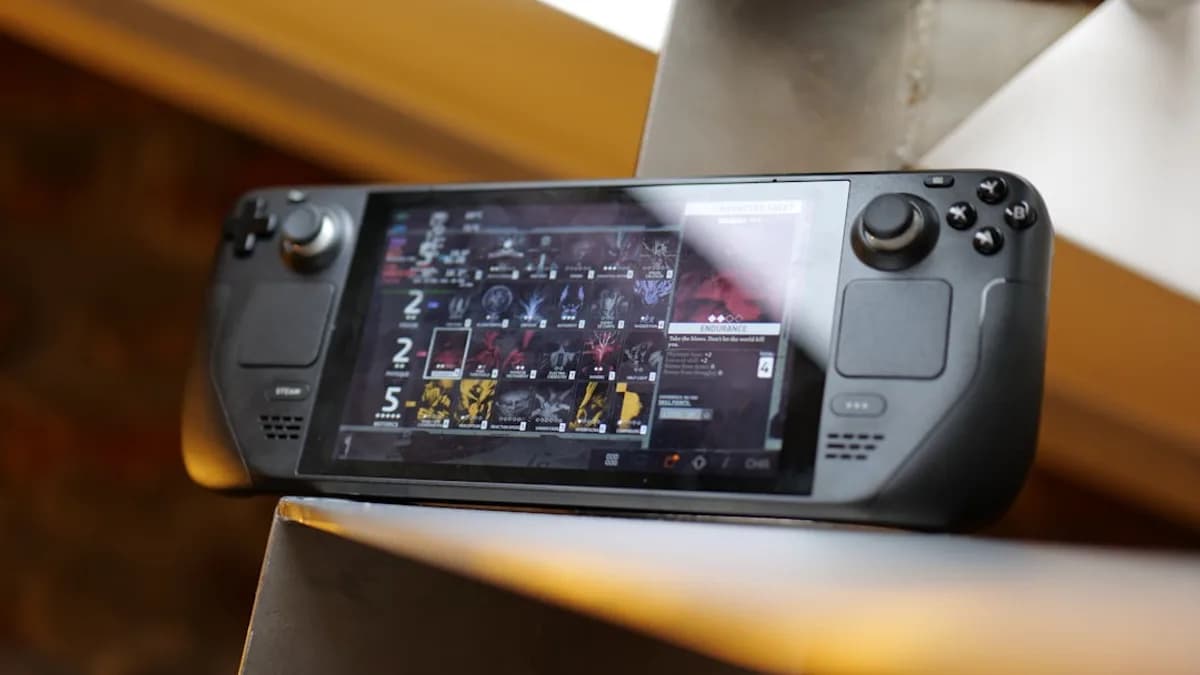
Despite the Steam Deck’s rapid sales and the renaissance of handheld gaming, public play still triggers embarrassment and self-consciousness for many. A viral Reddit post about an awkward train incident—where a user’s Steam Deck malfunctioned and drew the attention (and ridicule) of fellow passengers—underscores how little has changed socially, even as the hardware has evolved. The real issue isn’t just technical glitches; it’s the persistent social stigma attached to visible, “serious” gaming in public. This discomfort is holding back the Steam Deck and its rivals from becoming the ubiquitous, socially acceptable devices their manufacturers envision. The technology is ready for the mainstream; society is not, according to Notebookcheck.
Until the social awkwardness fades, portable gaming’s potential as a shared, public activity will remain untapped. That’s a failure of culture, not hardware. And it’s costing both players and the industry.
How Social Stigma and Mockery Undermine Public Gaming Confidence
Mockery and judgment remain the default reaction when someone whips out a Steam Deck on the subway. The Redditor’s story—where a bug forced them to reboot loudly and drew smirks from nearby commuters—isn’t an outlier. In 2023, a YouGov survey found that 41% of adults still view video gaming as “childish” when done by anyone over 25. This bias infects public spaces: playing Candy Crush on your phone is fine, but the moment you pull out a “real” gaming device, you risk being pegged as immature or out-of-touch.
Negative social feedback is a powerful deterrent. Psychologists have shown that public embarrassment activates the same stress pathways as physical pain. For gamers, the risk is not just personal discomfort but public shaming—snide remarks, sideways glances, or outright heckling. That’s enough to make many think twice before enjoying a session of Baldur’s Gate 3 on their commute.
These reactions don’t just bruise egos; they restrict behavior. When public gaming is met with open derision or suspicion, players keep their devices stashed away, and the market for handhelds remains artificially narrow. The result: a multi-billion dollar industry built on private enjoyment, not public connection.
Technical Glitches Amplify Public Gaming Anxiety and Embarrassment
Hardware hiccups in private are annoying. On a crowded train, they’re mortifying. The Reddit user’s Steam Deck crashed mid-game, forcing a clunky reboot and drawing attention from everyone within earshot. In public, every error message or system beep feels amplified—a bug isn’t just a personal inconvenience, it’s a spotlight that marks you as “that gamer.”
Reliability is non-negotiable for devices meant to be used on the go. If the Steam Deck or ASUS ROG Ally can’t guarantee smooth waking from sleep or quick recovery from crashes, users will hesitate to risk humiliation. According to Valve’s own support forums, common Steam Deck issues include audio bugs, screen freezes, and slow boot times—each a potential trigger for public awkwardness.
Manufacturers can’t afford to treat public reliability as a secondary concern. Features like silent restarts, discreet notification modes, and better crash recovery should be as much a marketing point as processing power or frame rates. Until these devices work as reliably as a smartphone in unpredictable, noisy environments, public gaming will remain a risky proposition for anyone who values their dignity.
The Real Fear: Theft and Security Concerns Limit Public Gaming Appeal
For many, the biggest barrier to gaming openly isn’t mockery—it’s the fear of losing a $400+ device to theft. The Steam Deck’s high resale value and distinctive look make it a magnet for opportunistic thieves. In London, the British Transport Police reported a 27% rise in handheld electronics theft on public transit in 2023, with gaming devices increasingly targeted.
Unlike phones, which are often insured and easily locked, most handheld consoles lack robust anti-theft features. No remote wipe, no device tracking, no “find my Deck” equivalent. That means the risk is all on the user—and the anxiety is real. Players report hiding their devices under jackets, glancing nervously at exits, or simply leaving their Deck at home rather than risk a snatch-and-grab.
Security isn’t just a personal problem; it’s a market constraint. Until manufacturers offer better protection—biometric locks, GPS recovery, device bricking—public gaming will be seen as reckless rather than routine. Raising public awareness about device safety and advocating for insurance options could help, but hardware makers need to meet users halfway.
Acknowledging the Other Side: Why Some Gamers Embrace Public Play Despite Challenges
Not everyone is cowed by sideways glances or theft risk. For a vocal minority, public gaming is a statement—a way to assert that serious play belongs in public life. Some gamers actively seek out local meetups, game on park benches, or organize “handheld flash mobs” in city centers. Events like the New York Nintendo Switch Meetup and viral TikToks of subway Smash Bros. battles show that, for some, the joy of gaming outweighs any embarrassment.
These visible gamers are changing the narrative, encouraging others to bring their hobby out of the shadows. As the hardware becomes sleeker and more mainstream, and as more public spaces embrace gaming (see: esports bars, gaming lounges at airports), the stigma will erode. But the tipping point hasn’t arrived—yet.
Encouraging a Cultural Shift: How to Make Public Gaming Comfortable and Accepted
Turning public gaming from a punchline into a norm will take more than better hardware. Gamers need to back each other up—whether that means calling out mockery, organizing public play sessions, or sharing positive experiences. Manufacturers have a role, too: design devices that are not just powerful but discreet, secure, and reliable in real-world conditions. And society at large needs to stop equating gaming with immaturity, recognizing it as a valid way to spend time—no different from reading, streaming, or scrolling Twitter.
The next time you see someone gaming on a train or in a park, resist the urge to judge. Instead, ask what they’re playing—or, better yet, pull out your own device. The only way to make public gaming ordinary is to make it visible and unremarkable. If the Steam Deck is the Walkman of this generation, it’s time we let people play their hearts out, wherever they damn well please.
Why It Matters
- Social stigma is preventing handheld gaming devices like the Steam Deck from reaching mainstream acceptance in public spaces.
- Negative reactions and mockery discourage gamers from using their devices openly, limiting the industry's growth and consumer confidence.
- Cultural attitudes, not technology, are the main barrier to portable gaming becoming a normalized, shared activity.