Why Scuf Omega Challenges Sony’s DualSense Edge in the PS5 Controller Market
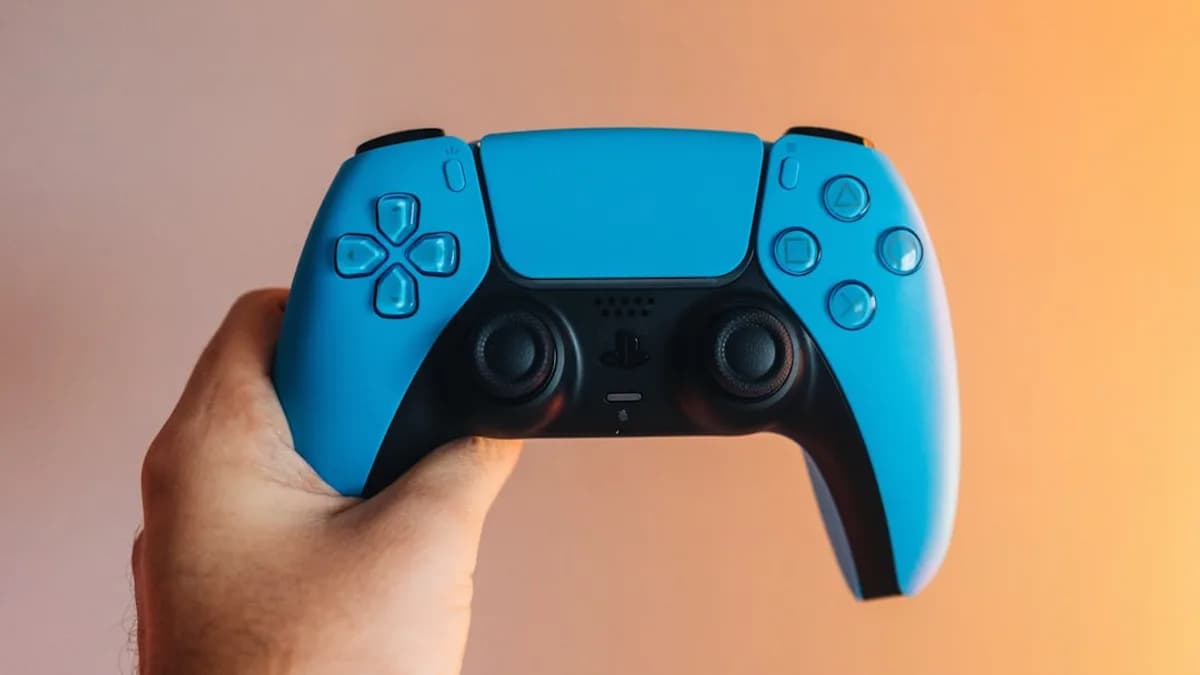
Scuf Gaming’s Omega isn’t just another aftermarket accessory—it’s officially licensed for PS5 and priced just above Sony’s own DualSense Edge, signaling Sony’s willingness to open its ecosystem to third-party contenders with premium ambitions. This marks a notable shift: for years, Sony’s own controllers set the standard for what was possible and permissible on PlayStation hardware. Now, Scuf Omega arrives with a clear target—gamers who want more customization, more buttons, and more control than the stock experience allows, and who are willing to pay for it.
The Omega’s official badge means it’s not a hack or a mod; Sony has given its blessing, which matters for trust and compatibility. For players who care about performance tweaks and custom ergonomics, the Scuf Omega’s debut could reshape what “top-tier” means in the PS5 controller segment. This move is especially significant as it comes at a time when the appetite for customizable, high-performance accessories is growing among competitive and enthusiast gamers, according to Notebookcheck.
Breaking Down the Scuf Omega’s Features and Customization Options Compared to DualSense Edge
The Scuf Omega distinguishes itself with a broader focus on customization. Official details highlight a wealth of programmable buttons and support for multiple platforms, including PS5, PC, Mac, iOS, and Android—functionality that the DualSense Edge doesn’t natively match. The Omega’s claim to fame is putting “lots of customizable buttons” into players’ hands, which is a direct play for competitive gamers and anyone who wants to tune their controller beyond Sony’s default configurations.
Ergonomically, Scuf has always emphasized grip and button placement tailored to fast, repeated competitive inputs. While the source does not break down the specifics of button count or technical features, it’s clear that Scuf is betting on the appeal of having more control within thumb’s reach—something Sony’s DualSense Edge only partially addresses with its rear paddles and swappable components.
Cross-platform compatibility is another key differentiator. Scuf Omega’s ability to pair with not just the PS5, but PCs and mobile devices as well, sets it apart from Sony’s more tightly controlled hardware. For streamers, tournament players, or anyone bouncing between platforms, that flexibility could justify the Omega’s premium price.
Pricing and Market Position: Is Scuf Omega Offering Better Value Than DualSense Edge?
Scuf Omega’s price point is “slightly more than” the DualSense Edge, according to the official announcement. For buyers, the calculus will be straightforward: does the added customization and broader compatibility justify the extra cost?
MLXIO analysis: In a segment where price signals prestige and feature depth, Scuf’s strategy is clear. The Omega isn’t trying to undercut Sony—it’s making the case that the extra features and support for multiple platforms are worth the premium. For competitive players who see their controller as mission-critical gear, the value proposition hinges less on dollars and more on performance and flexibility. But for mainstream buyers, Sony’s controller may remain the default unless Scuf’s differentiators prove essential in real-world play.
Historical Evolution of PlayStation Controllers and the Rise of Third-Party Alternatives
Sony’s first-party controllers have evolved from the original DualShock to the current DualSense Edge, each generation layering in features like haptic feedback, adaptive triggers, and wireless connectivity. Historically, third-party alternatives struggled for legitimacy, often relegated to budget bins or niche modding communities. Official licensing agreements were rare, and Sony typically guarded its hardware standards closely.
Scuf’s Omega, with its official PS5 license, marks a turning point. Sony’s willingness to certify a premium third-party controller signals a new openness to collaboration—and a recognition that some players want more than Sony itself is willing to build. For Scuf, it’s validation after years operating just outside the core PlayStation experience.
Stakeholder Perspectives: Gamers, Developers, and Sony’s Strategy on Controller Licensing
For competitive gamers, more buttons and customization equal more options for macros, quick actions, and unique control schemes. Scuf’s focus on flexibility will appeal to this group, especially those who split time between platforms. Developers, meanwhile, benefit from a consistent input standard, but the rise of officially licensed third-party hardware means they may need to consider a broader range of features and button layouts in their game designs.
For Sony, this is a strategic play: by licensing, not blocking, controllers like the Omega, Sony expands the PS5 accessory universe without diluting its own brand. It’s a calculated way to address high-end demand while letting specialized partners shoulder the risk of innovation.
What the Scuf Omega Means for Competitive Gaming and the Future of PS5 Accessories
The Omega’s arrival could nudge the competitive scene toward even more granular customization. If the controller’s additional buttons and platform flexibility deliver real advantages, expect pro gamers and streamers to make the switch—and for brands to start touting Omega support in their tournaments or streams.
It also raises the bar for what future PS5 accessories must deliver. If Scuf’s model succeeds, other manufacturers will push for official licenses, and Sony may find itself navigating a more open, more fragmented hardware marketplace. At a minimum, the days when Sony’s own controllers were the only “serious” option for high-stakes play are over.
Predicting the Future: Will Scuf Omega Redefine the Premium Controller Landscape on PS5?
What happens next depends on user adoption and the real-world impact of Omega’s features. If competitive gamers embrace Scuf’s extra customization and cross-platform capabilities, expect Sony to either double down on its own premium line or license more third-party innovation. If the Omega’s price premium proves too steep for mainstream adoption, Sony’s DualSense Edge will remain the “good enough” standard for most.
What remains unclear: the exact technical details of Omega’s features and how they perform under tournament conditions. As reviews and competitive feedback roll in, watch for hard data on reliability, latency, and user experience. The next signal will be whether other third-party brands follow—and whether Sony’s licensing door remains as open as it is today.
The Bottom Line
- Scuf Omega brings increased customization and expanded compatibility to PS5 gamers.
- Sony's official licensing of a third-party premium controller marks a shift in its ecosystem openness.
- Competitive and enthusiast gamers now have a credible, officially supported alternative to Sony’s flagship controller.