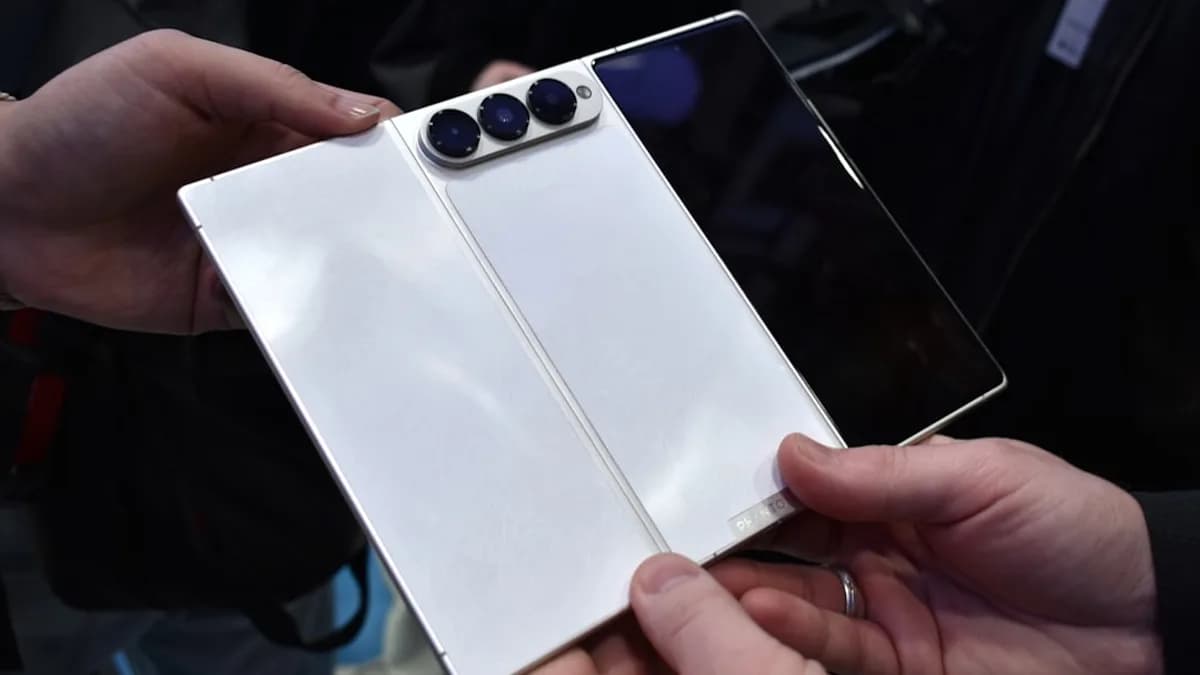
Samsung’s 2026 Foldable Leak Reveals ‘Wide’ Galaxy Z Fold 8 Rivaling Apple’s iPhone Ultra
Samsung just tipped its hand on the next foldable-phone arms race. An accidental firmware reveal in One UI 9 exposed a new “Wide” variant of the Galaxy Z Fold 8, built to go head-to-head with Apple’s rumored iPhone Ultra foldable—both expected to land in 2026. Evidence from the firmware points to a wider form factor, dual rear cameras with a 200MP sensor, and a display that finally ditches the central crease, according to Notebookcheck.
Samsung isn’t just iterating—it’s firing a shot across Cupertino’s bow. The “Wide” Fold 8 aims to address two persistent criticisms dogging foldables: awkward aspect ratios and the visible crease that makes even $1,500 devices feel unfinished. The inclusion of a 200MP camera signals that Samsung wants foldable photography to match, or even surpass, slab-flagship standards.
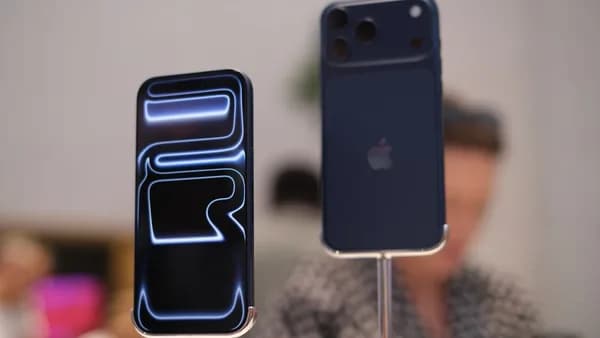
Internal codenames and device configuration files in the leak confirm Samsung is preparing to challenge Apple at launch, not play catch-up. With Apple’s own foldable iPhone Ultra rumored to target the high end with a crease-less panel and pro-grade camera, Samsung’s leak reads as an escalation in design, specs, and ambition.
Samsung has led global foldable shipments since 2020, but Chinese brands like Huawei and Honor have closed the gap, especially in the “crease-free” display department. The leaked Fold 8 “Wide” signals Samsung’s answer—and its intent to dominate the 2026 cycle with both hardware and user experience.
How Samsung’s ‘Wide’ Foldable Could Disrupt the Foldable Smartphone Market
A wider design isn’t just cosmetic. Current foldables like the Z Fold 5 have been criticized for their narrow cover screens, which make one-handed use awkward and multitasking less seamless. Samsung’s “Wide” Fold 8 could finally deliver a form factor that feels like a premium slab phone when closed, while opening up to a mini-tablet—solving a pain point that’s held back mass adoption.
The crease has been the Achilles’ heel of every foldable to date. Samsung’s rumored “zero-crease” display would leapfrog its own Ultra Thin Glass tech and match innovations from rivals like Oppo’s Find N2, which already minimized the crease but never erased it. If Samsung nails this, it could shift consumer perception, moving foldables from tech curiosity to mainstream status.
A 200MP dual camera system is a direct shot at Apple’s imaging prowess. Current foldables lag behind Galaxy S Ultra and iPhone Pro Max models in camera hardware. By bringing a flagship-grade sensor to the Fold 8 “Wide,” Samsung could erase another compromise, making the device not just flexible but formidable for content creators and power users. For context, the Galaxy S23 Ultra’s 200MP sensor set new benchmarks for mobile zoom and detail in 2023; bringing that to a foldable would reset market expectations.
The timing is no accident. Apple’s iPhone Ultra foldable is expected to debut with similar ambitions: a crease-less display, top-tier cameras, and a wider chassis. Samsung’s leak means consumers may see two radically improved foldables hit the market within months of each other, triggering a high-end spec war that could finally push the segment past 20 million annual units shipped—a milestone analysts have pegged for years, but no brand has yet realized.
What to Expect Next: Samsung and Apple’s Foldable Battles Heating Up in 2026
Expect official reveals from Samsung as early as Q1 2026, likely timed to preempt Apple’s own foldable iPhone Ultra announcement. If past patterns hold, Samsung will tease hardware at Unpacked events and try to lock in early adopters with trade-in deals and aggressive carrier partnerships.
Apple, true to form, is keeping its cards close. Supply-chain chatter points to a 2026 launch for the iPhone Ultra foldable, but so far no firm specs have leaked. What’s clear: both giants view the next product cycle as a battleground for premium users and a shot at resetting the smartphone growth story.
Investors and analysts should watch three variables: pricing (can either company keep the “Wide” foldable under $1,800?), production yields for the crease-less display tech, and initial consumer reviews. Early failures with display creasing or camera compromises could hand the advantage—and mindshare—back to rivals like Honor or Xiaomi.
With two heavyweights preparing to slug it out, the next 18 months will decide if foldables finally break out of their niche—or remain a showcase for brand bragging rights. The race is on, and the stakes are higher than ever.
The Stakes
- Samsung's leak signals an escalating rivalry with Apple in the premium foldable market.
- A wider design and advanced camera aim to solve usability and quality concerns for foldables.
- The competition could spur innovation and better options for consumers in 2026.