Why Samsung’s Decision to Skip a 200MP Camera on the Galaxy Z Fold Wide Raises Eyebrows
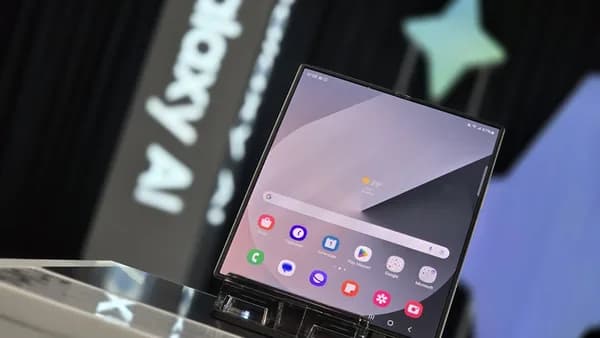
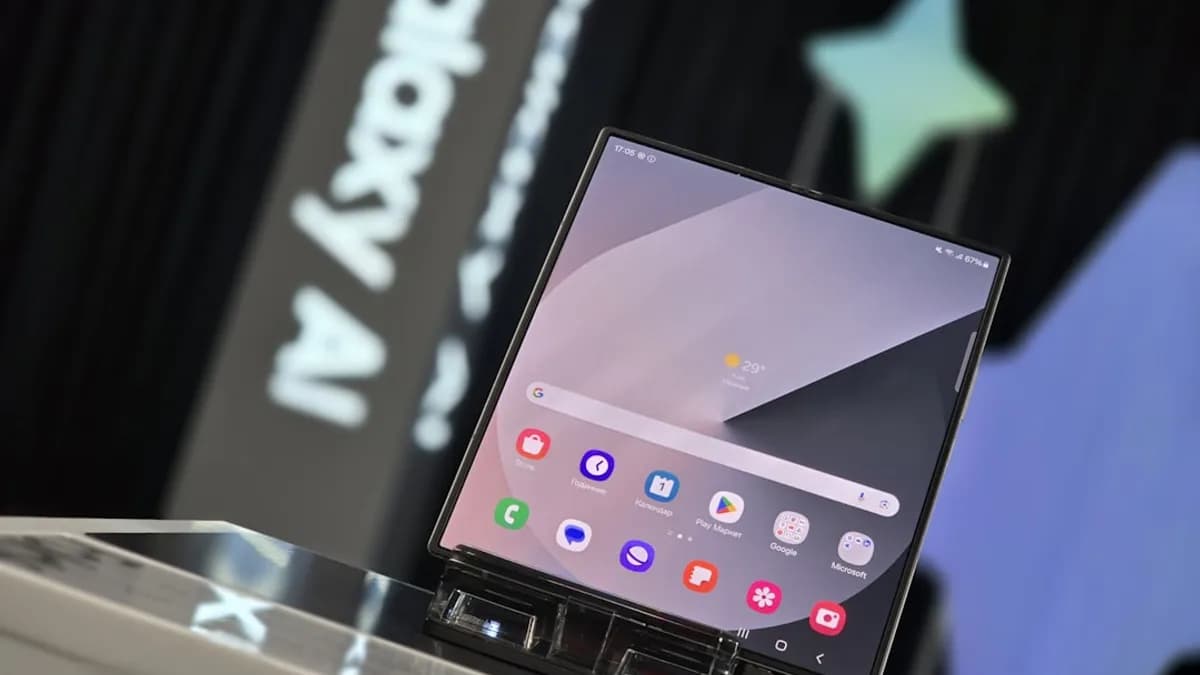
Samsung’s next foldable, the Galaxy Z Fold Wide, is skipping the 200MP main camera found on the regular Z Fold for a 50MP f/1.8 sensor—a move that instantly signals a step down in flagship hardware, at least on paper. In a segment where camera specs are the marketing sledgehammer, this choice stands out. Consumers primed to expect the latest sensor tech in a premium foldable may question whether the Z Fold Wide is really a flagship, or something else entirely.
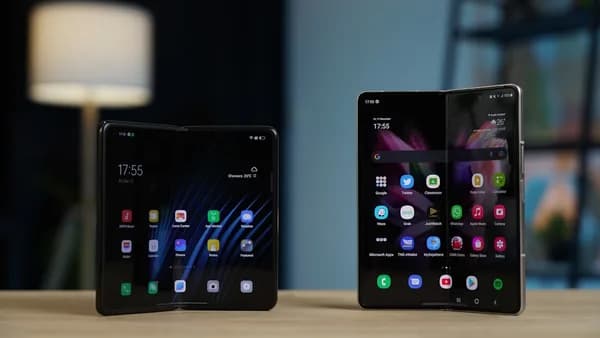
The decision, first reported by GalaxyClub and SamMobile and summarized by Gsmarena, points to a device that splits the difference between Samsung’s Flip and Fold lines. But in the camera department, the Z Fold Wide leans closer to the Flip, which typically comes with more modest imaging hardware. For Samsung, this is likely a deliberate move to create a new product tier—not just a cheaper Fold, but a device with a different balance of priorities.
Comparing Camera Hardware: Galaxy Z Fold Wide Versus Z Fold and Z Flip Models
The Galaxy Z Fold Wide’s rumored 50MP f/1.8 main camera stands in stark contrast to the 200MP sensor on the standard Z Fold. That’s a significant downgrade in sensor resolution, moving the Wide firmly out of “ultra-premium” camera territory. The Z Fold Wide’s sensor choice aligns it with the Z Flip’s more modest camera hardware, which has historically prioritized compactness over photographic firepower.
While the Z Fold’s 200MP camera is designed to capture more detail and offer advanced features, the Wide’s 50MP sensor suggests a focus on size, cost, or battery life rather than outright camera performance. The early reports make it clear: if you want the best camera in a Samsung foldable, you’ll still need to reach for the regular Z Fold.
Data-Driven Insights: What Camera Specs Tell Us About Samsung’s Foldable Market Positioning
Camera resolution remains a key differentiator in Samsung’s foldable lineup. The Z Fold Wide’s 50MP sensor is a direct shift away from the 200MP main camera on the “regular Z Fold.” While the source doesn’t provide sales data or explicit market segmentation figures, the hardware gap is a strong signal of Samsung’s intent to build clear verticals within its foldable offerings.
By keeping the Wide’s camera closer to the Flip, Samsung is not just splitting the difference in form factor—it’s making a hardware compromise that is easy for consumers to spot. In the absence of 200MP marketing bragging rights, the Z Fold Wide positions itself as a device for users who want a wide aspect ratio without needing the very best camera. That’s a subtle but important distinction, and could let Samsung address a slice of the market that values portability or price over camera specs.
Diverse Stakeholder Perspectives on Samsung’s Camera Choices for the Galaxy Z Fold Wide
Consumer reaction to this rumor is likely to be mixed. Power users and mobile photographers drawn to Samsung’s highest-end foldables may see the Z Fold Wide as a step back. For these buyers, the camera spec sheet is a dealbreaker. For others, especially those prioritizing the new form factor or a more affordable entry point, the 50MP camera may be enough.
Industry analysts will watch closely to see if this move creates a new mid-tier for Samsung foldables or risks diluting the Fold brand’s premium status. The decision also sets a clear technical boundary for competitors to target—any new device that matches the Z Fold Wide’s form factor but beats its camera hardware will have an obvious marketing angle.
Tracing the Evolution of Samsung’s Foldable Cameras: From Early Models to the Galaxy Z Fold Wide
Samsung’s foldable cameras have moved from afterthought to headline feature over just a few hardware generations. Early Fold and Flip models compromised heavily on camera hardware to squeeze into their unique form factors. The regular Z Fold’s jump to a 200MP main sensor marked a sharp turn toward parity with slab-flagships, signaling that foldables could compete on every front.
The Z Fold Wide’s rumored 50MP sensor is a partial return to the earlier compromise—this time, not because of technical limitations, but as a calculated design choice. The focus appears to be on delivering a “wide” device that’s not just a mini Fold, but a distinct product with its own priorities.
What Samsung’s Camera Decisions Mean for Foldable Smartphone Buyers and the Industry at Large
For buyers, the Z Fold Wide’s camera choice draws a clear line: those who want the absolute best camera will still have to go full Fold. Users more interested in design, portability, or price get a new option, but with explicit hardware trade-offs. This segmentation could help Samsung broaden its foldable addressable market—without cannibalizing its flagship.
From an industry perspective, the Z Fold Wide establishes a template for how manufacturers might diversify foldables without simply shrinking or stretching their top model. It’s a sign that the era of “one size fits all” for foldable hardware is ending, with product differentiation now as much about what’s left out as what’s packed in.
Predicting the Future: How Samsung’s Camera Strategy Could Shape Upcoming Foldable Innovations
Much remains unclear. Will the Z Fold Wide’s form factor and price point justify its camera compromise in the eyes of buyers? Will rivals respond with wide-format foldables that don’t skimp on imaging hardware? And will Samsung’s choice to step back on one spec signal a broader move toward specialization in foldables, or just a one-off experiment?
The next cycle of foldables will reveal whether Samsung’s bet pays off. If the Z Fold Wide draws new users without eroding the appeal of the regular Z Fold, expect to see more devices that carve out their own niche with deliberate trade-offs. If not, the market may quickly return to a spec-war arms race—wide or not.
Why It Matters
- Samsung's choice signals a new mid-tier approach within its foldable lineup, impacting consumer expectations.
- Camera specs remain a key differentiator in premium smartphones, and this move could affect the Z Fold Wide's perceived value.
- The decision may influence buying decisions for users prioritizing photography in high-end foldables.