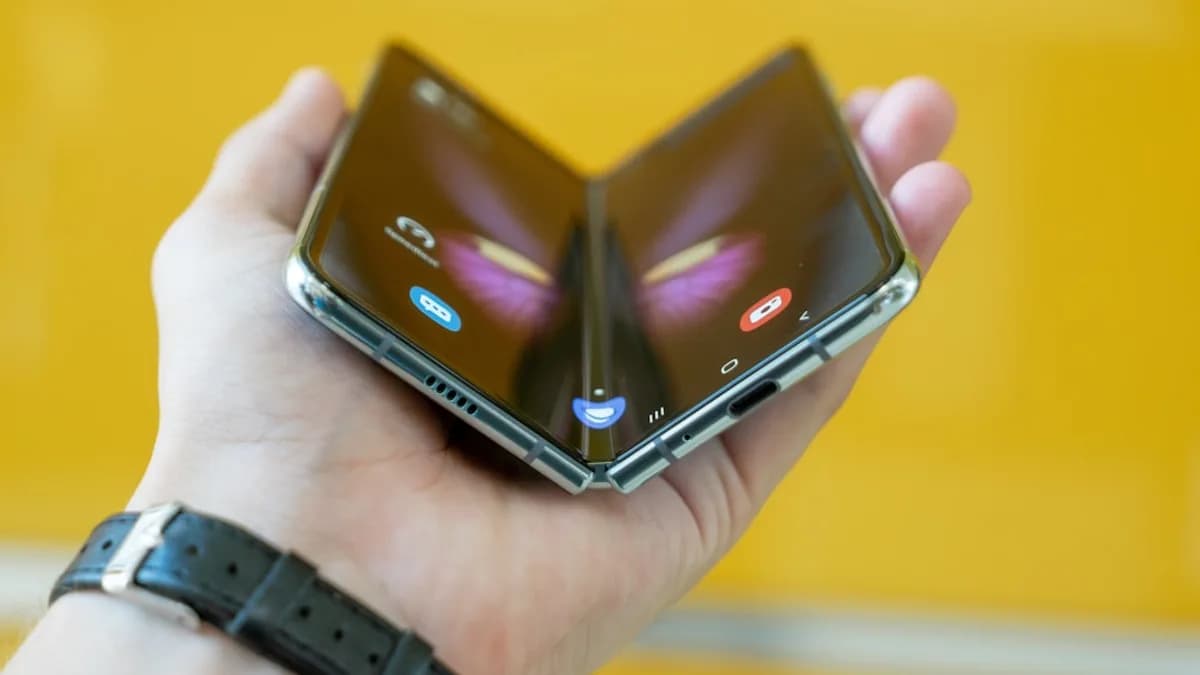
Why Samsung’s Quest for a Crease-Free Foldable Display Could Redefine Smartphone Durability
A foldable phone without a visible crease isn’t just cosmetic—it’s a shot at fixing the Achilles’ heel of the category. For years, buyers tolerated the wrinkled line bisecting their screens, accepting it as the price of innovation. But every crease brings micro stress fractures and weak points, which compound with daily use. Samsung’s plan to roll out a crease-free Galaxy Z Flip8, as reported by Gsmarena, signals a push to solve not just aesthetics, but the structural integrity of foldables.
The challenge is steep. The current Ultra Thin Glass (UTG) layer, introduced in the Z Flip3, was an improvement—but still prone to bending fatigue and visible warping after a few months. Early adopters reported creases worsening to the point where touch sensitivity was compromised. Samsung’s rumored dual-layer UTG approach for the Z Flip8 aims to distribute pressure across two stacked sheets, potentially reducing localized stress and improving resistance to deformation.
If Samsung nails this, the impact isn’t subtle. User trust in foldable longevity could surge, turning a niche curiosity into a mainstream staple. Fewer creases mean fewer warranty claims, longer device lifespans, and less skepticism from buyers burned by previous generations. In a market where durability is often the deciding factor, a true crease-free foldable would be a tipping point.
Dissecting Samsung’s New Hinge Mechanism: Engineering Innovations Behind the Galaxy Z Flip8
Hinge design is the unsung hero—or villain—of every foldable phone. It’s the part most likely to fail, and the one consumers rarely understand until it breaks. Samsung’s promise of a new hinge for the Z Flip8 isn’t just a tweak; it’s an engineering pivot.
Past iterations, especially the original Z Flip and Z Fold, struggled with dust ingress and mechanical fatigue. Their complex multi-part hinges allowed dust to slip in, grinding away at the mechanism and leading to irreparable damage. Samsung’s “Hideaway Hinge” (introduced in the Z Flip2) mitigated some of this by using nylon fibers to repel particles, but even that solution had limits.
The industry’s best hinges now incorporate water resistance (like the Z Flip5’s IPX8 rating), but dust remains a stubborn foe. The Z Flip8’s rumored new hinge could bring tighter tolerances, improved sealing, and reduced part count—each step reducing friction, wear, and ingress points. It might also allow for a taller aspect ratio, as leaks suggest, opening the door for more usable screen real estate without compromising fold quality.
If Samsung achieves a hinge that withstands 200,000 folds (the current benchmark), and keeps both water and dust out, the Z Flip8 could set a new durability standard. That would force rivals to re-engineer their own hardware, raising the bar for the entire segment.
Crunching the Numbers: What Samsung’s Design Changes Mean for Foldable Phone Market Growth
Foldable phone sales are climbing, but they haven’t cracked the mass market yet. Samsung leads, holding 63% of the global foldable market in 2023, according to Counterpoint Research. The company shipped over 12 million foldables last year, up from 10 million in 2022—a modest growth compared to slab smartphones, but a sign of momentum.
Crease-free displays and improved hinges aren’t just technical upgrades; they’re sales drivers. Surveys show that durability concerns are the top barrier for foldable adoption, cited by 48% of potential buyers in a 2023 Ipsos poll. If Samsung’s Z Flip8 addresses these issues, conversion rates among fence-sitters could spike.
But there’s a cost. Dual-layer UTG isn’t cheap—current single-layer UTG costs Samsung roughly $50 per panel, while dual-layer could push that to $80 or more. This threatens to offset savings from manufacturing scale, potentially raising retail prices above the Z Flip5’s $999 launch tag. Whether consumers accept higher prices for better durability will determine if foldables stay niche or go mainstream.
In short: the Z Flip8’s design choices are a bet that more reliable hardware will unlock pent-up demand, even if it means a price hike.
Stakeholder Perspectives: What Consumers, Competitors, and Industry Experts Say About Galaxy Z Flip8 Innovations
Consumers want foldables that work as hard as their slabs. Feedback from Z Flip and Z Fold users centers on two pain points: screen creasing and hinge breakdown. The average foldable buyer expects their device to last at least two years—yet 21% of Z Flip3 owners reported noticeable creasing within the first year, according to a 2023 Reddit survey. The Z Flip8’s promise of a crease-free screen directly targets these frustrations.
Competitors aren’t standing still. Oppo’s Find N2 Flip uses a “waterdrop” hinge to minimize crease visibility, while Huawei’s Mate X2 employs a dual-axis mechanism for smoother folding. Neither has solved the problem entirely, but both show that Samsung can’t afford complacency.
Industry experts are cautiously optimistic. Display analyst Ross Young argues that Samsung’s dual-layer UTG approach is “the most promising avenue yet” for reducing creases, but warns that added thickness could affect touch responsiveness. Mechanical engineers note that every new hinge brings unforeseen failure modes; iterative testing, not marketing, will decide if Samsung’s claims hold up.
Bottom line: consumers want durability, competitors are closing the gap, and experts see potential—but only rigorous stress testing will reveal if the Z Flip8 delivers.
Tracing the Evolution: How Samsung’s Foldable Technology Has Progressed From the Original Z Flip to the Z Flip8
Samsung’s foldable journey is a story of incremental fixes and hard lessons. The original Z Flip, launched in 2020, was a marvel—but its single-layer UTG and exposed hinge spelled trouble. Users reported deep creases after just six months, and dust ingress crippled more than a few units.
The Z Flip2 brought the Hideaway Hinge and slightly improved glass, but creasing persisted. Z Flip3 and Z Flip4 refined the formula, offering better water resistance and tougher glass, but neither solved the central durability puzzle. The Z Flip5 pushed the envelope with a larger cover screen and tighter hinge, earning an IPX8 rating, but again, visible creasing remained.
Samsung’s iterative approach—solving one problem per generation—has built a loyal user base, but also set expectations high for the Z Flip8. If this model finally delivers a crease-free display and a tougher hinge, it will be the result of eight cycles of engineering feedback and consumer complaints. Every fix reflects a failure: the Flip8’s rumored advances are shaped by what broke before.
The lesson: real innovation in foldables comes from public failures and relentless re-design, not one-off breakthroughs.
What Samsung’s Foldable Breakthroughs Mean for Smartphone Users and the Broader Mobile Industry
Crease-free displays and new hinges aren’t just hardware wins—they could reshape the way people use their phones. A flawless folding screen removes the tactile and visual distractions that make some users revert to slabs. It opens possibilities for new app interfaces, like full-screen video chat or creative tools that use the entire unfolded canvas without distortion.
Accessory markets will shift. Case makers will need to design around tighter tolerances and new hinge shapes. Repair services could see fewer screen replacements but more hinge maintenance, as improved durability changes the failure profile.
For the industry, Samsung’s advances raise competitive pressure. Apple, so far absent from foldables, has patents for folding screens but hasn’t launched a device. If the Z Flip8 sets a new quality bar, it could force Apple and others to accelerate plans. At the same time, smaller brands may struggle to match Samsung’s material science—potentially consolidating market share among the top players.
Innovation will accelerate. A successful crease-free foldable would establish a new baseline, forcing rivals to innovate or risk irrelevance.
Looking Ahead: Predicting the Future of Foldable Smartphones Beyond the Galaxy Z Flip8
The Z Flip8’s rumored breakthroughs are likely just the start. If Samsung pulls off a truly crease-free display and a hinge that shrugs off dust and wear, expect a cascade of follow-on innovations. Next steps could include flexible batteries, even thinner glass layers, and foldables with three or more folding axes.
Rivals will copy and iterate. Oppo, Huawei, and Xiaomi have shown they can match Samsung’s hardware within a year or two, often at lower prices. The challenge will be for Samsung to keep its lead by refining manufacturing, driving down costs, and expanding form factors.
But challenges loom. Higher prices could limit adoption, especially if durability improvements don’t translate to longer device lifespans. Regulatory pressure may mount around repairability and environmental impact, as foldables use more complex materials and mechanisms. And consumer fatigue is a real risk—if upgrades feel incremental rather than transformative, buyers may wait for the next leap.
Prediction: By 2027, foldables will command a 15-20% share of the premium market, with Samsung and one Chinese rival leading. Crease-free screens and robust hinges will become table stakes. The companies that win will be those that solve not just hardware, but cost, repair, and user experience at scale.
Impact Analysis
- A crease-free display could dramatically improve foldable phone durability and user trust.
- Samsung’s new hinge and dual-layer UTG may reduce warranty claims and device failures.
- This innovation could move foldables from niche products to mainstream smartphone choices.