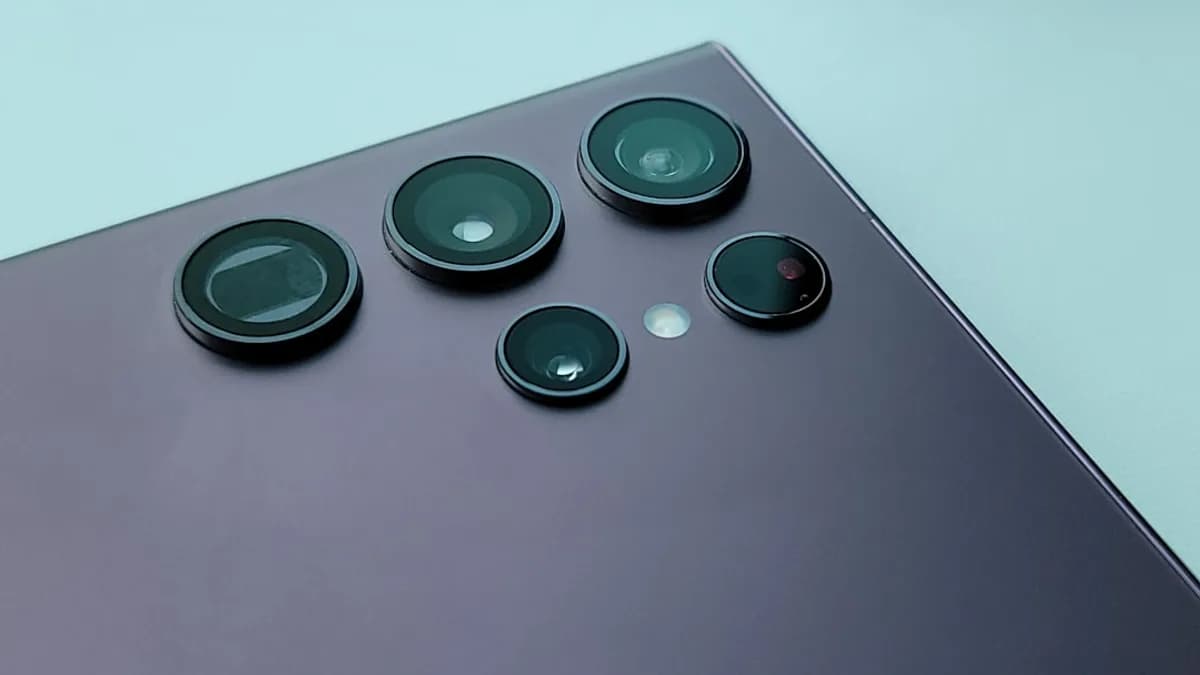
Samsung Galaxy S27 Ultra to Feature 200MP Camera With Variable Aperture—And a Direct Shot at Apple
Samsung’s next flagship, the Galaxy S27 Ultra, will reportedly pack a 200MP main camera with a near 1-inch (1/1.2") sensor, variable aperture, and LOFIC image correction—matching Apple’s rumored iPhone 18 Pro camera leap. If confirmed, this would be the first time since 2019 that a mainstream Galaxy phone returns to mechanical lens adjustments, a move aimed at reclaiming low-light and dynamic range dominance from Apple and Google. The leaks surfaced this week, with Notebookcheck reporting the S27 Ultra will directly mimic Apple’s forthcoming hardware approach.
Variable aperture tech, last seen in Samsung’s S9 and Huawei’s P30 Pro, physically widens or narrows the lens—letting sensors capture more light in the dark and sharpen details in bright scenes. The rumored 200MP sensor dwarfs the S24 Ultra’s 1/1.3" sensor, promising bigger pixels and a wider dynamic range. Samsung’s addition of LOFIC (Low-Frequency Image Correction) marks a new play: it suppresses sensor noise before digital processing, potentially allowing for cleaner night shots and less aggressive post-processing artifacts.
Sources say the S27 Ultra is on track for a Q1 2026 launch, but these specs haven’t been confirmed by Samsung. Supply chain leaks hint that component orders for mechanical apertures and larger sensors are already in motion. If the upgrade holds, the S27 Ultra would leapfrog the iPhone’s 48MP sensor in sheer resolution and match Apple’s rumored variable aperture for its iPhone 18 Pro.
Samsung’s Camera Upgrade Targets Apple’s Mechanical Lens Comeback
If Samsung actually ships a 200MP variable aperture camera, it would signal a sharp pivot. Apple’s iPhone 18 Pro is expected to debut mechanical lens adjustments—after years of relying on digital tricks to boost photo quality. Samsung’s rumored move is a direct response, aiming to neutralize Apple’s biggest camera upgrade in half a decade.
Variable aperture is not a marketing gimmick: it’s a feature that shapes image physics. The Galaxy S9 and Huawei P30 Pro used variable aperture to switch between f/1.5 (bright, shallow depth for low light) and f/2.4 (sharper, deeper field for daylight). Apple’s planned implementation is rumored to be even finer, with more steps between wide and narrow. Samsung’s 1/1.2" sensor would capture more photons per pixel than Apple’s 1/1.28" sensor, at least on paper. The real-world impact? Brighter, less noisy night photos and more nuanced highlights in sunlight—key battlegrounds for mobile photographers.
Returning to mechanical lens parts carries risks: it means more moving pieces, higher costs, and potentially more repairs. But the competitive upside is clear. Google’s Pixel series leads in computational photography, but Apple and Samsung are now betting on physics—leveraging bigger sensors and real optics—rather than letting AI clean up after tiny hardware. Consumers have noticed: Statista reports that 70% of flagship phone buyers now cite camera quality as their top purchase reason, up from 54% in 2019.
Samsung’s adoption of LOFIC could widen the gap. By cleaning up noise at the sensor level, Samsung could reduce reliance on aggressive sharpening or smoothing—problems that have plagued its 200MP cameras in the past. If the S27 Ultra delivers, it may finally silence critics who say high-megapixel sensors are all marketing and no substance.
What to Watch: Samsung’s Camera Gambit Could Reshape Smartphone Photography
If Samsung delivers a 200MP variable aperture shooter with LOFIC, the S27 Ultra could reset the camera arms race. Expect rivals—especially Chinese brands like Xiaomi and Oppo—to accelerate plans for next-gen sensors and mechanical lens tech. For Samsung, an S27 Ultra camera breakthrough would raise the bar for its entire flagship lineup, including foldables and the Galaxy S series.
Developers and third-party camera apps would need to adapt quickly, as variable aperture and LOFIC require new APIs for manual controls and RAW capture. Photography enthusiasts and reviewers will scrutinize early samples for evidence of real-world gains—not just marketing bullet points.
The next major clue will likely drop at Samsung’s Unpacked event in early 2025, where prototype hardware might surface. Supply chain chatter suggests mass production of new camera modules by late 2025, lining up with a Q1 2026 launch.
For buyers, the takeaway is clear: the era of “good enough” smartphone cameras is over. Expect real optical advancements—not just AI filters—to drive the next upgrade cycle. If Samsung and Apple both embrace variable aperture and near 1-inch sensors, 2026 could see the sharpest, most versatile phone cameras yet.
The Stakes
- Samsung is directly challenging Apple's camera innovation with its new flagship hardware.
- Variable aperture and larger sensors could redefine smartphone photography, improving low-light and dynamic range.
- Consumers may see major leaps in photo quality and new camera features in upcoming premium phones.