Why GTA 6’s Marketing Strategy Could Transform Urban Advertising
Rockstar Games has started hiring billboard artists, signaling plans for GTA 6 marketing campaigns that could blanket major cities and reshape how games compete for urban attention. With GTA 6 already carrying a seismic cultural weight—its trailer smashed YouTube records, drawing over 93 million views in 24 hours—Rockstar isn’t just selling a game, it’s orchestrating a national event. The publisher’s new job listing for a production artist specializing in large-format print and online materials hints at a blitz reminiscent of blockbuster movie releases, not just game launches, according to Notebookcheck.
GTA 6’s release will be a global spectacle. The Grand Theft Auto franchise has moved more than 410 million units since its inception, and GTA 5 alone sits at over 185 million copies sold—making it one of the best-selling games in history. Rockstar has always leveraged the anticipation surrounding GTA to fuel broader pop culture conversations, but this time, it’s priming for an even bigger push. Billboard campaigns in cities like New York, London, and Los Angeles could dwarf previous efforts, transforming urban landscapes into live countdowns for GTA 6’s launch.
For advertisers and rival publishers, the stakes are clear: Rockstar is setting a new bar for immersive, citywide marketing. When a game’s release becomes impossible to ignore on the commute, in Times Square, or splashed across LA freeways, it’s not just gamers who pay attention. The ripple effect could drive up pre-orders, spark viral social media moments, and cement GTA 6 as the centerpiece of 2025’s entertainment calendar.
What Role Does a Billboard Artist Play in Rockstar’s GTA 6 Campaign?
Rockstar’s search for a production artist isn’t a routine hire—it’s strategic. The role centers on designing large-format print materials, ranging from billboards and subway wraps to posters and event signage, as well as digital assets for online campaigns. The artist’s job: create visuals that stop traffic, literally and figuratively, and amplify the game’s identity across every physical and digital touchpoint.
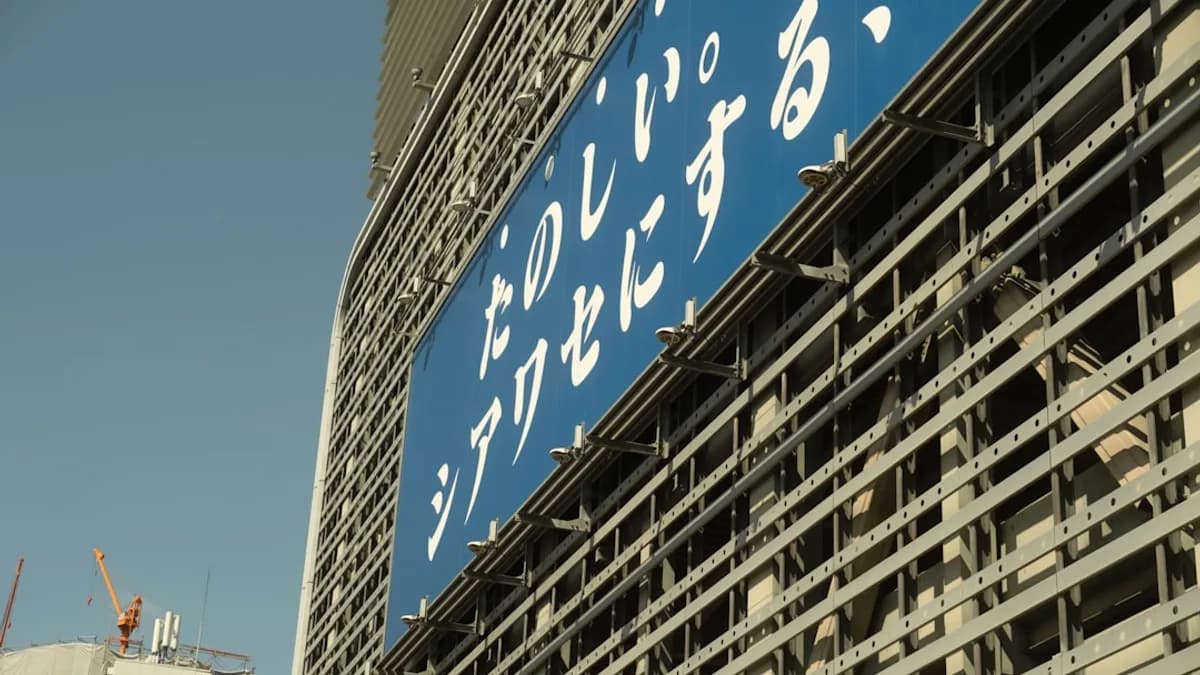
Why focus on billboards? Unlike digital ads, which are filtered and scrolled past, billboards own their space. They dominate sightlines, saturate neighborhoods, and linger in the public psyche. Rockstar wants someone who understands how to use scale, color, and imagery to turn a city block into an extension of GTA’s world. That means translating the game’s signature style—neon-soaked vice, satirical grit, and cinematic flair—into formats that can be seen from a bus, a car, or a skyscraper window.
The billboard artist’s challenge is twofold: attract seasoned gamers who recognize Rockstar’s motifs at a glance, and intrigue the broader public who might not know GTA but are drawn in by evocative visuals. Creativity here isn’t optional—it’s the difference between an ad that blends into urban noise and one that becomes a talking point. Rockstar’s push for immersive outdoor art is a calculated bet that the right visuals can fuel anticipation and keep GTA 6 in the public eye long before launch day.
How Will GTA 6’s Outdoor Advertising Influence Fan Excitement and Release Expectations?
Massive billboards and city takeovers don’t just advertise—they build myth. For fans, the sight of GTA 6 artwork plastered across a skyline signals that launch is close, and the publisher is all-in. Outdoor ads act as a rallying point, a physical marker of momentum that digital teasers can’t replicate. When Rockstar floods urban centers with GTA visuals, it generates a sense of urgency and social proof: if the game is everywhere, it must be worth the hype.
This strategy is timed to perfection. With rumors swirling about a third trailer—and anxieties lingering over possible release delays—outdoor marketing can reassure fans that Rockstar is committed to its timeline. The physical presence of ads in major cities is a statement: “We’re ready, and so should you be.” It also stokes speculation and online chatter. Fans snap photos, share them on Reddit and Twitter, and dissect hidden clues or Easter eggs embedded in billboard designs.
The impact stretches beyond gaming circles. High-profile billboards in places like Piccadilly Circus or Sunset Boulevard reach commuters, tourists, and media—feeding a sense of event status. In the last week before a big release, outdoor campaigns can drive pre-orders by 20-30%, according to industry analytics from Nielsen. Rockstar’s approach isn’t just about visibility; it’s about shaping the narrative, keeping momentum high, and making sure GTA 6 launches as a headline, not just a product.
What Can We Learn from Previous Rockstar Marketing Campaigns About GTA 6’s Approach?
Rockstar’s track record shows that outdoor marketing isn’t a gamble—it’s a proven accelerator for sales and cultural impact. When GTA 5 launched in 2013, Rockstar blanketed London with branded buses, transformed Los Angeles billboards, and wrapped Times Square’s electronic screens in neon. That campaign helped propel GTA 5 to $800 million in day-one sales and $1 billion in three days—a record at the time.
Red Dead Redemption 2 followed a similar playbook. Posters appeared in subway stations and on city buses, while social media feeds were flooded with cinematic teasers. The result: over 17 million copies sold in the first two weeks, and sustained engagement for months as the outdoor campaign dovetailed with digital content drops.
One standout case: GTA 5’s takeover of London’s Oxford Street in September 2013. Rockstar coordinated digital ads with massive mural-style billboards on flagship stores, creating a seamless visual journey for shoppers and commuters. Nielsen data from that period showed a 28% spike in UK pre-orders after the campaign launched. Fans posted selfies with the ads, coverage appeared in mainstream news, and Rockstar’s brand visibility surged.
The new job ad for GTA 6’s billboard artist suggests Rockstar is scaling up, not dialing back. It’s betting that immersive, citywide visuals can recreate—and even surpass—the buzz generated by GTA 5 and Red Dead Redemption 2. The emphasis on both online and large-format print points to an integrated approach, where every ad, mural, and digital asset feeds into a unified hype machine.
How Will Rockstar’s Marketing Team Balance Online and Physical Advertising for Maximum Impact?
The era of siloed campaigns is over. Rockstar’s approach, hiring a production artist skilled in both online and large-format print, signals a coordinated multi-channel strategy. The challenge: synchronize billboard reveals with digital teasers, influencer partnerships, and viral moments so the message hits everywhere, at once.
Physical ads build anticipation in the real world—on city streets, transit lines, and shopping districts. Online ads amplify that reach, targeting millions globally and letting fans share, dissect, and meme the visuals. Rockstar’s production artist will need to bridge the gap, ensuring that billboard art translates seamlessly to Instagram posts, YouTube thumbnails, and TikTok clips.
Expect Rockstar to experiment. QR codes embedded in billboards could unlock exclusive trailers. Augmented reality might let fans “see” GTA characters pop up beside real-world ads. Timed releases—where billboards in LA, London, and Tokyo unveil new artwork in sync—could spark waves of social engagement.
The stakes are high. Coordinating digital and physical marketing requires precision and creativity. If Rockstar gets it right, GTA 6 won’t just dominate urban spaces—it’ll be omnipresent, from subways to smartphones. For marketers and publishers, the lesson is clear: the future of game launches lies in blending the tangible impact of city takeovers with the viral velocity of digital platforms. Watch for Rockstar to push boundaries—and for rivals to scramble to keep up.
The Stakes
- Rockstar's billboard-centric marketing for GTA 6 could redefine how video games are promoted in urban environments.
- The massive sales and cultural impact of GTA 5 and the franchise raise expectations for GTA 6’s launch as a global event.
- This marketing escalation may pressure rival publishers to innovate or invest more heavily in citywide campaigns.