Why Redmi Watch 6’s Massive 2-Inch AMOLED Screen Challenges Smartwatch Norms
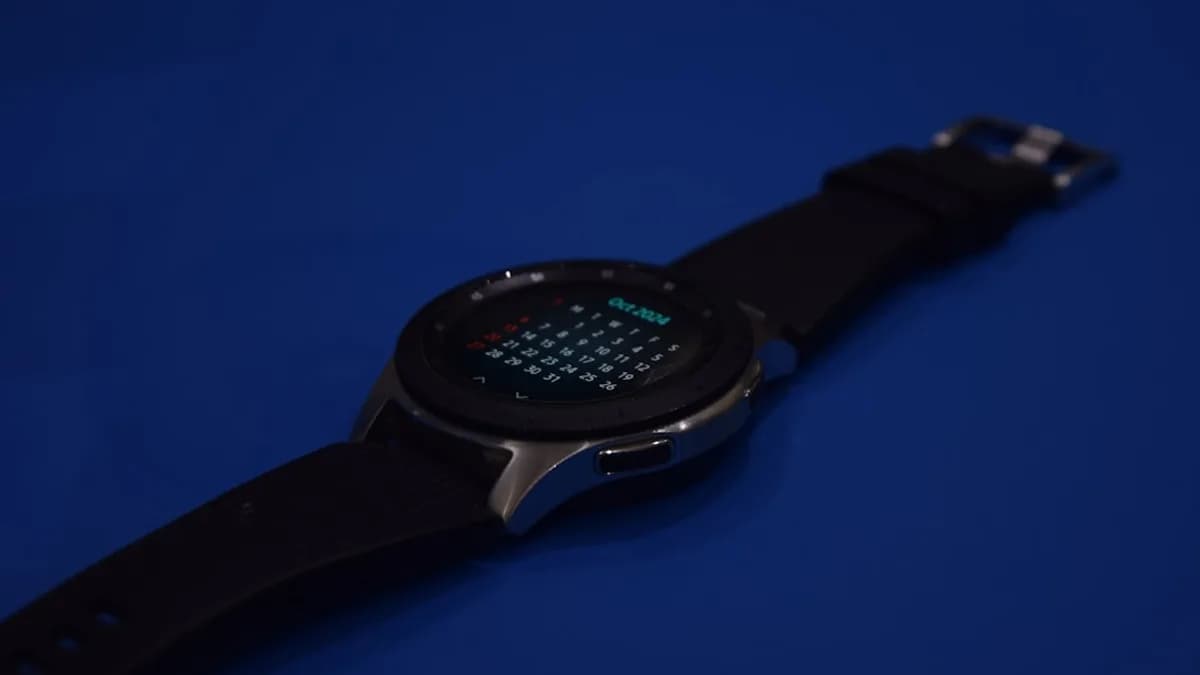
Smartwatch screens have plateaued around 1.3 to 1.7 inches for years, locked in by the dogma that “smaller is better” for wrists. Redmi’s Watch 6 shatters that ceiling with a 2.07-inch AMOLED panel—an audacious move that’s less about specs and more about redefining what a watch can be. The 432x514 resolution delivers crisp app visuals. A 60Hz refresh rate, rare in this price tier, makes scrolling and animations smoother than most budget rivals.
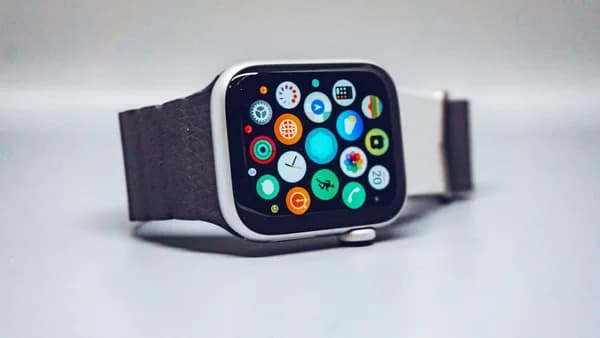
Where Redmi truly outpaces the pack is brightness. With a peak of 2,000 nits, the Watch 6 is readable in blazing sunlight—nearly double the Apple Watch SE’s 1,000 nits and well above Samsung’s Galaxy Watch 6 at 1,500 nits. Outdoor athletes, commuters, and anyone who’s tired of squinting at dim screens will notice the difference. This isn’t just a nice-to-have; it’s a usability jump that matters in daily life.
A big screen changes how users interact with their devices. Text is legible, maps are usable, and touch targets grow. Wear OS and Xiaomi’s own UI often feel cramped on smaller watches; here, apps breathe. But size isn’t free. Larger displays historically drain batteries faster—especially AMOLED panels pushing high brightness and refresh rates. Redmi claims to have solved this with aggressive power management, but the real test will be long-term use. If the Watch 6 delivers on both visibility and battery, it’s not just a bigger screen—it’s a new playbook for affordable wearables.
Breaking Down Redmi Watch 6’s Industry-Leading 24-Day Battery Life: What Powers It?
A 24-day battery claim for a watch with a huge, bright screen sounds suspect—until you look under the hood. Redmi Watch 6 packs a 470mAh battery, modest by phone standards but sizable for smartwatches. That’s nearly 20% larger than the Apple Watch SE (296mAh) and a leap over Samsung’s base Galaxy Watch 6 (425mAh). But raw capacity isn’t the whole story.
Redmi relies on a combo of aggressive software optimization, low-power chipsets, and dynamic screen management. The watch dims or sleeps the screen when not in use, throttles refresh rates during static screens, and offloads routine health tracking to ultra-low-power sensors. The company claims up to 24 days on a single charge in “basic mode”—with limited notifications and health tracking. Typical usage drops closer to 12 days, still double what most rivals muster.
Compare this to the Apple Watch SE (often 1-2 days), Samsung Galaxy Watch 6 (40 hours), and even budget Amazfit Bip (up to 14 days). Redmi’s endurance isn’t just an incremental upgrade; it’s a direct challenge to the idea that smartwatches must be charged nightly. The trade-off is clear: the Watch 6 runs a proprietary OS, not Wear OS, and limits third-party app support. But for customers tired of battery anxiety, this compromise may be a selling point, not a flaw.
Diverse User Needs: Comparing Redmi Watch 6’s NFC and Non-NFC Versions
Redmi splits the Watch 6 into NFC and non-NFC variants, targeting different global realities. NFC unlocks contactless payments, transit card emulation, and quick device pairing—features standard in China, South Korea, and parts of Europe, but less adopted in North America. The NFC model enables tap-to-pay (where supported), seamless pairing with Android phones, and integration with regional payment schemes like AliPay, WeChat Pay, and UnionPay.
For markets where NFC infrastructure lags, the non-NFC version cuts cost and complexity. Xiaomi’s strategy is surgical: in India, Latin America, and parts of Southeast Asia, wearables with NFC often sit unsold, their features unused. By offering both, Redmi can price aggressively and avoid regulatory headaches.
NFC functionality isn’t just about payments. It’s about convenience—unlocking doors, automating routines, and connecting with IoT devices. In Europe, consumer surveys show over 60% of smartwatch buyers now expect NFC, up from 35% in 2020. The Watch 6’s split approach lets Xiaomi address both tech-forward and price-sensitive segments, a flexibility most rivals ignore.
Smartwatch Market Dynamics: How Redmi Watch 6 Fits Into the Global Wearables Landscape
Redmi’s smartwatch journey started as a sideshow to Xiaomi’s Mi Band dominance. But with each iteration, the brand has grown bolder. The Watch 6 isn’t just a spec bump; it’s a statement of intent as Xiaomi targets the mid-range wearable market globally, not just in China.
Pricing hasn’t been fully disclosed, but expect the global Watch 6 to land between $80 and $120. That’s a fraction of the Apple Watch SE ($249), Samsung Galaxy Watch 6 ($299), and even below the Amazfit GTS 4 ($150). Yet the specs—2-inch AMOLED, long battery, full suite of health sensors—match or beat rivals costing twice as much.
Xiaomi’s global strategy: offer premium features without the premium brand markup. The Watch 6’s release follows Xiaomi’s broader push into Europe, Southeast Asia, and Africa, where price sensitivity trumps brand loyalty. Historically, Xiaomi’s aggressive pricing has forced competitors to cut margins and add features. The Mi Band’s runaway success (over 100 million units sold) proved that formula works.
The global smartwatch market hit $29 billion in 2023, with Apple holding 35% share, Samsung 15%, and Xiaomi climbing to 8%. Xiaomi’s challenge is scale: it needs to convert Mi Band users to smartwatches without losing the affordability edge. The Watch 6’s display and battery gambit is a direct shot at Apple’s “good enough” philosophy and Samsung’s feature-packed but pricey lineup. If Xiaomi nails execution, it could force rivals to rethink their pricing—and their specs.
Stakeholder Perspectives: What Consumers, Industry Experts, and Retailers Say About Redmi Watch 6
Early Chinese buyers greeted the Redmi Watch 6 with enthusiasm—and skepticism. Online reviews praise the display’s clarity and size, noting that reading messages and maps feels “phone-like.” Battery life wins universal acclaim; users report 10-14 days under heavy use, confirming Redmi’s claims in real-world conditions. But some complain about limited app selection and basic fitness tracking compared to Apple and Samsung.
Industry analysts see the Watch 6 as a disruptor, not a leader. IDC’s wearable research director calls the battery “one of the most significant leaps in mainstream smartwatches,” but warns that Redmi’s proprietary OS limits ecosystem integration. Retailers in China and Europe report brisk sales, especially among Android users seeking alternatives to pricier brands.
Global distributors are betting on volume. In India, retailers expect the Watch 6 to outsell previous Redmi watches by 40%. In Europe, pre-orders skew toward NFC models, reflecting higher payment adoption. The consensus: if Xiaomi can keep supply steady and avoid software hiccups, the Watch 6 will carve out market share from both budget and mid-range competitors.
What Redmi Watch 6’s Launch Means for Consumers and the Wearable Tech Industry
Redmi’s bold features and aggressive pricing force a new calculus for buyers. For the first time, a mainstream watch offers a truly large, bright screen and weeks-long battery life without crossing the $150 mark. This lowers the entry barrier for casual users and sets new expectations for what “budget” smartwatches should deliver.
Industry standards will shift. Apple and Samsung may tout ecosystem lock-in, but the Watch 6’s endurance and visibility will pressure them to innovate—or at least revise their pricing. Expect smaller brands like Amazfit and Realme to rush larger displays and longer battery claims into their 2025 lineups.
The ripple effect is clear. Consumers gain more choice, and the old dichotomy—charge every night or accept a dim, tiny screen—starts to fade. For Xiaomi, the Watch 6 isn’t just another product; it’s a challenge to the status quo. If rivals ignore this shift, they risk losing price-sensitive buyers—and the mass market.
Forecasting the Future: How Redmi Watch 6 Sets the Stage for Next-Gen Smartwatches
Redmi’s Watch 6 signals a new direction: bigger screens, brighter displays, longer battery—all at mid-range prices. Expect competitors to follow, pushing 2-inch AMOLED panels and double-digit battery claims into next year’s models. The next frontier isn’t just hardware; it’s smarter health tracking and richer app ecosystems that don’t sacrifice endurance.
Xiaomi’s roadmap likely includes deeper integration with its own MIUI, expanded NFC use cases, and a push for global health certifications. The Watch 6 lays groundwork for more advanced sensors—ECG, blood pressure, and even glucose tracking—without the battery trade-off.
In the broader market, user interfaces will evolve for larger screens: more touch interaction, mini-apps, and contextual widgets. The days of “just a fitness tracker” are over. Redmi’s launch will force rivals to rethink what a smartwatch can be—on wrists, in wallets, and in daily routines. The winners will be those who adapt, not just those who iterate.
Why It Matters
- Redmi Watch 6 introduces a larger, brighter display, improving usability outdoors and for detailed apps.
- Its industry-leading battery life addresses a major pain point for smartwatch users who dislike frequent charging.
- This launch pressures competitors to rethink display and battery standards in affordable wearables.