Metalenz Unveils Polar ID: Notch-Free 3D Facial Recognition Technology Debuts
Smartphone makers may soon ditch notches and punch-holes without sacrificing secure 3D facial recognition. Metalenz just publicly demoed “Polar ID,” a sensor tech promising Face ID-level security in a wafer-thin package that hides under a phone’s glass—no visible camera cutout required. The company showed off working prototypes this week, putting rivals on notice and signaling a new phase for biometric authentication, according to Notebookcheck.
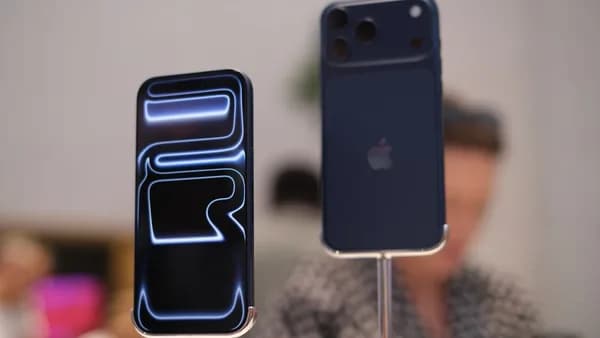
Apple’s Face ID has set the bar for secure facial unlock, but its sensor array requires a visible notch—a design compromise that’s lingered since 2017. Android brands have chased in-display cameras, but none have achieved both seamless looks and robust 3D recognition. Polar ID claims to break the deadlock. Metalenz’s approach uses polarimetric imaging—measuring how light waves oscillate—to capture depth, texture, and even differentiate real skin from a photo or mask.
This isn’t just a lab demo. Metalenz says Polar ID can be manufactured at scale and at a cost competitive with existing 2D solutions—meaning budget and midrange phones could get a serious security upgrade. The company is courting OEMs now, aiming to be the first affordable, notchless 3D face authentication system ready for mass production.
How Polar ID Could Transform Smartphone Design and User Security
The smartphone industry has obsessed over full-screen displays for years, but compromises remain. Notches and punch-holes disrupt the clean slab design, while under-display cameras still lag in image quality and don’t support advanced biometrics. Polar ID could let brands eliminate these blemishes without downgrading security—a play that would resonate in a market where even incremental design changes drive sales.
A truly seamless display unlocks new possibilities: uninterrupted video, cleaner AR overlays, and more immersive content. Recent surveys suggest over 35% of users cite notches or punch-holes as a “significant annoyance.” With Polar ID, brands could compete on design purity without defaulting to the weaker security of 2D face unlocks or in-display fingerprint sensors.
Security is the other half of the equation. 3D facial recognition—like Face ID—remains far more resistant to spoofing than 2D alternatives. Apple claims a one-in-a-million chance of a false positive with Face ID, versus one-in-50,000 for Touch ID. If Metalenz’s polarimetric tech lives up to its billing, it could match or exceed these odds while offering liveness detection against masks, photos, or deepfakes. That’s critical as mobile payments and digital ID use cases grow. With more governments piloting digital driver’s licenses and mobile passports, the need for high-assurance, frictionless authentication will only increase.
Polar ID isn’t aiming for the luxury tier alone. Metalenz is pitching its solution as “affordable enough for midrange handsets,” potentially democratizing secure 3D facial unlocks. That could force rivals—Samsung, Xiaomi, Oppo—to rethink their biometric roadmaps and finally close the security gap with Apple.
What to Expect Next: Market Readiness and Industry Adoption of Polar ID
Polar ID is not vaporware, but it’s not on shelves yet either. Metalenz expects the technology to be market-ready “within the next year,” with first devices possibly debuting in late 2025. The company is in talks with multiple smartphone OEMs and module suppliers, though it hasn’t named partners. The key hurdle: convincing manufacturers to integrate a new sensor stack and validating the tech at scale. Any claims of cost parity must survive the gauntlet of mass production and quality control.
The timing is strategic. Apple’s rumored “under-display Face ID” for future iPhones has yet to materialize, giving Metalenz a window to win Android mindshare. If Polar ID lands in midrange or flagship devices before Cupertino moves, it could shift the conversation—and put pressure on Samsung and others to respond. IDC data shows Android holds over 70% of global smartphone shipments; a widely adopted, affordable 3D face unlock system could reshape the competitive landscape.
Challenges remain. Metalenz must prove Polar ID’s reliability in a range of lighting conditions and face angles—a critical test that has tripped up previous efforts at invisible biometrics. OEMs will also want assurances on power consumption, module thickness, and integration with existing chipsets. Privacy watchdogs will scrutinize any new biometric solution, especially as governments and banks look to tie identity and payments to face data.
Looking ahead, Metalenz is already exploring enhancements. Future iterations could combine facial recognition with iris or even heartbeat detection for multi-factor authentication, or extend the tech to tablets, laptops, and automotive access. For now, all eyes are on the first commercial rollouts—and whether the promise of “Face ID, no notch, affordable” finally becomes reality.
Why It Matters
- Polar ID could enable truly seamless smartphone displays without sacrificing security.
- Budget and midrange devices may soon offer robust 3D facial recognition previously reserved for premium phones.
- Metalenz’s innovation pressures industry leaders like Apple and Android brands to rethink biometric designs.