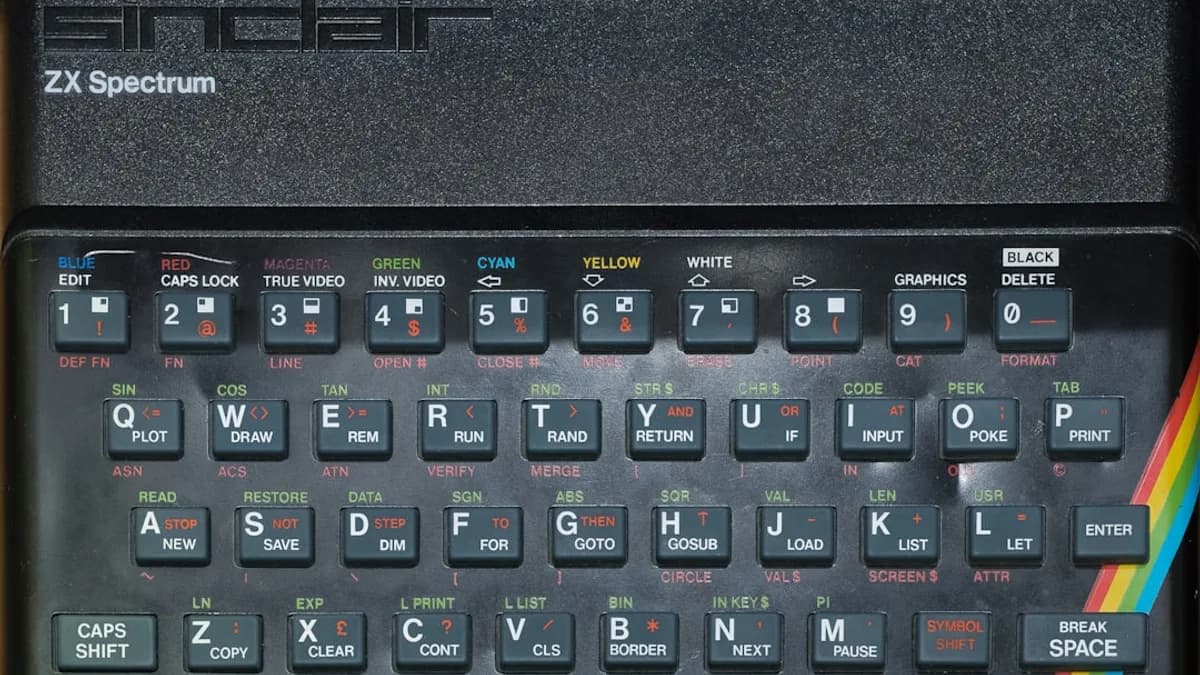
Plaion’s White ZX Spectrum: More Than a Cosmetic Throwback
Plaion isn’t just revamping the ZX Spectrum’s shell—it's invoking a slice of computing mythology. The company has begun selling a white version of the ZX Spectrum, modeled after the one-millionth unit that was custom-made for Clive Sinclair himself. The color shift breaks from tradition; since its inception, the ZX Spectrum has been synonymous with its stark black case. The new white model arrives after Plaion’s 2024 relaunch, which initially stuck to the classic black design. This is not just about aesthetics—this is a calculated nod to one of the rarest artifacts in Sinclair’s legacy, as Notebookcheck reports.
What We Know: Plaion’s White ZX Spectrum Honors a Milestone
Plaion’s release of the white ZX Spectrum is rooted in the hardware’s lore. The original black model dominated sales and popular memory, but a single white unit marked the one-millionth Spectrum produced, reserved for Clive Sinclair. Every design decision for retro hardware walks a tightrope between authenticity and novelty. By referencing this singular artifact, Plaion signals a deeper awareness of the machine’s cultural resonance. The company is not just selling nostalgia; it’s inviting fans to participate in a historical footnote.
Details on the Collector's edition are thin. The source confirms the existence of both the new white Spectrum and a Collector’s edition, but doesn’t clarify what differentiates the latter—be it packaging, hardware tweaks, or bundled extras. The core fact: buyers now have a choice beyond the default black.
What Remains Unclear: No Data on Sales or Production
There’s a gaping hole where numbers should be. Notebookcheck provides no sales figures, production volumes, or projections for either the black or white editions. The distribution scale—limited run or open production—remains unstated. There’s also no indication of how Plaion’s white version is being positioned relative to the Collector’s edition, or if any hardware or software differences exist.
No data appears for the original ZX Spectrum’s sales or production milestones, other than the symbolic “one-millionth” white unit. The market’s appetite for retro hardware, and Plaion’s expectations for this color variant, are not quantified.
Why It Matters: The Power of Color in Retro Tech
Color is never neutral in retro tech. The black Spectrum conjures 1980s home computing, while the white variant taps a more exclusive, almost mythic lineage. For collectors and fans, owning the white Spectrum isn’t just about nostalgia—it’s about touching a fragment of Sinclair’s personal history. That’s a different emotional pitch than simply reliving the past.
Plaion’s choice to honor the one-millionth unit, rather than invent a new colorway or stick with black, is a minimalist but loaded move. It appeals to those who know the story, and may prompt new buyers to dig into the device’s legacy. In a market where most reissues chase authenticity, referencing a one-off artifact is a subtle flex.
Stakeholder Implications: What’s at Stake for Fans and Plaion
Retro computing enthusiasts now face a choice anchored in history rather than simple style. The white Spectrum isn’t a random variant—it’s a reference known to collectors and deep fans. For Plaion, the move offers a way to differentiate its product without alienating purists. It also tests whether historical resonance can drive purchasing decisions as strongly as nostalgia for the mass-market classic.
What’s missing is direct commentary from Plaion’s teams or reactions from the collector community. There’s no evidence yet on whether this variant is being embraced—or ignored—by the retro scene.
What To Watch: Will This Spark a New Retro Hardware Trend?
Plaion’s release raises a practical question: will other retro hardware makers look for similarly deep cuts in their own archives? The white Spectrum’s existence suggests that referencing ultra-rare originals—rather than mass-market nostalgia—could become a new playbook for driving collector interest. If the white version sells out quickly or commands attention, others may follow suit.
Watch for Plaion to release firm numbers or for secondary market prices to reveal whether this variant hits with collectors. Pay attention to future reissues: will they mine brand history for obscure variants, or stick with the familiar? The answer will shape how the next wave of retro tech is packaged—and sold.
Bottom line: Plaion’s white ZX Spectrum doesn’t just repaint a classic. It brings a hidden chapter of computing history to the surface, but leaves market impact and fan response an open question. The next move—by Plaion or its competitors—will reveal if color variants tied to deep lore can reshape the retro gaming market or remain a collector’s curiosity.
Key Takeaways
- Plaion's release of a white ZX Spectrum connects modern buyers with a unique moment in computing history.
- The availability of multiple editions lets fans choose between tradition, nostalgia, and exclusivity.
- This move highlights how retro tech companies are leveraging heritage to engage collectors and enthusiasts.