Why the 9-Month Delay for Nothing CMF Watch 3 Pro in India Signals Supply Chain Challenges
Nine months. That’s how long Indian tech buyers had to wait between the CMF Watch 3 Pro’s global debut and its local arrival—a gap that’s rare for a mass-market wearable in 2024. The delay exposes a deeper snag in Nothing’s global operations: supply chain friction and risk aversion on regional launches, according to Notebookcheck.
This isn’t about regulatory hurdles or certification backlogs; the Watch 3 Pro isn’t a medical device and India’s smartwatch import process is routine. Instead, the long pause traces back to Nothing’s supply chain priorities. The firm, still young and scaling, chose to focus on EU and UK launches, where margins are higher and logistics less volatile. India, despite being the world’s second-largest smartwatch market by shipment volume (Counterpoint estimates 27 million units in 2023), often gets left behind when manufacturers face silicon shortages or tight component allocations.
For Nothing, the timing wasn’t pure neglect. Q4 2023 saw the company scramble for OLED displays amid global yield issues, and the firm’s own CEO admitted to component bottlenecks impacting shipping forecasts. The decision to wait until supply stabilized before launching in India sidestepped the risk of stockouts and negative press—but cost the brand nine months of momentum. With Chinese rivals launching new models every quarter, the delay stands out: Realme and Amazfit typically hit Indian shelves within 4-8 weeks of global drops. Here, Nothing’s cautious approach signals a company still learning to balance global ambitions with local execution.
Breaking Down the CMF Watch 3 Pro’s Features and Pricing to Gauge Market Competitiveness
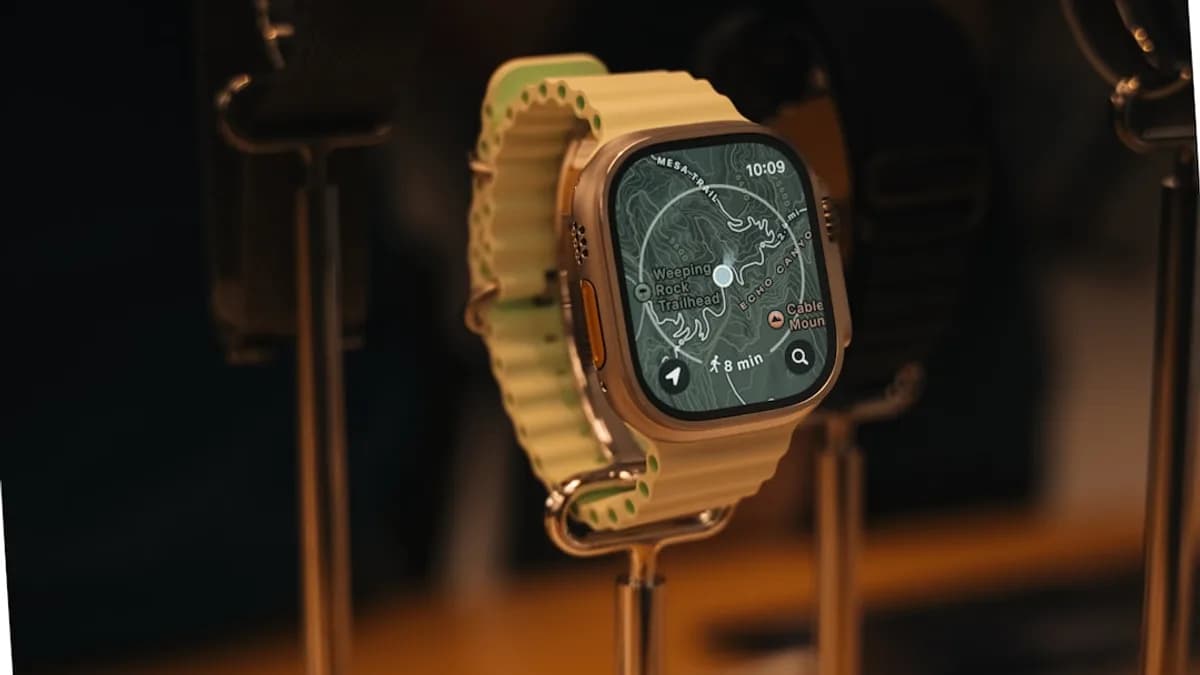
Specs matter, but so does price. The CMF Watch 3 Pro lands with a 1.96-inch AMOLED display, 600 nits peak brightness, and always-on mode—sharper than most budget rivals. Health tracking covers SpO2, heart rate, sleep, and stress, plus GPS and Bluetooth calling. Battery life claims up to 11 days on a single charge. Four colorways (black, orange, blue, silver) at launch is a deliberate play for style-conscious buyers, especially since Indian consumers treat wearables as fashion accessories as much as fitness tools.
Pricing is aggressive: Rs 4,999 (about $60), undercutting Samsung’s Galaxy Fit3 (Rs 5,999) and matching Realme Watch 3 Pro (Rs 4,999). Xiaomi’s Mi Watch is pricier at Rs 7,999, but packs more advanced sensors—yet lacks the design punch and social cache Nothing brings. Feature-for-feature, the CMF Watch 3 Pro sits in the sweet spot: it’s not the cheapest, but it’s the most visually distinct, and offers broader health tracking than similarly priced models.
The four-color launch is more than cosmetic. Data from Flipkart shows that 30% of smartwatch buyers in India pick a variant other than black, and color diversity boosts conversion rates among women and Gen Z. Nothing’s strategy here is calculated: capture buyers who see the watch as a style statement, not just a fitness tool. The company’s decision to launch all four colors simultaneously avoids the staggered-release trap that often frustrates Indian buyers (see Xiaomi’s delayed color drops). The CMF Watch 3 Pro isn’t a specs monster, but it’s positioned to win on aesthetics and value.
How Consumer Anticipation and Brand Loyalty Influence the CMF Watch 3 Pro’s Indian Launch
Nothing’s cult following didn’t fade during the nine-month wait—it grew louder. Reddit threads and Telegram groups tracked every rumor; Twitter trended “#BringCMFtoIndia” in February. The brand’s minimalist design and anti-mainstream ethos resonate with urban buyers who tired of lookalike Realme and Xiaomi devices. Nothing’s earlier Phone (1) launch in India drew 200,000 pre-orders, a figure that stunned even industry insiders.
But hype cuts both ways. The delay frustrated loyalists: repeated teases without a firm date led to accusations of “overpromising” and “under-delivering” in threads on Nothing’s own forums. Some buyers jumped ship to Amazfit or Realme, citing trust erosion—especially as those brands delivered updates and new models during the waiting period. IDC consumer surveys from 2023 show that Indian buyers are impatient: 41% switch brands if a launch is delayed more than three months.
Despite this, Nothing’s brand still commands premium attention. Early polls by TechPP and Beebom suggest over 60% of respondents would consider the CMF Watch 3 Pro for its design alone—even after the delay. This launch is a test: can anticipation translate into sales, or will pent-up frustration dampen the impact?
Flipkart’s Role in Shaping the CMF Watch 3 Pro’s Distribution and Accessibility in India
Flipkart isn’t just a sales channel—it’s the gatekeeper for mid-range tech launches in India. Nothing’s exclusive partnership means the Watch 3 Pro bypasses retail chains and brick-and-mortar visibility, relying on Flipkart’s reach and logistics. For context: Flipkart’s tech accessory category grew 28% YoY in 2023, and its “Big Billion Days” sales regularly move 100,000+ smartwatches in a single event. The platform’s algorithm-driven recommendations and targeted ads amplify launches beyond what traditional marketing can achieve.
But the exclusive route isn’t risk-free. Brands face logistical choke points during major sales events—last year, delays hit 17% of Flipkart smartwatch orders due to warehouse bottlenecks. Nothing will need to ensure consistent stock and rapid fulfillment, or risk backlash from buyers already wary after the launch delay.
Flipkart’s marketing muscle is substantial: homepage banners, influencer tie-ins, and retargeting campaigns will drive awareness. But the real test comes in user reviews and ratings—early feedback shapes perception, and negative reviews can crater conversion rates in days. Nothing’s choice to go all-in on Flipkart bets on the platform’s ability to turn anticipation into sales, but leaves the brand exposed to any sudden logistics hiccups.
Historical Patterns of Delayed Tech Product Launches in India and Their Market Impact
Delayed launches are nothing new in Indian tech. Apple’s Watch Series 3 took six months to reach Indian shelves in 2017, largely due to LTE band certification. OnePlus Nord N100 waited nearly a year, with rumors swirling about supply chain prioritization for Europe and the US. In both cases, the delay shifted buyer sentiment: Apple’s late arrival drew complaints but still sold out, thanks to brand clout; OnePlus lost share to Realme and Xiaomi, with impatient buyers migrating.
The common thread: delays rarely kill demand for premium brands, but mid-range and value players suffer attrition. IDC’s 2021 report found that 26% of buyers who faced launch delays abandoned their initial choice. For Nothing, the risk is sharper because its brand sits between cult and commodity—loyalists will wait, but price-sensitive buyers won’t.
Past launches also reveal another trend: delayed arrivals often spur flash sales and bundle offers to jumpstart momentum. Expect Nothing to deploy launch discounts or freebies to recapture lost hype. The Watch 3 Pro’s delay mirrors patterns seen with Realme and Xiaomi, where a late launch forced aggressive pricing and marketing to win back share. If Nothing executes well, it can recover—if not, the delay will haunt future launches.
What the CMF Watch 3 Pro Launch Means for Indian Consumers and the Wearable Tech Industry
For buyers, the Watch 3 Pro’s arrival expands choice at the crucial Rs 4,000–6,000 bracket, where most Indian smartwatch sales occur. The device stands out for its design, color options, and health tracking, giving consumers an alternative to feature-heavy but style-light rivals. As India’s wearable market matures—Counterpoint expects 20% YoY growth in 2024—the value proposition shifts from pure specs to design, battery life, and brand cachet.
Competition will intensify. Realme, Amazfit, and Xiaomi have dominated the mid-range, but Nothing’s entry forces rivals to pay attention to aesthetics and user experience. Expect more color variants, sharper screens, and marketing focused on lifestyle as well as fitness. The launch also pressures incumbents to improve after-sales support and software updates, as Nothing’s community-driven approach often demands transparency.
Innovation might accelerate. If the Watch 3 Pro sells well, Indian buyers will see faster rollouts of advanced features—ECG, skin temperature, improved sleep analytics—at lower prices. Brands will be pushed to differentiate, rather than churn out iterative models. The launch isn’t just a new product; it’s a signal that Indian buyers demand more than spec sheets.
Forecasting the Future: What the CMF Watch 3 Pro’s Indian Debut Reveals About Nothing’s Growth Strategy
Nothing’s Indian launch strategy is shifting. The nine-month delay wasn’t ideal, but the company used the time to study market dynamics, build supply, and craft a Flipkart partnership. If the Watch 3 Pro moves 50,000 units in its first quarter—a realistic target given Flipkart’s reach—it will cement Nothing as a serious contender in India’s wearable market.
Future launches will likely be faster. Nothing’s supply chain lessons from this delay will push it to secure component contracts and prioritize Indian certification earlier. Expect more synchronized global launches, with India no longer treated as an afterthought. The company may also expand beyond Flipkart, targeting offline retail and niche e-commerce platforms to broaden distribution.
Regional expansion is next. Success with the Watch 3 Pro could lead to launches in tier-2 and tier-3 cities, where wearables are catching on but brand loyalty is thin. Nothing may leverage its design-first ethos to win young buyers who see wearables as status symbols.
Supply chain resilience will be the focus. Nothing needs to diversify sourcing, hedge against silicon shortages, and streamline logistics to avoid repeat delays. The firm’s growth in India depends on operational agility as much as marketing flair. If it adapts, Nothing could move from cult favorite to mainstream player—reshaping the narrative from “late again” to “first in line.”
Impact Analysis
- The nine-month delay highlights supply chain vulnerabilities for young tech brands in India.
- India's massive smartwatch market is increasingly competitive, making launch timing critical for success.
- Nothing’s cautious approach risks losing market share to faster-moving rivals like Realme and Amazfit.