Why Nintendo’s 23.7% Surge in R&D Spending Signals Major Console Moves
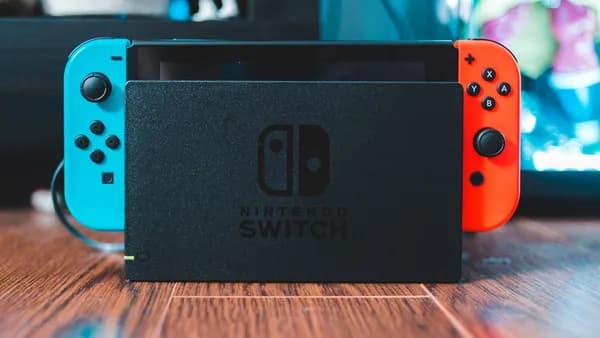
Nintendo’s R&D budget just jumped 23.7% year-over-year—a move that rarely goes unnoticed in hardware circles. This isn’t a minor blip; it’s a sign that something substantial is in the pipeline, especially given the timing and industry context. Despite grappling with higher memory prices, Nintendo is funneling more resources into research and development, a signal that has reignited rumors about new console variants, including a Switch 2 OLED and a cheaper Switch 2 Lite. The fiscal report, as cited by Notebookcheck, is short on details but long on implications.
When a platform holder swells its R&D spending in the face of rising component costs, it typically suggests a willingness to invest ahead of immediate profitability. The logic: Nintendo appears ready to absorb higher input costs to push ahead with next-generation hardware—an aggressive posture that’s often a precursor to big product launches.
Crunching the Numbers: What Nintendo’s Fiscal Report Reveals About Future Hardware Plans
Drilling into the fiscal data, we see a 23.7% leap in R&D allocation. While the raw numbers aren’t specified, that rate of increase is difficult to dismiss as routine cost-of-living adjustment. The source points out that this increase comes while memory prices are elevated, which would normally prompt cost-cutting or at least caution in hardware planning.
The source links this spending surge to lingering leaks about a Switch 2 OLED and a potential Switch 2 Lite. While the leak details are not recapped in the fiscal report, the implication is clear: Nintendo is investing in projects that could plausibly include a split hardware strategy—one premium, one cost-conscious. The timing aligns: companies often ramp R&D months or years ahead of launch, and this is one of the few hard signals available in the absence of official announcements.
Diverse Stakeholder Perspectives on Nintendo’s Potential Switch 2 OLED and Lite Launches
The source doesn’t quote analysts, fans, or supply chain insiders, but some inferences can be drawn. For market watchers, a 23.7% R&D surge—especially during a period of expensive memory—would be read as a serious commitment to hardware development, not just software or iterative updates. Gamers and community speculators have latched onto the OLED and Lite rumors, seeing them as a likely evolution of the Switch line. However, the lack of official specs or launch windows keeps expectations in the realm of educated guesswork.
From a supply chain perspective, higher memory costs embedded in the report signal ongoing challenges for hardware launches. If Nintendo is willing to expand R&D despite these headwinds, it suggests a drive to secure competitive advantage, even if margins are initially tight.
Tracing Nintendo’s Console Evolution: How Past R&D Investments Shaped Switch Success
The source does not provide past R&D figures or direct comparisons, but MLXIO analysis can note a consistent pattern in console cycles: major R&D outlays tend to cluster ahead of significant hardware launches. The original Switch and subsequent OLED model both arrived after periods of heavy R&D spending, with Nintendo often pursuing unique form factors and custom silicon. The lesson: Nintendo’s R&D spikes are rarely wasted on minor refreshes. If history is a guide, this latest budget boost will underpin features that set the new models apart, not just iterative upgrades.
What Nintendo’s R&D Expansion Means for Gamers and the Console Market Landscape
For players, new hardware means fresh features, possibly new display tech (OLED), and—if the Lite rumors hold—lower entry prices. The challenge: high memory prices could temper how much value Nintendo can deliver at each tier. For the broader market, a two-pronged hardware launch could redraw lines between premium and budget segments, but the report stops short of confirming any competitive dynamics.
Developers and accessory makers will be watching closely; new form factors or hardware specs can create both opportunity and friction. But without official specs, the impact remains speculative—Nintendo’s R&D priorities will dictate the actual market shift.
Predicting Nintendo’s Next Moves: Likely Features and Launch Scenarios for Switch 2 OLED and Lite
With no official confirmation, the most credible scenarios are those that align with both the R&D surge and the leak cycle referenced by Notebookcheck. A Switch 2 OLED would push display quality, while a Lite version would target budget-conscious buyers. Memory costs could shape specs, storage, and even launch timing—if prices fall, Nintendo may move faster; if not, features could be trimmed to hit targets.
What remains unclear: exact specs, pricing, and launch windows. The fiscal report is silent on these fronts, and no official product roadmap has surfaced. What to watch next: supply chain leaks, developer kit shipments, and further fiscal disclosures. If Nintendo begins prepping marketing campaigns or partners start hinting at new hardware, the R&D surge will look less like a rumor and more like a countdown.
Impact Analysis
- Nintendo's significant R&D investment hints at imminent new console launches.
- A split hardware strategy could broaden Nintendo's market reach and appeal.
- Rising R&D despite higher memory prices signals confidence in next-generation products.