Why the Motorola Razr 70 Series Still Holds Appeal in the Foldable Market
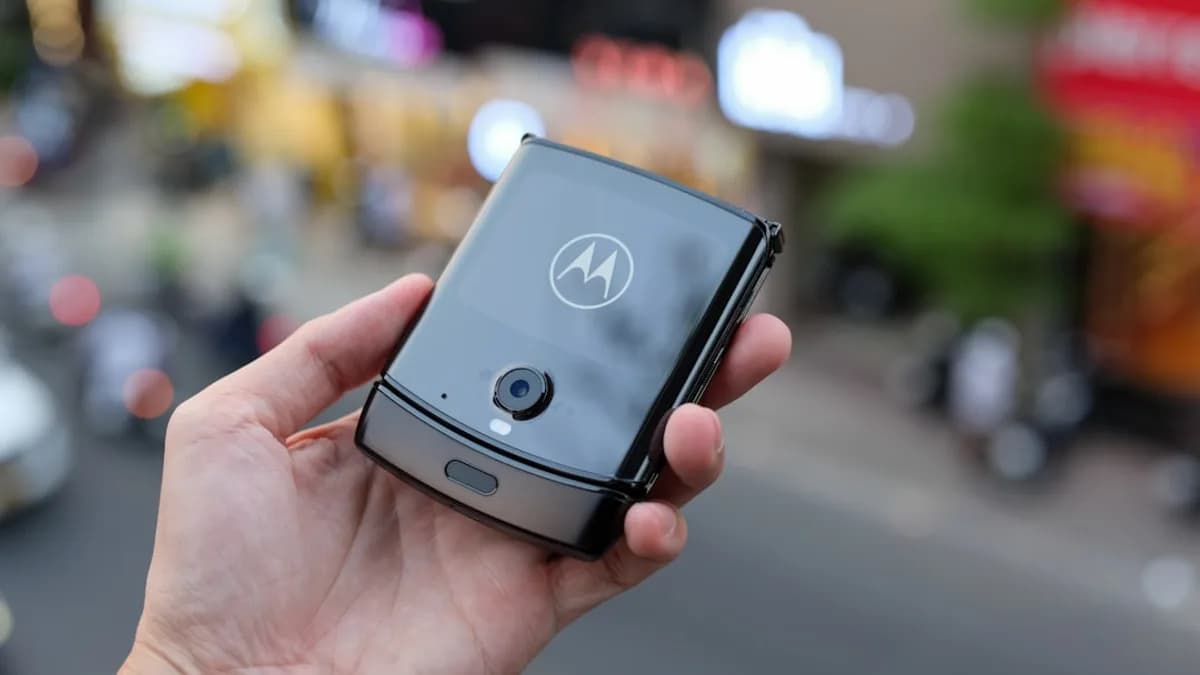
The Motorola Razr 70 Ultra’s arrival proves one thing: nostalgia is never enough, but it’s a hell of a start. The Razr badge still carries weight — not just as a callback to early-2000s style, but as a symbol of Motorola’s ongoing commitment to flip foldables in a field where most brands have already pivoted to the book-style form factor. This year’s refresh, spanning the Razr 70, 70+, and 70 Ultra, signals that Motorola isn’t simply coasting on memory. There’s a reason the Razr name still sparks debate and anticipation, as seen in Gsmarena’s poll: the combination of heritage design and iterative engineering still matters to a vocal slice of mobile buyers.
Comparing the Razr 70, Razr 70+, and Razr 70 Ultra: Which Model Fits Your Needs Best?
What actually separates these three new Razrs? The source highlights the Ultra’s use of the overclocked Snapdragon 8 Elite CPU (4.47GHz), a clear signal that performance remains the Ultra’s main pitch. The 70 and 70+ are positioned as more mainstream, though exact hardware differences beyond the chipset aren’t spelled out in the source. One thing is clear: the Ultra isn’t a radical redesign, but an incremental step up — a pattern that Motorola’s flip line has embraced, for better or worse.
If you’re the kind of user who wants the latest silicon for extended longevity and snappier performance, the Ultra is the natural fit. For those who prioritize price or simply want the foldable form without the premium, the 70 or 70+ may suffice. Yet, without concrete data on display, camera, and battery life, it’s tough to draw a definitive line between the models’ real-world impact. Based on the information at hand, Motorola is betting that the Ultra’s faster processor (and perhaps small refinements) will be enough to sway buyers who live on the bleeding edge, while the 70 and 70+ offer a familiar flip experience at a likely lower cost.
The Case for Choosing the Razr 70 Ultra: Is the Premium Upgrade Worth It?
Is the Ultra’s overclocked Snapdragon 8 Elite worth the inevitable price bump over its siblings? For power users, the answer hinges on a single factor: longevity. The faster CPU means this device could stay relevant longer as Android evolves, and demanding apps continue to push hardware limits. If you value that buffer, the Ultra makes sense. But the source is clear: this is an iterative upgrade, not a revolution. The silhouette and overall approach are familiar, suggesting that the premium here is paid for marginal gains, not a transformative leap.
In MLXIO’s analysis, the Ultra appeals most to those who want the absolute top-tier — even if the generational leap is modest. If you’re content with “good enough” and don’t chase specs, the base or plus models likely offer similar daily utility.
Addressing the Counterpoint: Why Some Consumers Might Skip the Razr 70 Series
There’s a valid critique: why pay for an iterative refresh in a segment that’s already niche? Some buyers will look at the Razr 70 Ultra and see a brand treading water. The lack of a major hardware or software overhaul could push tech enthusiasts toward more aggressively updated devices. Without new details on camera, battery, or display, the Razr 70 series risks being dismissed as a placeholder — especially for users who want clear, tangible improvements each cycle.
Another hesitation: the proliferation of foldables means nostalgia alone can’t justify a premium. If Motorola’s upgrades don’t clearly outpace rivals (or even their own last-gen models), some buyers will inevitably wait for something bolder.
Why You Should Still Consider a Motorola Razr Flip Foldable in 2024
But here’s the case for the Razr 70 lineup: Motorola is one of the few brands still committed to refining the flip foldable formula. If you’re drawn to the tactile satisfaction of snapping your phone shut, or you’ve been waiting for a proven brand to keep iterating on this design, the Razr 70 series delivers. The choice now is not whether to buy a flip foldable at all, but which flavor of Razr fits your priorities: raw power, price, or something in between.
The bottom line: the Razr 70, 70+, and 70 Ultra are not for everyone — but for those who crave the intersection of nostalgia and modern hardware, they’re still worth a look. If you’ve got strong opinions on which model makes the most sense, join the debate in Gsmarena’s poll. Motorola’s next move will depend on how users vote with their wallets — and their clicks.
What We Know: The Ultra model offers a faster, overclocked Snapdragon 8 Elite processor, while the 70 and 70+ serve as more accessible alternatives.
Why It Matters: Motorola continues to invest in the flip foldable space with multiple tiers, betting that nostalgia plus incremental upgrades will keep the Razr relevant.
What Is Still Unclear: The precise differences in display, battery, and camera among the three models remain unspecified in the source.
What to Watch: Future announcements may clarify these gaps. For now, consumer response — and whether buyers reward iteration or demand revolution — will shape the Razr’s future.
Key Takeaways
- Motorola continues to invest in flip-style foldables, offering alternatives to book-style designs.
- The Razr 70 Ultra stands out with a top-tier processor, appealing to performance-focused buyers.
- Buyers can choose between models based on priorities like price, nostalgia, or hardware power.