Model Y Becomes the First to Ace New NHTSA Self-Driving Safety Test
Tesla’s Model Y just claimed a regulatory first: it’s the inaugural vehicle to pass the Trump administration’s latest NHTSA self-driving safety benchmark. This isn’t just a gold star for the spec sheet—it signals that Tesla’s approach to autonomy is hitting targets federal regulators actually care about. According to Notebookcheck, this test is a new yardstick, designed to vet self-driving systems under standards set by the previous administration.
While the specifics of the new benchmark aren’t detailed in the source, the distinction from prior standards is clear: this is not just a rehash of traditional crash tests or passive safety. It’s a direct evaluation of how well a vehicle’s autonomous systems can prevent accidents and protect occupants—raising the bar for the industry. That the Model Y is the first over this hurdle suggests Tesla’s latest stack is both technically mature and tuned to regulatory priorities. Unlike some rivals who rely on slow, incremental improvements, Tesla’s iterative software updates and real-world data mining appear to have paid off in a way that passes muster with federal authorities.
Why Tesla’s Quiet Color Overhaul Signals More Than Just New Paint
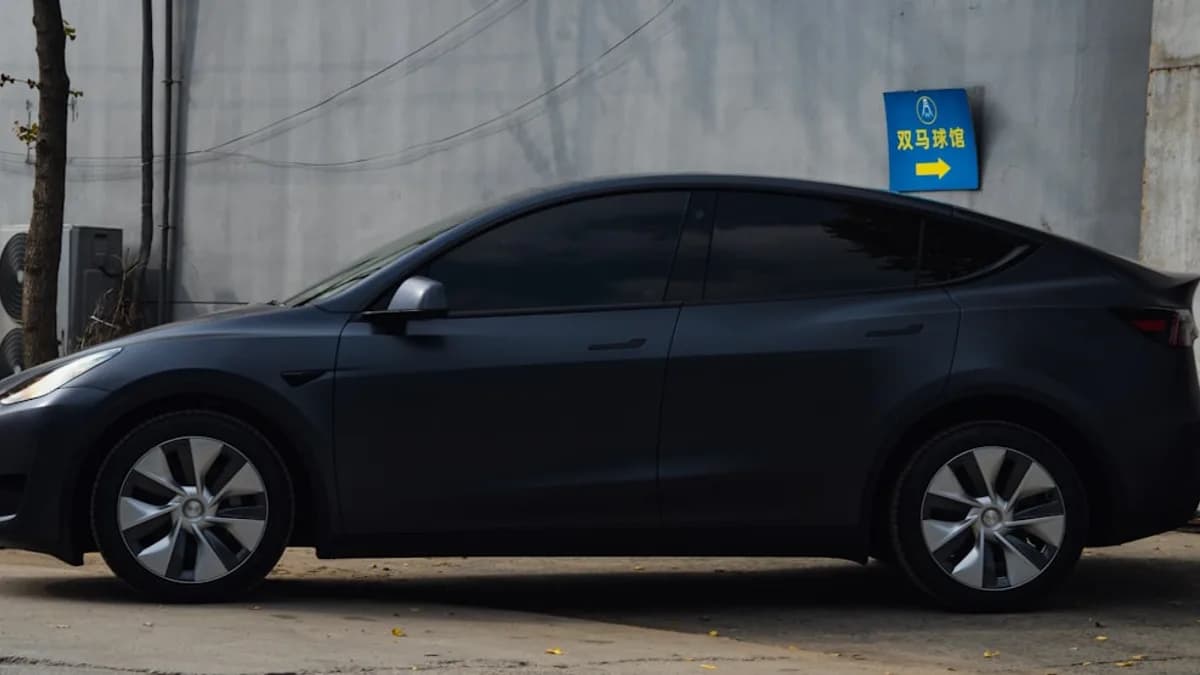
In the same breath as its safety win, Tesla quietly swapped out a long-standing color from the Model Y and Model 3 options and ported over a signature hue from the discontinued Model S and Model X. Such a move isn’t just about freshening the palette—it’s a play to recalibrate brand identity as the company’s lineup evolves.
Color selection is a subtle but potent tool for influencing perception. By retiring a familiar shade and importing a flagship color from its now-retired luxury models, Tesla is signaling a trickle-down of premium cues to its mass-market cars. This kind of hand-me-down strategy often aims to keep mid-tier models aspirational and current, especially as the flagships bow out. The timing—quiet and unannounced—suggests Tesla prefers the product to speak for itself, counting on enthusiasts and owners to notice and amplify the change. That’s consistent with Tesla’s usual approach: minimal fanfare, maximum social buzz.
Hard Numbers: What’s Actually Quantified—and What Isn’t
The source does not provide hard safety statistics, crash data, or sales numbers. There’s no breakdown of how the Model Y’s safety scores stack up against rivals or previous Teslas, nor any before-and-after market data for the color or safety updates. That leaves the analysis at a qualitative level: Model Y is the first to pass the new benchmark, period.
What’s missing is whether this “first” is a narrow technical win or a broad leap that puts all rivals on notice. Without numbers, it’s impossible to gauge the scale of the achievement or its immediate market effect. Likewise, there’s no evidence—yet—of a sales bump or dip tied to the color shifts.
Stakeholder Reactions: Industry, Owners, and the Design Crowd
With no direct quotes or poll data, the reaction landscape is opaque. Still, MLXIO analysis: For regulators, a mainstream EV acing a new autonomous safety test validates the benchmark itself and gives the NHTSA a proof point. For industry observers, Tesla’s willingness to sunset legacy colors and promote flagship hues hints at a company constantly curating its image—even as it pivots on technology.
Tesla owners and fans are likely to parse the new color options for signals about brand direction. Automotive design critics often see color curation as a marker of whether a brand is chasing trend, reinforcing heritage, or making a play for new demographics. Competitors, meanwhile, can’t ignore that Tesla is setting both technical and aesthetic standards in a single update cycle.
Past Lessons: Tesla’s Evolving Playbook in Safety and Style
Tesla has a track record of rolling out updates without warning, using over-the-air software changes and design tweaks to keep models fresh. The Model Y’s new safety validation echoes past milestones where Tesla was first to meet or exceed regulatory bars, often with little lead time for rivals. The color palette refresh mirrors previous moments when flagship features or finishes migrated downmarket—a pattern Tesla uses to keep base models from feeling stale as older flagships retire.
This cadence of subtle but meaningful change keeps customers and industry watchers guessing, and loyalists engaged. It’s a product lifecycle playbook that prizes agility over predictability.
Implications for Buyers and the Auto Industry
For potential EV buyers, the NHTSA benchmark means the Model Y is—on paper—the safest self-driving bet under current federal standards. That’s a powerful differentiator for families or tech-forward shoppers who might otherwise hesitate. The color update, while less critical, still matters: it’s a statement that Tesla’s accessible models are inheriting the sheen of its now-absent flagships.
For the industry, these moves raise the bar on both safety validation and brand management. Even without numbers, being first through a new regulatory gate lets Tesla claim leadership in a category where perception often drives sales. The color strategy, while subtle, signals that Tesla is willing to sunset even popular features if it means keeping the lineup fresh.
What Remains Unclear and What to Watch Next
Here’s what the source doesn’t tell us: the exact criteria of the new NHTSA self-driving safety benchmark, the margin by which Model Y passed, or how close other automakers might be to matching the feat. There’s no data on sales or owner responses to the color change. We also don’t know if this is the start of a broader design refresh cycle or a one-off tweak.
Keep an eye on whether the Model Y’s safety distinction appears in future Tesla marketing or if new models quickly follow with the same certification. Watch for owner chatter or configurator data showing shifts in color popularity, which could reveal whether the retired color had a loyal following. Finally, look for regulatory commentary or industry-wide moves to adopt or challenge the new NHTSA benchmark. That will signal whether Tesla’s “first” is a fleeting advantage or the start of a new safety arms race.
Impact Analysis
- Tesla's Model Y is the first vehicle to meet new NHTSA safety standards for self-driving systems, setting a regulatory benchmark for the industry.
- The update to the Model Y's color palette signals Tesla's evolving brand strategy, blending luxury cues into its mass-market models.
- Passing the new safety test strengthens Tesla's position in the autonomous vehicle market and may influence future regulatory expectations for competitors.