
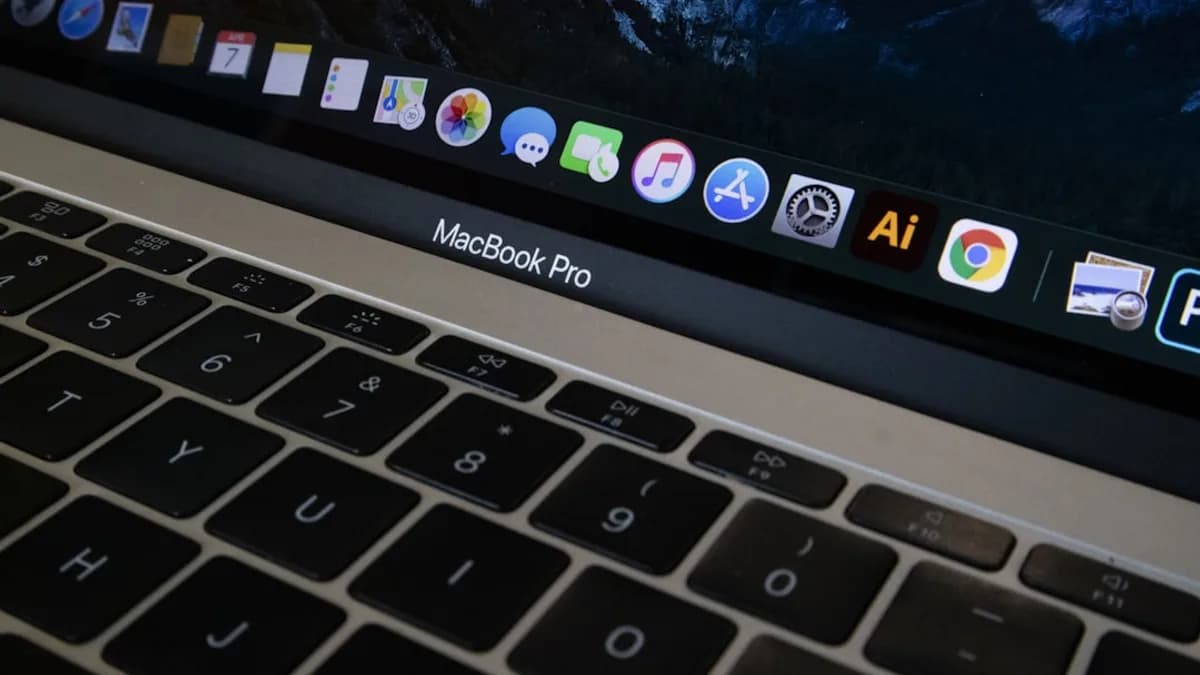



Introduction to the Delays in Apple’s MacBook Pro and Mac Studio Releases
Apple’s much-anticipated MacBook Pro with a touch screen and the next-generation Mac Studio have reportedly hit a speed bump. The company, known for its meticulously timed product launches, is now facing delays for these flagship devices due to ongoing supply chain shortages [Source: Source]. For tech enthusiasts and professionals alike, this news isn’t just about waiting a little longer—it’s a sign of the persistent global disruptions that continue to rattle even the most robust brands. The reasons, while technical in nature, have real-world implications for anyone planning a major upgrade or relying on Apple’s innovation cycle. Understanding the causes and impacts of these postponements is essential for buyers weighing their options, as well as for anyone watching the broader technology industry navigate unprecedented challenges.
How to Stay Updated on Apple Product Release Changes
When it comes to Apple product launches, rumors can swirl for months—but staying ahead of official updates can help you make smarter purchasing decisions. Apple’s own Newsroom and press release archive remain the most authoritative sources for concrete announcements about product timelines and availability. Bookmarking these sites or subscribing to their RSS feeds ensures you’ll get accurate information directly from the source.
But Apple often plays its cards close to the vest, so supplementing official channels with coverage from reputable tech media is crucial. Outlets like MacRumors, 9to5Mac, Engadget, and The Wall Street Journal have proven track records for early and reliable reporting on Apple’s release schedules and supply chain challenges [Source: Source]. Setting up Google Alerts for terms like “MacBook Pro release date” or “Mac Studio delay” can deliver breaking news straight to your inbox. Meanwhile, following key Apple journalists and analysts on platforms like Twitter or Threads can provide real-time updates and expert commentary that put the news in context.
Finally, enable notifications in your favorite news apps—Apple News, Flipboard, or even Reddit’s r/Apple community—to catch any last-minute shifts or leaks. In an industry where a single supply chain hiccup can shift launch dates by months, being informed early empowers you to plan, pivot, or pounce when new information drops.
How to Manage Your Purchase Plans Amid Apple Product Delays
Facing a delay in your dream device is frustrating, but a strategic approach can turn that disappointment into opportunity. Start by assessing your current needs: Is your existing MacBook or Mac Studio showing its age, or can it reliably get you through another season? If your work or creative output depends on cutting-edge performance, waiting might make sense—especially if rumored upgrades like a touch screen or improved silicon align with your workflow.
However, Apple’s previous-generation devices remain highly capable. The current MacBook Pro and Mac Studio models, often discounted during upgrade cycles, can offer substantial value—especially if you need to upgrade now rather than months from now. Apple’s certified refurbished program and trusted resellers can also provide like-new devices at reduced prices, often with warranties and reliable customer support.
For buyers on the fence, consider whether incremental upgrades in the next release are worth the wait. Historically, Apple’s generational leaps are significant every two to three years, so compare rumored specs with current offerings and your own workflow needs. Sometimes, skipping a cycle and investing in the current generation can actually save you time, money, and unnecessary stress—especially when availability is uncertain.
How to Navigate Supply Chain Challenges Affecting Tech Product Availability
The current delays at Apple echo a broader crisis rippling through the tech industry: global supply chain disruptions, particularly in semiconductor manufacturing. The pandemic exposed the fragility of just-in-time logistics, and the resulting chip shortages have affected everything from smartphones to automobiles. For Apple, which relies on a complex web of suppliers across Asia, even a slight hiccup in one component’s production can cascade into months-long delays [Source: Source].
Tech companies have responded with a variety of strategies. Apple, for instance, has been known to secure preferential access to high-demand components by leveraging its scale and negotiating power. Other firms diversify their supplier bases or invest in stockpiling critical parts. Yet, even these measures have limits when global demand outstrips supply.
For consumers, the best defense is preparation and flexibility. If you anticipate a need for new tech—be it for work, school, or creative projects—plan purchases well in advance of deadlines. Avoid waiting until your current device fails completely, as shortages can lead to lengthy backorders or price spikes. It’s also wise to monitor availability at multiple retailers, not just Apple’s own store; authorized resellers may receive shipments at different times, offering another avenue for timely purchases.
Finally, keep an eye out for changes in return and warranty policies. During uncertain times, companies sometimes extend return windows or enhance support for buyers who encounter product issues—policies that can provide peace of mind if you must buy before a new model is released.
How to Prepare for the Features and Innovations Expected in the Upcoming MacBook Pro and Mac Studio
Speculation around Apple’s next MacBook Pro centers on the long-awaited addition of a touch screen—a feature that would mark a significant shift in Apple’s laptop philosophy, traditionally favoring trackpad and keyboard interfaces. Meanwhile, the new Mac Studio is expected to pack even more powerful silicon, possibly leveraging Apple’s next-generation M-series chips and expanded port options to appeal to creative professionals and power users [Source: Source].
Before making any decisions, consider how these rumored upgrades align with your real-world needs. A touch screen could transform workflows for designers, artists, and developers, but may be less essential for writers or business users. Similarly, the Mac Studio’s rumored enhancements—such as more robust graphics or improved thermal management—will appeal most to those pushing the boundaries of video editing, 3D modeling, or software development.
Setting realistic expectations is essential. Delays can mean that the final feature set changes as Apple adapts to component availability or shifts in market demand. While leaks and rumors provide clues, only official announcements can confirm what’s coming—and when. For now, balance your excitement with patience and a critical eye toward what features genuinely matter for your use case.
Conclusion: Making Informed Decisions During Apple’s Product Launch Delays
Navigating Apple’s shifting product timelines requires a blend of vigilance, flexibility, and clear-eyed assessment of your needs. By leveraging official channels and trusted tech media, you can stay ahead of release changes and avoid being caught off-guard by sudden delays. Evaluate whether waiting for the next big thing is essential, or if current and refurbished models deliver enough value for your workflow right now.
Above all, remain adaptable. The global tech supply chain remains volatile, and even industry giants like Apple aren’t immune to disruptions. By planning purchases proactively and keeping an open mind about alternatives, you’ll be well-positioned to make the most of your next technology investment—whenever it finally arrives. The smartest buyers aren’t just patient; they’re prepared, informed, and ready to seize opportunity in a fast-changing market.