Why Lenovo’s 17-Inch IdeaPad Slim 3i Marks a Strategic Shift in Laptop Design
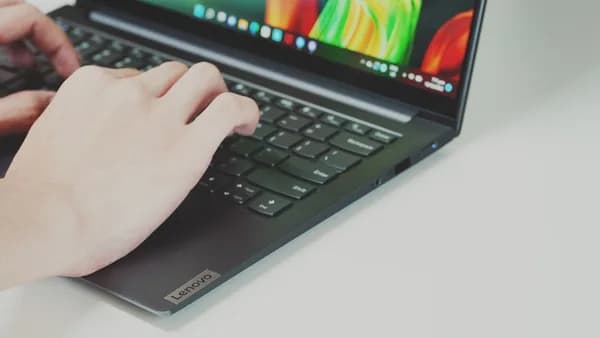
Lenovo’s decision to launch the IdeaPad Slim 3i 17IWC11 with a 17-inch display and numberpad is a clear signal: the company sees renewed value in large-format laptops for international markets. Instead of chasing ever-thinner, ever-smaller designs, Lenovo is emphasizing workspace, comfort, and practical utility. The inclusion of a dedicated numberpad—once a standard, now often missing from modern notebooks—shows they’re targeting users who handle spreadsheets and data entry, not just content streaming and web browsing. This 17-inch model is the first to feature Intel’s Wildcat Lake processor, leveraging the latest silicon to support both performance and efficiency, according to Notebookcheck.
Why does this matter? In a market where smaller ultrabooks and hybrid devices dominate headlines, a return to larger laptops equipped for serious multitasking and productivity is a deliberate bet that not all users want to work on 13-inch screens. Lenovo’s approach here is less about “wow factor” and more about practical appeal—the kind that keeps enterprise and education buyers loyal.
Breaking Down the Performance Specs: Intel Wildcat Lake and Memory Capabilities
What sets this launch apart is the pairing of a 17-inch chassis with Intel’s new Wildcat Lake processor. While Lenovo hasn’t specified exact SKUs in the official release, Wildcat Lake is positioned as the next step in Intel’s mobile roadmap, promising a mix of efficiency and solid multitasking capability. The real headline is memory: the IdeaPad Slim 3i 17IWC11 supports up to 32 GB of RAM, a ceiling that puts it above many mainstream consumer laptops. For users juggling browser tabs, virtual machines, or heavy multitasking, this overhead matters.
The synergy between Wildcat Lake and ample RAM is simple but effective—users get a machine that won’t choke under load, especially with productivity tasks. While the model’s graphics capability is not detailed, the focus here is clear: this is a workhorse for data crunching and multi-window workflows, not a device aimed at gaming like Lenovo Legion RTX laptops, the Lenovo LOQ 15 Surge Green, or creative professionals.
Battery Life and Portability: How Lenovo Balances Power and Mobility in a 17-Inch Laptop
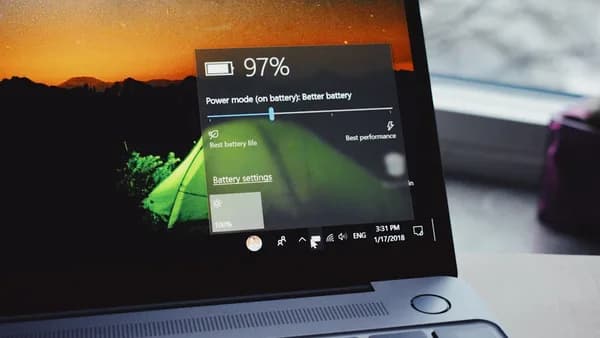
Lenovo is making a bold promise—over 18 hours of battery life from a 60 Wh battery, according to official tests. For a 17-inch laptop, that’s a significant claim. Larger displays are typically power-hungry, and balancing battery longevity with a big screen is no small feat. If Lenovo’s numbers hold up in real-world use, this could reshape expectations for large-format notebooks, which have long been written off as “desktop replacements” tethered to power outlets.
But there’s an important caveat. The source does not provide details about the test methodology, workloads, or settings behind that 18-hour figure. In practice, battery life fluctuates wildly depending on brightness and workload. Still, on paper, Lenovo is daring rivals to match a combination of screen size and unplugged endurance.
Market Reception and Stakeholder Perspectives on Lenovo’s New IdeaPad Release
What’s the response so far? The Notebookcheck report focuses on the hardware and avoids editorializing on market buzz or early sales. No reactions from industry analysts or user communities are cited. That leaves Lenovo’s intentions as the main signal: they’re positioning the 17IWC11 for users who need both comfort and flexibility—students tackling spreadsheets, professionals doing data entry, or home users wanting a desktop-like feel.
From a strategic angle, the launch reinforces Lenovo’s willingness to expand international options rather than just iterate on flagship ultrabooks. The absence of gaming or creative branding suggests this is not a play for those segments.
Historical Context: Evolution of Lenovo’s Laptop Innovations Leading to the IdeaPad Slim 3i
Lenovo’s path to this model is built on a legacy of practical, sometimes conservative, design choices. The company has spent decades experimenting with form factors, but always circles back to utility—ThinkPads are the archetype. With the Slim 3i 17IWC11, Lenovo isn’t chasing the thinnest edge or the most pixels per inch. Instead, they’re reviving the classic value of a large display and a full keyboard, banking on a user base that still values screen real estate over ultimate portability.
The historical trend: Lenovo adapts global releases based on what works in its core markets. This model’s international launch signals confidence that big laptops still have a role outside of niche verticals.
Implications for Consumers and the Laptop Industry from Lenovo’s Latest Innovation
For buyers, the 17IWC11’s feature set fills a gap. Users tired of squinting at 14-inch panels or plugging into external monitors now have a modern option with current-gen Intel silicon and serious battery claims. The 32 GB RAM ceiling also signals that this isn’t a disposable device—it’s meant to last through years of OS upgrades and heavier apps.
For the industry, Lenovo’s move could prompt others to revisit the 17-inch category, especially if the battery life claims pan out. This release could nudge competitors to invest in battery research and rethink their own assumptions about what size and format users actually want.
Forecasting the Future: What Lenovo’s IdeaPad Slim 3i Signals for Upcoming Laptop Technologies
What should industry watchers track next? The critical unknown is how Intel’s Wildcat Lake will perform in sustained real-world scenarios, especially in a chassis this size. If it delivers both speed and battery gains, expect broader adoption in premium and mainstream models.
Another open question: Will large screens stage a comeback, or is this a temporary experiment? Lenovo’s bet will only pay off if users embrace the trade-off between weight and workspace. The market’s response—and independent battery tests—will determine whether this launch is a turning point or a one-off.
MLXIO Analysis: The success of the IdeaPad Slim 3i 17IWC11 will hinge on Lenovo’s battery claims and how well Wildcat Lake meets the productivity needs of users who want more than a basic ultrabook. If buyers find value in this blend of size, power, and unplugged runtime, expect other vendors to follow with their own large-screen productivity machines. For now, Lenovo is setting the bar—and the industry will be watching to see if users respond.
Why It Matters
- Lenovo is targeting productivity-focused users by reviving the 17-inch laptop format with a dedicated numberpad.
- The use of Intel's new Wildcat Lake processor and support for up to 32 GB of RAM positions the device for demanding multitasking needs.
- This launch signals a shift away from the ultrabook trend, offering an alternative for enterprise and education customers who value workspace and comfort.