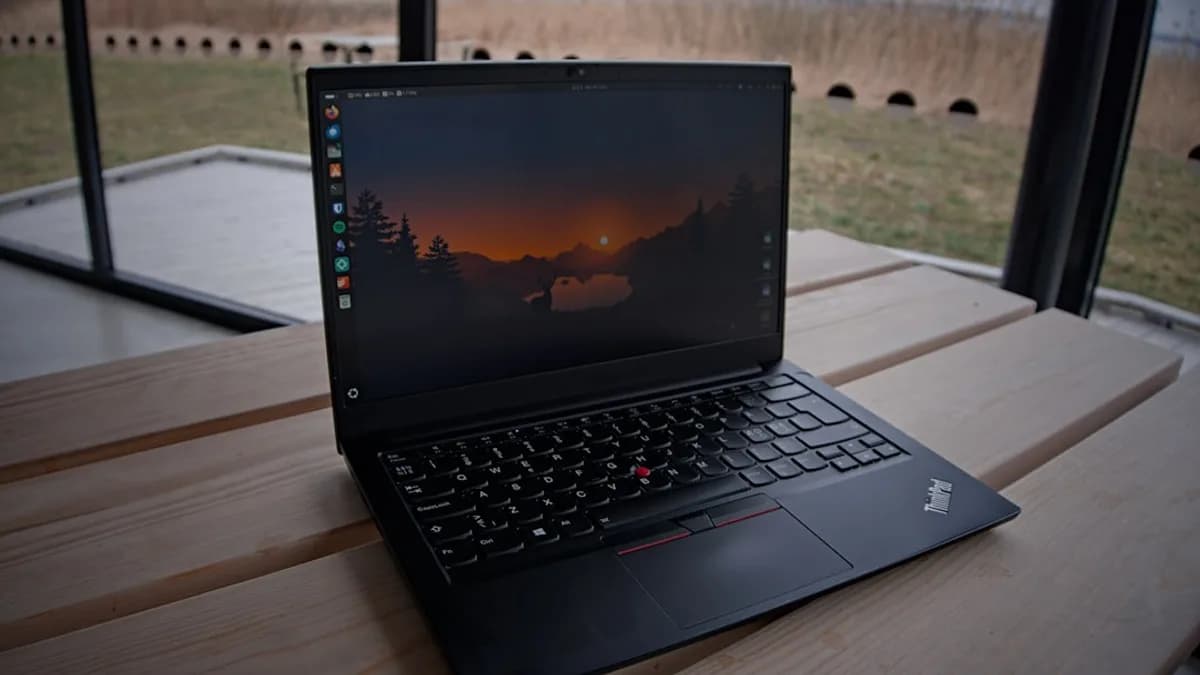
Why Lenovo’s Affordable 16-Inch ThinkPad E16 Gen 3 Challenges Premium Laptop Norms
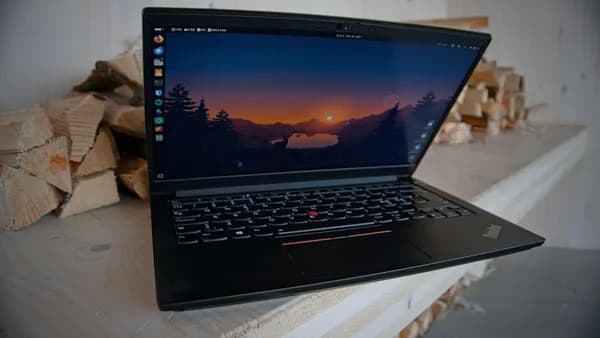
Lenovo just dropped a 16-inch ThinkPad with a 120 Hz display and an Intel Lunar Lake chip—at a price point that undercuts most rivals. That combination has been rare in the business laptop world, where high-refresh panels typically stay locked behind four-figure price tags. By pushing the ThinkPad E16 Gen 3 to international markets, Lenovo signals a willingness to disrupt expectations around what a large-screen, feature-rich business laptop should cost. The move could reset the baseline for what entry-level business buyers demand from their next machine, especially as remote and hybrid workforces insist on both screen real estate and smoother visuals.
The biggest surprise isn’t just the screen—it’s that Lenovo pairs this with up-to-date silicon and a battery that, on paper, matches much pricier models. The E16 Gen 3 isn’t for ThinkPad purists chasing magnesium-alloy builds or top-tier security modules, but it could grab attention from IT managers and freelancers who previously had to compromise on either display quality or price. As Notebookcheck reports, Lenovo’s strategy here is clear: make the “big ThinkPad” experience more democratic.
Breaking Down the ThinkPad E16 Gen 3’s Hardware: Performance Meets Practicality
The ThinkPad E16 Gen 3’s most notable upgrade is its Intel Lunar Lake processor. While Lunar Lake is still fresh in the market, it promises meaningful jumps in both performance and energy efficiency over previous Intel generations. That could translate into snappier multitasking and cooler operation—crucial for a 16-inch chassis that may spend long hours docked or on a desk. But the real-world impact will depend on how well Lenovo integrates this chip, especially given the 60 Wh battery. On paper, that’s a mid-range capacity for a laptop this size; it’s enough for a standard workday if the system is balanced, but not the kind of battery life road warriors expect from ultraportables.
The 120 Hz display is the other headline feature. High-refresh panels have typically been a luxury reserved for gaming or creative-focused devices. Here, it means smoother scrolling, more responsive interactions, and less eye strain during long work sessions—a practical benefit, not just a spec sheet flex. The trade-off: faster displays can draw more power, so battery life could take a hit if users crank up brightness and refresh rates. Still, for spreadsheet jockeys and multitaskers, the leap from 60 Hz to 120 Hz is a quality-of-life upgrade that’s easy to feel.
What’s missing from the sparse source material is detail on panel quality (color, brightness), port selection, upgradability, and build materials. These elements will determine whether the E16 Gen 3 can truly compete with its premium siblings or if it settles as a “good enough” option for cost-conscious buyers.
Market Data and Pricing: How Lenovo Positions the E16 Gen 3 Against Competitors
Lenovo’s release targets buyers priced out of flagship ThinkPads. While the source does not disclose exact pricing, the “cheaper alternative” positioning is explicit. Historically, Lenovo’s E-series undercuts the T- and X-series by hundreds of dollars, sacrificing some of the build and security features while retaining most of the core ThinkPad DNA. That makes the E16 Gen 3 an entry point for businesses that want the ThinkPad badge without the sticker shock.
Direct competitors in the 16-inch segment often charge a premium for high-refresh displays and the latest Intel silicon. By baking both into a more affordable chassis, Lenovo risks cannibalizing its own higher-end models but stands to win share among budget-sensitive SMBs and education buyers. Actual sales data or competitive pricing context isn’t provided, so the true market impact remains speculative—but the intent is clear: Lenovo wants to broaden its base, not just defend its premium turf.
Diverse Stakeholder Perspectives on Lenovo’s Budget 16-Inch ThinkPad Launch
IT departments will see the E16 Gen 3 as a practical fleet option. A large screen, modern processor, and ThinkPad reliability—minus the frills—tick most boxes for standard office deployments. The emphasis on affordability could allow organizations to refresh more seats without blowing up budgets. However, the 60 Wh battery and unknown display quality may raise flags for users who spend long stretches untethered or frequently work in variable lighting conditions.
From a user perspective, the 120 Hz panel is likely to be welcomed, especially by anyone accustomed to choppy scrolling on older hardware. But the long-term value will hinge on durability, thermal performance, and how well the laptop holds up to real-world business abuse. Without hands-on reviews, it’s impossible to gauge if this ThinkPad feels like a “true” ThinkPad or a watered-down cousin.
Industry analysts could see Lenovo’s move as a deliberate effort to set a new baseline for business laptops, signaling that premium features are no longer just for the C-suite. If the E16 Gen 3 succeeds, competitors may have to rethink their segmentation and feature gating.
Tracing Lenovo’s Evolution in the ThinkPad Line: From Premium to Accessible Innovation
Lenovo’s ThinkPad line was once synonymous with high price tags and a rigid focus on professional audiences. Over the past decade, the company has steadily pushed features downmarket—first with the L and E series, now with this E16 Gen 3. The introduction of a 120 Hz display at the entry level is a notable milestone. Previous generations of affordable ThinkPads typically relied on 60 Hz panels and older CPUs, positioning the “latest-and-greatest” as a luxury.
What’s changed is Lenovo’s willingness to blur those lines. By baking headline features into cheaper models, the company signals an understanding that user expectations have evolved. The E16 Gen 3 doesn’t match the flagship T or X series spec-for-spec, but it offers enough to make buyers reconsider what’s essential and what’s just nice to have.
Implications of Lenovo’s E16 Gen 3 for Business Users and the Laptop Industry
For business users, the E16 Gen 3 is a tool built for the realities of hybrid work. The 16-inch, 120 Hz screen is perfect for multitasking and video calls, while the Lunar Lake chip should keep things running smoothly. Affordability means more workers get access to larger, smoother displays, not just executives or power users. If the battery and build hold up, this could become a workhorse for companies standardizing on a single platform.
For the broader industry, Lenovo’s move pressures rivals to rethink how they tier features. If a high-refresh panel can be standard at the entry level, it undermines the rationale for keeping it exclusive to expensive lines. Over time, this could force a rebalancing of price and performance across the segment.
Forecasting the Future: What Lenovo’s Affordable 16-Inch ThinkPad Means for Laptop Innovation
Lenovo’s E16 Gen 3 could be the start of a new norm: premium features trickling down to devices once written off as “good enough.” If the market responds, expect high-refresh displays and up-to-date silicon to become table stakes, not upsell fodder. This would accelerate the commoditization of features that, until recently, drove fat margins at the top end.
What’s still unclear is how Lenovo will handle battery life, repairability, and long-term durability in this new affordable tier. If those hold up, the E16 Gen 3 could be a blueprint for global expansion—especially in education and emerging markets. The industry should watch Lenovo’s next moves: Will it scale this formula to smaller sizes, or double down on making big-screen business laptops the new mainstream? Confirmation will come as reviews trickle in and as competitors decide whether to follow Lenovo’s lead or defend their premium turf.
Why It Matters
- Lenovo is making high-refresh, large-screen business laptops more affordable for international buyers.
- This could push competitors to offer better specs at lower entry-level prices in the business laptop market.
- Freelancers and IT managers now have more options without sacrificing display quality or performance.