Why the iPhone Ultra’s Bold Design Could Redefine Smartphone Expectations
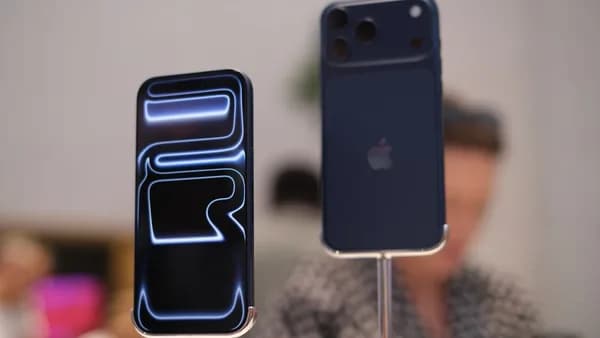
Apple rarely courts controversy with hardware, but the leaked iPhone Ultra dummy unit isn’t just a bigger iPhone—it’s a direct challenge to the industry’s obsession with slim, elegant devices. The dummy, shown off from multiple angles in a new hands-on video, flaunts a blocky, rugged silhouette that feels more outdoor gear than status symbol. This isn’t Apple’s usual playbook.
The design, which echoes the unconventional Huawei Pura X Max, signals a deliberate pivot. Apple appears ready to sacrifice sleekness for durability, grip, and perhaps battery heft—traits that rarely top the priority list in Cupertino’s previous launches. The iPhone Ultra’s thick chassis and pronounced camera bump look built for abuse, not just Instagram flexing.
Why now? Apple’s motivation likely runs deeper than aesthetics. Smartphone fatigue is real: consumers upgrade less often, and incremental changes in display or camera tech barely move the needle. A radical form factor could spark new demand, especially among the growing cohort of users who treat their phones as essential tools in harsh environments. The Ultra’s design hints at catering to field professionals, adventurers, or anyone tired of fragile glass sandwiches.
Apple’s willingness to redefine the iPhone’s physical identity could force rivals to rethink their own offerings. If the Ultra succeeds, it may break the industry’s fixation with wafer-thin devices—ushering in an era where ruggedness and ergonomics matter just as much as specs. The dummy unit might be a harbinger, not an outlier, as Gsmarena details.
Dissecting the iPhone Ultra Dummy Unit: What the Numbers Reveal About Its Size and Build
The hands-on video reveals a device that dwarfs previous iPhones, both in physical bulk and perceived weight. While exact measurements vary between leaks, the dummy unit stands out with a thickness reportedly north of 10mm—nearly double the svelte 6.1mm of the iPhone 15 Pro. The Ultra’s width and height seem closer to the iPhone 15 Pro Max, but the overall footprint is chunkier.
Stacked against the Huawei Pura X Max, the Ultra still feels less streamlined. The Pura X Max measures 8.1mm thick and weighs 226g, while rumors suggest the Ultra could tip toward 250g or even higher if Apple opts for premium materials and larger batteries. The dummy’s camera module is massive, hinting at either advanced optics or simply more rugged housing. Early comparisons show that the Ultra’s camera bump protrudes nearly 5mm—more than any previous Apple phone.
Discrepancies in dummy measurements are common at this stage: some units appear wider, others slightly taller, and none match Apple’s usual precision. These variations could mean Apple is still iterating on the design, or that the dummy is meant to exaggerate certain features for impact. Either way, the scale and heft are unmistakable. If Apple launches a device this size, it will redefine what “premium” means—no longer synonymous with “thin and light.”
Diverse Industry and Consumer Reactions to Apple’s New Ultra Model Design
The response from the tech community has been polarized. Analysts see opportunity: a rugged iPhone could appeal to the 30 million Americans who work in construction, manufacturing, or field services, as well as the booming outdoor recreation market. Apple enthusiasts, however, are split. Some praise the Ultra’s “tool-like” aesthetic, arguing it aligns with the Apple Watch Ultra’s success among hikers and divers. Others complain the design looks “un-Apple,” fearing it will alienate mainstream buyers who expect elegance and pocketability.
Usability concerns dominate the discourse. Critics question whether the Ultra’s size will make one-handed operation impossible, limit portability, or deter buyers who prioritize comfort. Weight is a major sticking point: if the phone exceeds 250g, it will be one of the heaviest flagships on the market. That could spark backlash, especially in markets like Japan and Europe where compact devices still sell.
Yet niche markets may embrace the Ultra. Professionals who need reliable devices in extreme conditions—think geologists, emergency responders, or photographers—could see it as a long-overdue upgrade. Apple has flirted with rugged devices before (the Watch Ultra and iPhone 12’s Ceramic Shield), but never on this scale. If the Ultra delivers superior battery life, durability, and camera performance, it may carve out a new premium segment—one that Samsung’s Galaxy XCover and CAT phones have failed to dominate.
Tracing Apple’s Evolution: How the iPhone Ultra Fits Into the Brand’s Design History
Apple’s design history is a pendulum: from the original iPhone’s rounded minimalism to the sharp edges of the iPhone 4, then back to sleek curves in recent generations. The “Pro” and “Max” models have always signaled bigger screens and better cameras, but not a fundamental shift in physical philosophy. The rumored Ultra is different.
The last time Apple made such a leap was the iPhone X, which killed the home button and launched the notch. It sparked copycats and set industry design agendas for years. More recently, the Apple Watch Ultra’s chunky build and orange accents proved Apple could win with a rugged aesthetic—sales reportedly outpaced expectations, with over 10 million units shipped in its first year.
Competitive pressure is mounting. Huawei’s Pura X Max, Samsung’s Galaxy S Ultra series, and niche rugged phones have eaten away at Apple’s dominance in markets that value durability. The Ultra form factor suggests Apple is responding not just to consumer demand, but to a shift in where smartphones are actually used. Emerging markets, enterprise buyers, and outdoor enthusiasts want devices that survive drops and weather, not just look good on a coffee table.
If Apple follows through with this design, it will mark a departure from luxury minimalism toward functional toughness. The company’s history shows that such shifts, when executed well, redefine the industry’s priorities—not just Apple’s.
What the iPhone Ultra’s Design Means for Smartphone Users and the Industry’s Future
A bulkier, more rugged iPhone could shake up user habits and accessory markets overnight. If Apple moves ahead with this design, cases and screen protectors will need to adapt—thicker, more angular form factors require reengineering. Accessory makers could see a boom in demand for holsters, mounts, and rugged gear, echoing trends seen after the Watch Ultra launch.
Repairability is another wild card. Apple has been criticized for making devices difficult to repair, but a thicker chassis could allow for modular components or easier battery swaps. That would please both repair shops and environmentally conscious buyers, who increasingly demand longer device lifespans.
User experience will change. The Ultra’s size may mean two-handed operation becomes default, but it could also boost battery life (larger cells fit in bigger bodies) and thermal performance—key for pro users who push their phones with 4K video or intensive apps. If this design signals a broader trend, expect rivals to target specialized markets: phones for mountain climbers, rescue workers, even underwater explorers.
Apple’s move could spark a new era of “purpose-built” smartphones, where form follows function rather than designer whim. That would be a dramatic shift from the past decade, dominated by ever-thinner, ever-glossier slabs.
Predicting the iPhone Ultra’s Market Impact and Apple’s Next Moves in Smartphone Innovation
If Apple actually ships an iPhone Ultra close to the dummy unit shown in recent leaks, expect initial sales to be strong among professionals and enthusiasts, but tepid among mainstream buyers. The Watch Ultra’s trajectory is instructive: it sold 10 million units in its first year, but never threatened the standard Apple Watch’s dominance.
Forecasts suggest the Ultra could capture up to 8-10% of iPhone sales in its launch year—roughly 20 million units, if Apple maintains current volumes. That’s enough to justify the experiment, but not to dethrone the flagship line. Apple’s marketing will likely emphasize durability, battery life, and niche capabilities (satellite connectivity, advanced camera features), targeting high-value segments.
Competitors won’t sit still. Samsung and Huawei already have rugged models, but Apple’s entry could force them to invest in design and materials. Expect a wave of “pro-grade” phones from rivals, many targeting enterprise and outdoor markets.
As for Apple’s next moves? If the Ultra succeeds, expect a family of specialized iPhones: smaller rugged models, ultra-light pro devices, maybe even modular phones. The days of one-size-fits-all iPhones may be ending. Apple’s willingness to experiment with form factor could unlock new markets—and force the rest of the industry to catch up, or risk irrelevance.
Why It Matters
- Apple’s shift to rugged design challenges industry norms focused on slimness.
- The iPhone Ultra could appeal to users needing durability for harsh environments.
- If successful, the Ultra may push competitors to prioritize ergonomics and toughness.