Why Apple’s iPhone 18 Pro Display Redesign Signals a Major Shift in Smartphone Innovation
Apple’s leaked iPhone 18 Pro CAD files expose a move that could upend smartphone interface expectations: after years of incremental tweaks, Cupertino is shrinking the Dynamic Island by up to 35%. The timing is critical. This isn’t just a cosmetic update, but Apple’s first substantial display redesign since the iPhone 14 Pro, setting the stage for a decade-defining shift in how users interact with their devices, according to Notebookcheck.
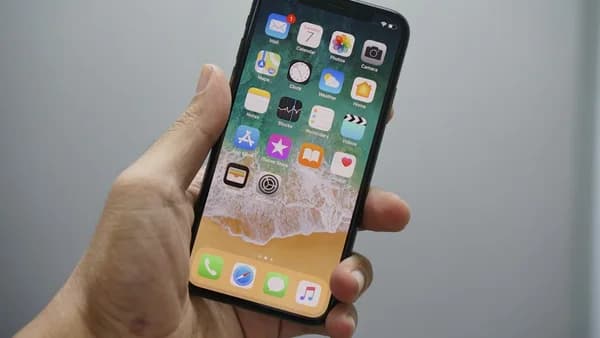
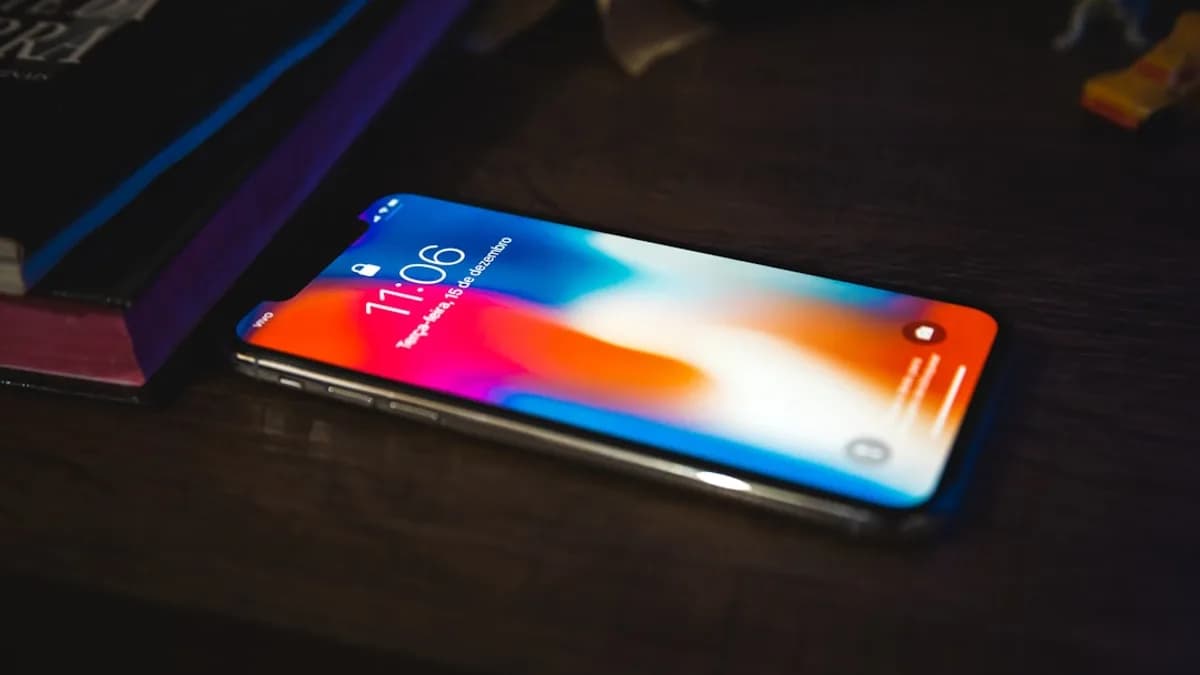
The Dynamic Island—Apple’s replacement for the notch—was introduced as a multifunctional overlay, blending hardware and software into one fluid notification and interaction hub. Shrinking it by a quarter or more fundamentally changes the interface: more screen real estate means less intrusive overlays, and a tighter integration of Face ID and selfie camera hardware signals Apple’s intent to minimize the visible footprint of security and imaging tech. For a company obsessed with “all-screen” purity, this redesign is less about aesthetics and more about laying groundwork to erase hardware boundaries entirely.
Viewed through Apple’s broader strategy, the iPhone 18 Pro isn’t just a one-off. It’s a measured step towards the rumored iPhone 20—an all-screen device with no notches, punch-holes, or islands. Apple is not racing to remove the Dynamic Island, but methodically shrinking it, proving out new camera arrays, and refining under-display technology. Every millimeter reclaimed is a calculated bet on user acceptance, engineering feasibility, and the patience to outlast competitors who often rush to “full-screen” but stumble on reliability or privacy.
Breaking Down the Numbers: What the iPhone 18 Pro’s Display Specs Reveal About Apple’s Technology Evolution
The leaked CAD renders show a Dynamic Island that’s 25-35% smaller than on the iPhone 15 Pro and 14 Pro. On current models, the Island measures about 7mm tall and 33mm wide; the iPhone 18 Pro will reportedly drop to roughly 5mm by 22mm. That’s not just a marginal trim—it’s a space-saving leap on par with the notch reduction that marked the jump from iPhone X to iPhone 13.
Shrinking the Island isn’t trivial. Apple’s approach demands a new 24MP Face ID and selfie camera array, up from the 12MP unit used since the iPhone 11. Packing more pixels into a smaller module requires advanced sensor stacking, tighter lens tolerances, and improved light management. The higher resolution hints at better low-light performance and sharper selfies, but also a more robust Face ID that can operate reliably with less visible hardware. Apple’s supply chain is likely sourcing new sensor tech from Sony or Samsung, both of whom have recently pushed multi-layer sensor designs that allow for higher resolution and faster readout in compact spaces.
Comparing to previous generations, the iPhone 14 Pro’s camera array occupied around 40% of the notch area, while Face ID modules took up another 35%. With the iPhone 18 Pro, those components are compressed to less than 60% of their former footprint, freeing up space for the OLED display to stretch closer to the phone’s top edge. Apple’s historical challenge has always been balancing security and display purity—Face ID must be accurate and fast, but any compromise in depth sensing or camera placement risks user trust.
This redesign is more than just a win for aesthetics. It’s Apple’s bet that users will accept tiny visible hardware if it means more immersive content and cleaner interfaces. The leap from 12MP to 24MP for selfies also positions Apple to catch up with Android rivals like Samsung’s Galaxy S24 Ultra, which touts a 40MP front camera but struggles with consistency due to its punch-hole placement.
Stakeholder Perspectives: How Consumers, Developers, and Industry Experts View the iPhone 18 Pro Leak
Consumers have long complained about intrusive notches and islands, but their patience for display innovations depends on tangible benefits. Early reactions to the leak show excitement about the cleaner look and skepticism about whether a smaller Dynamic Island will make notification interactions harder. Apple’s challenge is clear: users want more screen, but they aren’t willing to sacrifice Face ID reliability—a lesson from the lukewarm reception to Android’s under-display cameras, which often deliver blurry selfies and sluggish unlocking.
Developers see opportunity and uncertainty. A smaller Dynamic Island means more space for apps, but also a tighter squeeze for UI elements tied to the overlay. Apple’s UIKit and SwiftUI frameworks will need updates; interactive widgets and live activities may require new layouts to avoid accidental touches. The company’s track record suggests it will push developers to optimize for the new design, as it did with the initial Dynamic Island launch in 2022, forcing rapid adaptation for notification banners and multitasking tools.
Industry analysts view the leak as evidence of Apple’s slow-burn approach to innovation. For years, Samsung, Xiaomi, and Oppo have trumpeted “full-screen” phones, but often at the cost of camera quality or security. Apple’s incremental shrinkage signals a willingness to wait until the tech is mature. Counterpoint Research notes that Apple’s iPhone 15 Pro sales grew 14% year-over-year despite minimal hardware changes, underscoring the value of measured, trustworthy upgrades over flashy, unreliable ones.
Tracing Apple’s Display Innovations: From iPhone 14 Pro to the Anticipated All-Screen iPhone 20
The iPhone 14 Pro’s Dynamic Island marked Apple’s first real step away from the static notch, merging software and hardware into a unified notification and control panel. The iPhone 15 Pro refined this further, with enhanced animations and broader third-party app support. But the hardware footprint remained largely unchanged.
Shrinking the Dynamic Island for the iPhone 18 Pro is the most aggressive move since the notch was first introduced on the iPhone X in 2017. Apple’s journey has been defined by incremental wins: every reduction in camera module size, every improvement in Face ID accuracy, and every step toward minimizing bezels. The company’s reluctance to adopt under-display cameras stems from privacy and reliability concerns; previous attempts by Android vendors have resulted in poor image quality and inconsistent biometric performance.
Historical challenges have shaped Apple’s display strategy. Face ID, launched with the iPhone X, required a complex array of infrared sensors, dot projectors, and flood illuminators. Early attempts to shrink this hardware led to delays and supply chain headaches. The iPhone 13’s smaller notch was only possible after Apple redesigned the earpiece speaker and re-engineered sensor placement. The iPhone 18 Pro’s compact array is another test: can Apple maintain its gold-standard biometric security while pushing closer to “all-screen”?
The anticipated iPhone 20 is rumored to feature true under-display Face ID and camera modules—a feat that would require not just hardware breakthroughs, but a leap forward in display transparency and sensor calibration. Apple’s methodical approach, seen in the slow reduction of visible hardware, suggests it will only make this jump when it can guarantee performance and privacy.
What the iPhone 18 Pro’s Design Changes Mean for Smartphone Industry Trends and User Experience
Apple’s redesign will spark fresh competition among smartphone makers. The Dynamic Island’s shrinkage is likely to push Samsung, Google, and Xiaomi to revisit their own display cutouts and under-display camera designs. Historically, Android OEMs have rushed to “full-screen” solutions, but user feedback has often highlighted trade-offs in camera quality and facial recognition reliability.
For app designers, the implications are immediate. A smaller Dynamic Island means more usable screen space, but also new constraints for notifications and quick actions. Content consumption—especially video and gaming—stands to benefit, with less obstruction at the top of the display. Apple’s push toward minimal bezels and tighter integration of hardware and software will force developers to rethink layouts, touch targets, and immersive modes. Expect Apple to update its Human Interface Guidelines with new recommendations for utilizing reclaimed screen real estate.
Industry-wide, the trend is clear: users want displays that fade into the background, with hardware features barely visible. Apple’s measured approach contrasts with the rapid, sometimes reckless, innovation seen in Android. The iPhone 18 Pro’s redesign will likely set a new standard for balancing hardware minimalism with functional reliability, encouraging competitors to re-evaluate their own priorities.
Predicting the Road Ahead: How the iPhone 18 Pro Sets the Stage for the Future of Mobile Technology
The iPhone 18 Pro’s compact Dynamic Island and upgraded camera array aren’t just incremental steps—they’re Apple’s final rehearsal before launching an all-screen device. By 2026, when the iPhone 20 is expected, Apple will have tested user acceptance, refined under-display sensor technology, and proven its ability to deliver reliable Face ID and camera performance without visible hardware.
Expect Apple to introduce under-panel Face ID and camera modules, leveraging advancements in OLED transparency and sensor stacking. But the company will likely hold off until it can guarantee parity with current performance. Supply chain data suggests Apple is investing heavily in micro-optics and multi-layer sensor arrays, technologies that could enable fully hidden hardware by 2026.
The challenge will be balancing design purity with user trust. Privacy concerns are likely to intensify as hardware disappears; Apple’s marketing will need to reassure users that security hasn’t been compromised. Functionality must remain seamless—Face ID and selfies need to work as reliably as ever, or users will push back. If Apple succeeds, it will define the industry’s next decade. If it stumbles, rivals may seize the opportunity to set their own standards.
The leaked iPhone 18 Pro files don’t just reveal a cosmetic tweak, but a strategic pivot. Apple is betting that the future belongs to devices where hardware fades away, leaving only the content and the user’s experience. The next two years will determine whether that bet pays off—watch for Apple’s supply chain moves, developer tooling updates, and user feedback as the company races toward the all-screen threshold.
Why It Matters
- Apple's redesign of the Dynamic Island could redefine user interaction and interface standards for smartphones.
- Reducing hardware visibility is a step towards truly ‘all-screen’ devices, influencing industry-wide design trends.
- The leak gives consumers and competitors early insight into Apple’s strategic direction and technological priorities.