iPhone 16e: A Mid-Tier Device That Fails to Move the Needle
Apple’s iPhone 16e sits in the market like a placeholder: acceptable, but nowhere close to disruptive. Last year’s $599 debut drew modest attention, and this year’s refresh—A19 chipset, extra storage, MagSafe—did little to alter the equation. The 16e is, by every measure, an incremental update sold at an incremental price. Decent sales numbers aren’t the same as winning new hearts, and the 16e hasn’t sparked a migration from Android, nor has it become a must-have for price-conscious buyers. If anything, it underscores Apple’s current strategy: play it safe, avoid cannibalizing the flagship, and keep the margins steady.
According to 9to5Mac, the iPhone 16e’s upgrades have not changed its market positioning. It’s an okay phone at an okay price. That may keep loyalists in the fold, but it does nothing to tempt Android users who demand either breakthrough features or an unbeatable value proposition. The 16e is not the iPhone’s MacBook Neo moment—and that’s Apple’s missed opportunity.
How MacBook Neo Redefined the Rules for PC Switchers
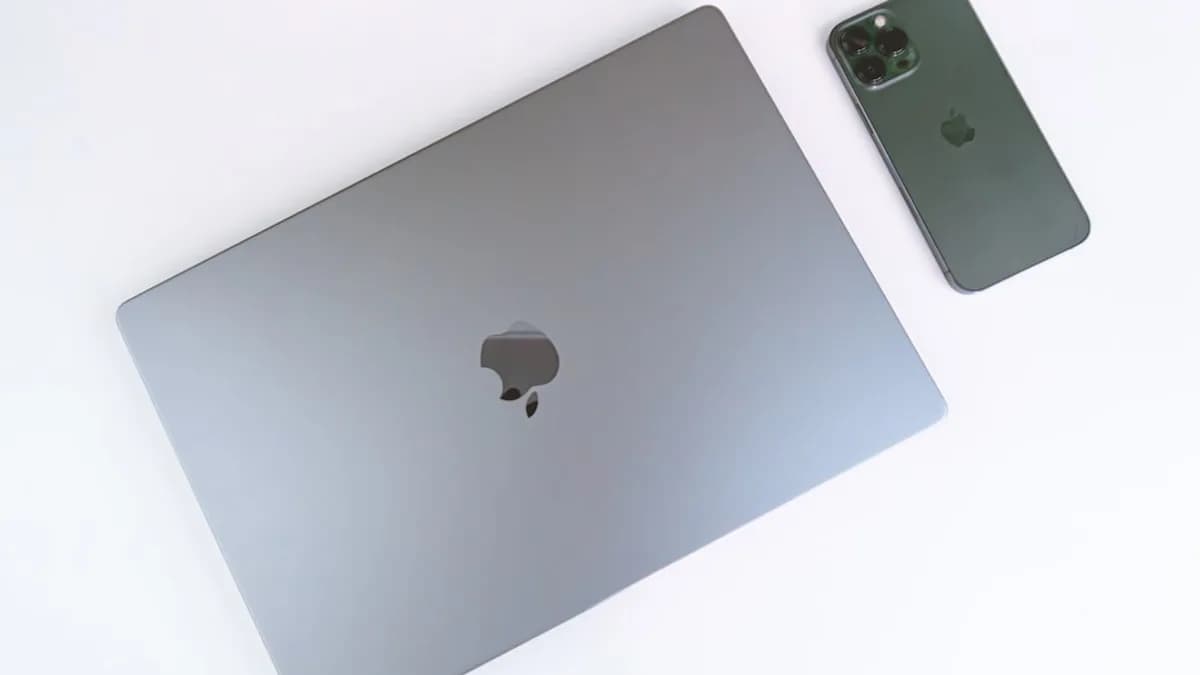
MacBook Neo did what the iPhone 16e has not: it rattled the market and forced users to rethink their loyalties. Apple didn’t just add another button or bump the specs. The Neo delivered a step-change—melding performance, design, and price in a way that made switching from PC not just rational, but desirable. The appeal wasn’t just about specs. It was about experience. MacBook Neo took the best of Apple’s ecosystem and made it accessible to a new tier of users.
The result? A wave of PC users willing to cross the aisle. The Neo didn’t just sell units—it unlocked new market share for Apple, expanding the audience and strengthening the brand’s gravitational pull. This is the blueprint: lower the barrier, raise the stakes, and offer something that feels genuinely new. MacBook Neo worked because it didn’t feel like a compromise. It felt like a smart bet on the future.
That’s the playbook missing from the iPhone 16e. While the Neo created buzz and conversion, the 16e is just another box on the shelf. Apple already knows how to engineer a market-shaking product. The question is, why isn’t it doing that in phones?
The Missed Opportunity: iPhone’s Untapped ‘Neo’ Moment
Apple’s reluctance to create a true iPhone Neo is costing it the one thing it can’t buy: cultural momentum among Android users. The mid-tier smartphone segment is Apple’s soft underbelly—big enough to matter, stagnant enough to ignore. But that’s exactly where the MacBook Neo succeeded, and where a bold iPhone could do the same.
What would it take? Not another spec bump, but a device that rethinks what a $400–$500 iPhone can be. Imagine a phone with the latest A-series chip, battery life that embarrasses the competition, a camera that holds its own against flagships, and enough Apple-only features to lock in loyalty. Price it to make Android switchers hesitate. Make it feel like a provocation, not a compromise.
This isn’t just about moving units. A breakthrough iPhone at the right price could be Apple’s wedge into markets it doesn’t dominate, converting not just buyers but entire households. The MacBook Neo’s success wasn’t just in sales, but in ecosystem pull—get someone in the door with value, then keep them with integration. The iPhone 16e doesn’t do that. A true Neo-inspired iPhone could.
The Risks and Realities of Reinventing the iPhone
Bold moves come with real costs. Launching a radically redesigned, more affordable iPhone would mean risking margin dilution and internal product cannibalization—anathema to Apple’s current product segmentation. There’s also the chance that a cheaper, different iPhone would alienate core buyers who see the brand as a premium badge. Apple’s methodical, incremental evolution has kept it on top for a reason. Disruption could break as easily as it builds.
There’s also no guarantee that Android users would flock to an iPhone Neo. Brand loyalty, ecosystem lock-in, and feature preferences run deep—sometimes deeper than any price cut can reach. Apple has spent years curating a premium image. A radical mid-tier iPhone could confuse the narrative and undermine the flagship’s allure.
Still, sticking to the status quo guarantees stasis. The iPhone 16e’s “good enough” approach delivers predictability, not passion. The risk isn’t just in changing too much—it’s also in changing too little.
Apple’s Crossroads: Why It Needs a Bold iPhone Now
Apple has never been a company that plays only for safe singles. The time to swing for the fences in smartphones has come again. If Apple wants to reignite interest, capture new users, and restore the iPhone’s reputation as a category leader, it needs to stop thinking in increments and start thinking in inflections.
A true iPhone Neo—priced to tempt, designed to wow, and built to convert—could be the device that redefines the market, just as MacBook Neo did for PCs. Apple doesn’t need another ‘okay’ phone. It needs a declaration of intent. The only real question is whether Cupertino still has the appetite for risk, or if it’s content to let this moment pass.
The world doesn’t need another iPhone 16e. It needs an iPhone worth switching for. The clock is ticking.
The Bottom Line
- Apple's strategy with iPhone 16e signals caution and prioritizes steady margins over innovation.
- MacBook Neo shows that breakthrough products can drive market share and attract new users.
- Without a disruptive iPhone, Apple risks missing out on potential Android switchers and growth.