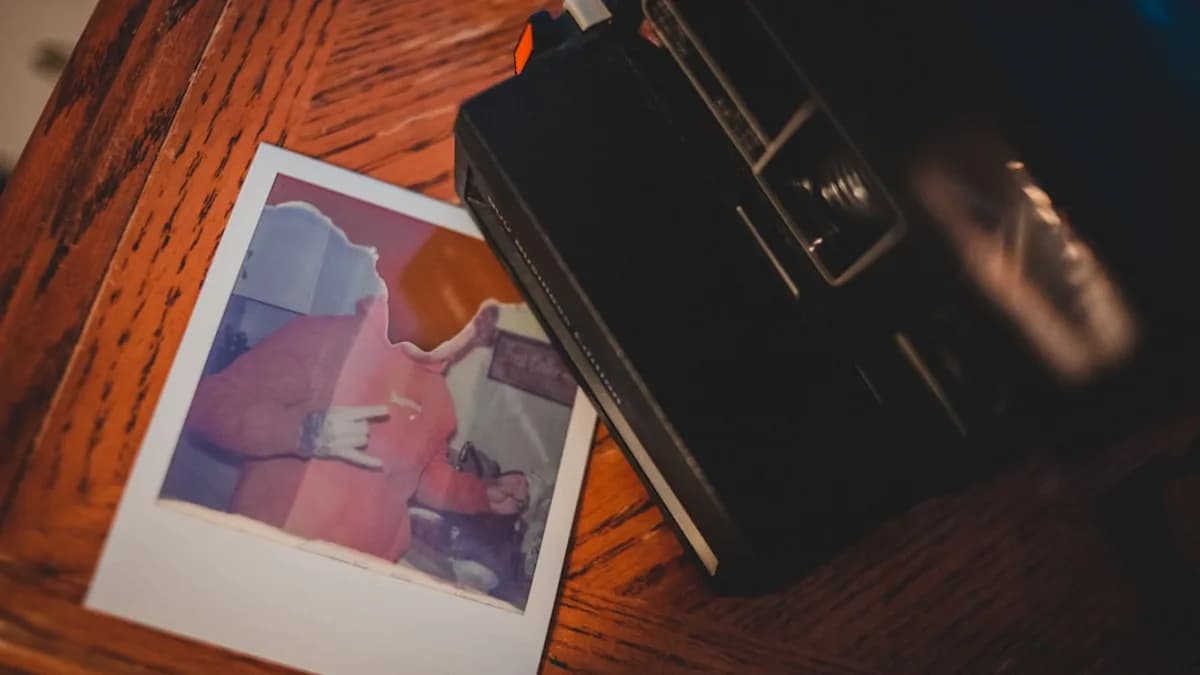
Why Analog Instant Cameras Like the Instax Wide 400 Still Captivate in a Digital Age
Instant film refuses to fade, even as AI and smartphones swallow up the rest of consumer photography. The Instax Wide 400 steps into a world where every image can be generated, filtered, and forgotten in seconds. Yet, analog instant cameras aren’t just surviving—they’re gaining ground, their appeal stoked by nostalgia and the novelty of the physical photo, according to TechCrunch.
People crave what pixels can’t provide: the anticipation as a picture slowly develops, the tactile satisfaction of holding a print, the imperfections that make each shot unique. There’s a ritual to instant photography—a physicality and unpredictability that digital has all but erased. For many, the act of snapping a photo, waiting for it to emerge, and handing it to a friend is more memorable than any Instagram story.
The Instax Wide 400 isn’t just trading on retro vibes. It’s tapping into a hunger for connection, artifact, and fun—qualities that pixels alone can’t deliver.
What Makes the Instax Wide 400 Stand Out Among Instant Cameras
“Builds on instant photography’s simplicity and stretches it, literally.” The TechCrunch description is terse but revealing. The Instax Wide 400 doubles down on what makes instant cameras irresistible: streamlined operation and a format that’s physically larger than its peers.
The “Wide” in the name signals a break from the tiny prints most instant cameras produce. While the source doesn’t specify dimensions, the implication is clear: the prints are bigger, making them harder to lose and more satisfying to share or display. The 400 model keeps things simple, resisting the bloat of menus, filters, and digital distraction. That simplicity is the selling point—point, shoot, and out comes an analog snapshot, no editing required.
Analysis: The camera’s wide-format focus is likely aimed at people who want a more substantial keepsake or a group shot that isn’t cramped by a miniature frame. This literal stretching of the image space also speaks to a market that values both retro authenticity and something you can actually hang on a wall.
What remains unclear: Details about the Instax Wide 400’s controls, build materials, or extra features aren’t in the source. All we know is that “simplicity” is the guiding principle, with the wide format as its headline differentiator.
How Does Instant Film Technology Work in the Instax Wide 400?
The TechCrunch source doesn’t break down the mechanics, but it’s worth noting: the magic of instant film is in the chemistry and the engineering. You press the shutter, light hits the film, and then the exposed sheet passes through rollers, spreading developing chemicals that reveal the image.
Here’s what we can infer from the Instax Wide 400’s positioning. There’s no digital sensor, no cloud backup—just a chemical process and a physical artifact at the end. The user’s role is minimal: frame, shoot, and wait. That “simplicity” is core to the experience and the appeal.
What’s missing: The source doesn’t confirm any technical specs or innovations in the Instax Wide 400’s development process. If there’s anything new under the hood, it isn’t spelled out in the available information.
What Are the Practical Benefits and Creative Opportunities of Using the Instax Wide 400?
Why bother with instant film when digital offers endless storage and instant sharing? Because, as TechCrunch stresses, novelty and nostalgia are powerful. The Instax Wide 400 promises physical photos that aren’t just files—they’re gifts, memories, and conversation starters.
Analysis: The wide format likely enables more creative compositions—think group shots where no one’s squeezed out, or landscapes that don’t get cropped to a square. The physical print can be handed over in real time, pinned to a wall, or slipped into a notebook. Each shot is unique, with no do-overs or retouching. That imperfection is part of the charm.
What’s unknown: The source doesn’t detail how users are actually putting the Instax Wide 400 to work—whether it’s for events, journaling, or just for fun. We also don’t know if the camera supports any add-on features or creative tricks.
How Does the Instax Wide 400 Compare to Other Instant Cameras and Digital Alternatives?
The TechCrunch piece doesn’t provide a direct comparison, but some inferences are fair. The Instax Wide 400 distinguishes itself by “stretching” the format—delivering prints that, by implication, stand apart from the smaller, wallet-sized photos typical of other instant cameras.
That alone positions it differently from digital instant printers or smartphone shooters, where images are small, disposable, and endlessly repeatable. The Instax Wide 400 is betting that people want something tangible and sizable. But the trade-off is also clear: analog means you get one shot per print, with no second chances.
What we can’t say: The source doesn’t touch on cost, film availability, or how the Instax Wide 400’s image quality measures up to rivals. Anyone weighing options will need more data.
What We Know, Why It Matters, What Is Still Unclear, and What To Watch
What we know: The Instax Wide 400 embraces analog simplicity and expands the instant film format—literally. Its appeal is anchored in nostalgia and novelty, not digital convenience.
Why it matters: In a time when AI and digital tools can manufacture any image in seconds, demand for physical, imperfect, immediate photos is surging. The Instax Wide 400 is a bet on the continued power of tangible experiences.
What’s still unclear: Nearly everything else. We don’t have technical specs, price, or hands-on impressions. There’s no insight into how the camera fits into the broader instant film market, or what—if anything—makes it unique beyond its format.
What to watch: If the Instax Wide 400 succeeds, it may signal that analog’s comeback isn’t just nostalgia—it’s a real counter-trend to digital overload. Watch to see if the market embraces larger, simpler instant cameras, or if the novelty fades.
Forward-Looking Takeaways
The Instax Wide 400’s biggest promise is a larger, simpler instant photo—no screens, no edits, just real prints in your hand. For anyone burned out on pixels, that’s a compelling pitch. But with so little information released, the real test will be in the hands of users. Keep an eye out for early reviews, real-world use cases, and whether the hunger for analog simplicity is as deep as nostalgia suggests.
Key Takeaways
- The Instax Wide 400 offers larger, more shareable prints compared to standard instant cameras.
- Its simplicity appeals to those seeking a break from digital complexity and instant gratification.
- Analog instant photography provides a unique, memorable experience that digital photos can’t replicate.