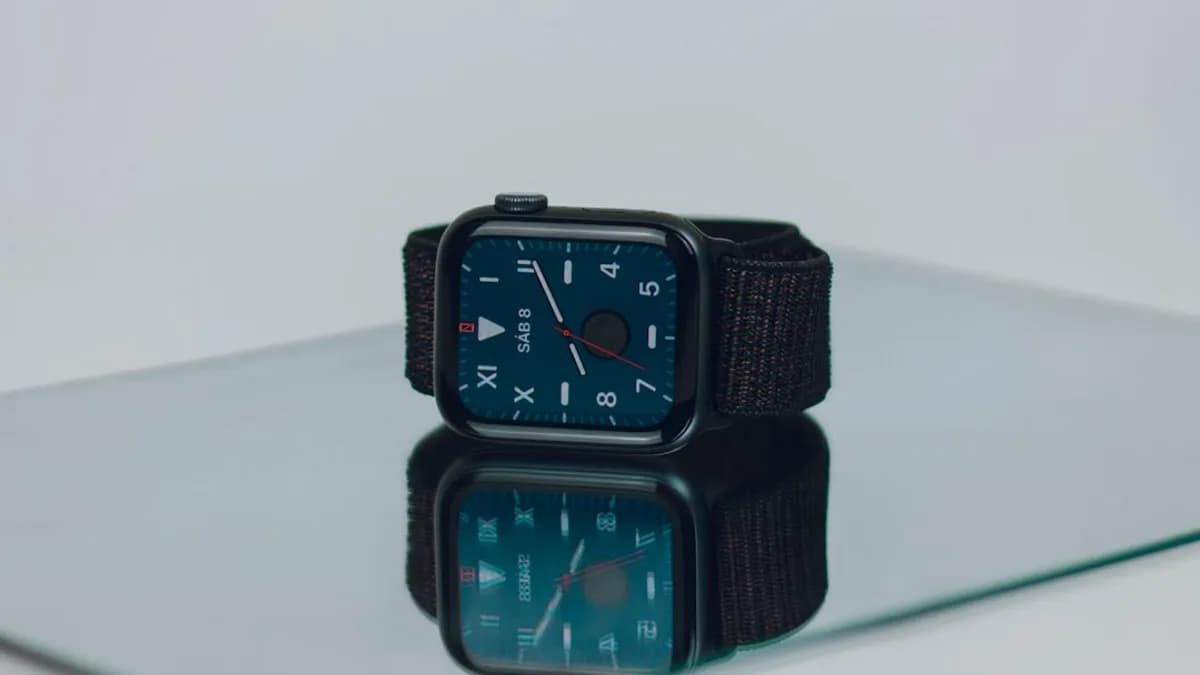
Huawei’s Design Break: Curved Glass, Distinct Intent
Huawei isn’t just launching another wearable—it’s signaling a shift. The Watch Fit 5 Pro drops the flat glass face that defined its predecessor for a pronounced 2.5D curve, all while keeping sapphire crystal on the front. This isn’t just aesthetic. A curved crystal surface changes how a smartwatch feels to the touch and potentially boosts its scratch resistance. While the Watch Fit line has always owed a visual debt to the Apple Watch, this year’s update marks an effort to forge its own path, with differences that go beyond mere color swaps.
The Pro comes in Orange, White, and Black—standard fare for wearables, but the inclusion of a vibrant orange fabric strap shows Huawei is targeting buyers who want more than monochrome minimalism. The fabric strap in the review unit isn’t just a style play; it signals attention to comfort and all-day wear. There’s a subtle message here: Huawei wants to be seen as both a design leader and a practical choice for those who actually use their smartwatch for fitness, not just as a notification mirror. Gsmarena
Hardware and Pricing: Is the Fit 5 Pro Worth £250?
At £250, the Watch Fit 5 Pro enters the mid-range smartwatch bracket. The box includes the watch, the color-coordinated strap, and a universal wireless charging puck. Less impressive: that charging puck still terminates in USB-A, a detail that feels dated when most new devices ship with USB-C. For buyers with newer laptops or power bricks, this means carrying an adapter or digging up legacy chargers—an odd friction point for a “Pro” device.
The hardware story leans on materials. Sapphire crystal is a premium touch, especially at this price. The move to curved glass and a fabric strap suggests Huawei is betting on both durability and comfort. The source doesn’t detail the rest of the chassis, so it’s unclear if the case is aluminum, steel, or another material—meaning the true premium feel remains to be judged in hand. Without more hardware specs, it’s tough to say if the Fit 5 Pro justifies its price against rivals, but the focus on glass quality and strap options is a clear play for perceived value.
Performance and Battery: What’s Missing
Here’s what we don’t know: actual performance, battery life, or charging times. The source skips these metrics entirely. That leaves a gap for buyers who care about real-world stamina, fitness tracking accuracy, or how fast the watch tops up. Without this data, comparisons to the Watch Fit 4 Pro or direct competitors stall out. There’s also no mention of unique sensors, software features, or fitness tracking innovations that might distinguish this model.
MLXIO analysis: This omission is glaring because battery longevity and health metrics are key selling points for most smartwatch buyers. The presence of universal wireless charging is positive, but the lack of USB-C undercuts the modernity message.
Stakeholder Perspectives: Signals, Not Noise
Consumer-facing signals from Huawei are clear: the range of colors, a “nice” fabric strap, and premium glass all aim to position the Fit 5 Pro as both fashionable and functional. The company’s packaging and hardware choices suggest it’s courting both fitness fans and style-conscious buyers. There’s no direct quote from Huawei or industry experts in the source, so we don’t get the company’s explicit vision or any critical market analysis.
MLXIO inference: By sticking close to the Apple Watch design language yet emphasizing subtle changes, Huawei seems to be threading a needle—appealing to those who appreciate Apple’s aesthetic but want something distinct (or are shut out of iOS compatibility).
The Evolution: What’s Actually New from Fit 4 Pro to Fit 5 Pro
The headline change is the 2.5D curved sapphire crystal, a break from the flat glass of the Fit 4 Pro. This marks a move toward greater visual differentiation—Huawei’s way of saying it’s no longer content to be seen as an imitator. Other changes, like strap options and colorways, reinforce a push toward personalization. The source doesn’t mention major software or sensor upgrades, so if those exist, they remain under wraps.
Incremental innovation is the theme here. There’s no radical redesign, no new form factor, but there is a visible effort to polish and refine—a familiar playbook for maturing lines.
For Buyers: What the Fit 5 Pro Actually Means
Fitness enthusiasts get a device with a focus on materials and wearability—sapphire crystal for protection, fabric straps for comfort. Tech-savvy users might appreciate the wireless charging, even if the USB-A port feels like a relic. For the price-conscious, the value equation is harder to solve without more detail on features, battery, or software support. Compatibility and ecosystem integration are unresolved—without software specifics, it’s impossible to judge how well the Fit 5 Pro plays with Android or iOS, or what app support it offers.
MLXIO takeaway: This launch will likely nudge buyers who care about looks and durability but leaves performance-oriented users waiting for more data.
What’s Next: Signs and Questions for 2024
The Watch Fit 5 Pro hints at a future where mid-range wearables push harder on materials and design, not just sensors or battery specs. Huawei’s choice to stick with USB-A for charging feels like the last gasp of an old standard—watch for USB-C adoption in the next iteration. If the company wants to drive the conversation, it will need to back up design tweaks with concrete improvements in battery life, charging speed, and fitness tracking accuracy.
What to watch: Actual performance reviews, battery life tests, and first-party statements about hardware choices. Confirmation of proprietary features or cross-platform support would either validate this as a category leader or relegate it to “me-too” status. For now, Huawei’s message is clear but incomplete—the Fit 5 Pro is more ambitious in form, but its substance remains to be proven.
The Bottom Line
- Huawei is making design and comfort a priority with its new smartwatch, aiming to differentiate from competitors.
- The Watch Fit 5 Pro’s mid-range £250 price brings premium materials like sapphire crystal to more buyers.
- USB-A charging on a modern 'Pro' device introduces practical inconveniences for users with newer tech setups.