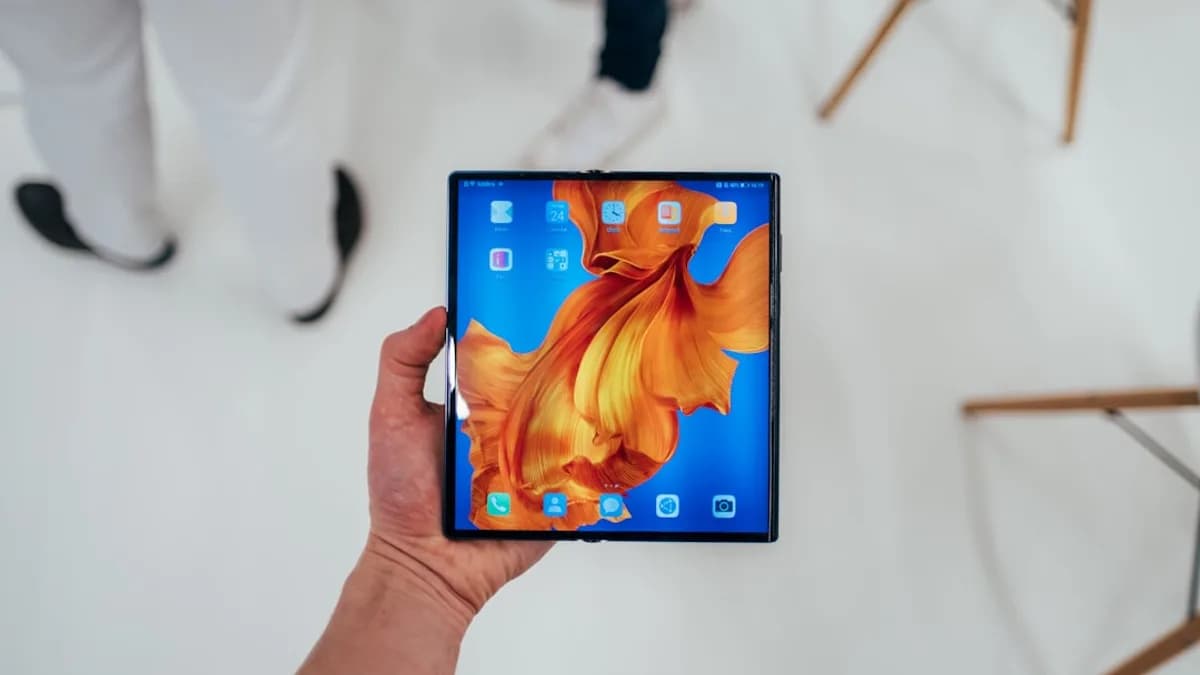
Introduction to Huawei Pura X Max: The First Wide Foldable Phone Available
In a bold move that redefines the race for next-generation mobile devices, Huawei has become the first company to launch a wide-style foldable smartphone—the Pura X Max—leapfrogging tech giants Samsung and Apple. While both rivals have long teased or been rumored to be developing similar devices, Huawei’s new flagship is the first wide foldable actually available for purchase, at least in China. The Pura X Max, with its passport-like folding design, signals a new chapter in smartphone innovation—delivering a form factor that blurs the boundaries between tablet and phone, and arriving ahead of anticipated launches from the world’s two biggest phone makers. For consumers and industry watchers alike, today’s launch isn’t just about a new device—it’s about who will set the pace in a market segment poised for explosive growth [Source: Source].
Detailed Specifications and Pricing of Huawei Pura X Max
Huawei’s Pura X Max doesn’t just break new ground with its form factor—it’s also a statement piece in terms of hardware and price. The company has unveiled two versions of the device: a standard edition and a premium Collector’s Edition, both available for preorder in China starting today.
The standard Pura X Max comes in two configurations: 12GB of RAM with 256GB of storage, priced at 10,999 yuan (about $1,613), and a higher-capacity 12GB/512GB model at 11,999 yuan (roughly $1,800). The Pura X Max Collector’s Edition, which is likely to feature exclusive materials or finishes, pushes the price further to 12,999 yuan (approximately $1,950) [Source: Source]. These prices firmly place Huawei’s new foldable in the ultra-premium smartphone tier—directly competing with elite devices like Samsung’s Galaxy Z Fold series.
Design-wise, the Pura X Max embraces the ‘passport-style’ wide foldable format. When unfolded, it offers users an expansive display more akin to a compact tablet than a conventional phone. This approach stands in contrast to the taller, slimmer foldables we’ve seen so far. While full hardware details—including chipsets, camera specs, and battery life—have yet to be exhaustively detailed outside of China, Huawei’s track record suggests a focus on high-end materials, robust hinge engineering, and flagship-level performance. The move to announce both the specs and the price at launch, rather than drip-feed details as competitors sometimes do, underscores Huawei’s intent to position itself as the innovation leader in this emerging category.
Comparing Huawei Pura X Max with Upcoming Foldables from Samsung and Apple
Huawei’s head start in the wide foldable race is more significant than it may first appear. Samsung, the undisputed leader in the foldable phone segment so far, has focused on vertical foldables like the Galaxy Z Fold series, which open like a book but remain relatively narrow. Rumors and leaks suggest that Samsung’s next foldable might finally adopt a wider, more tablet-like display, but no official launch date has been confirmed [Source: Source]. Apple, meanwhile, has been characteristically secretive; industry analysts expect its first foldable device to arrive no earlier than 2025, with speculation pointing toward a hybrid iPhone/iPad form factor.
What sets the Pura X Max apart is its truly wide aspect ratio. This design makes multitasking and media consumption more immersive, catering to users who want a device that can genuinely replace both their phone and tablet. In contrast, Samsung’s current Z Fold models, while innovative, have been criticized for their narrow outer screens and less-than-optimal tablet experience when unfolded. If Samsung’s next iteration does go wider, it will be responding to a precedent now set by Huawei.
From a timeline perspective, Huawei’s early entry could give it crucial first-mover advantages: the ability to set user expectations, gather real-world feedback, and iterate quickly based on actual usage patterns. However, being first isn’t without its risks. Early foldables from all brands have faced challenges with durability, software optimization, and high prices limiting mainstream adoption. Huawei must demonstrate that the Pura X Max is not only novel but also robust and practical for everyday use.
Moreover, as a Chinese company facing ongoing US sanctions, Huawei still faces hurdles in global markets—including a lack of Google services on its devices and limited sales channels outside China. Samsung and Apple, with their entrenched global ecosystems, will likely target an international audience from day one. If Huawei can deliver a compelling user experience and ironclad reliability, it may force its competitors to accelerate their own timelines and rethink their design strategies.
Market Implications of Huawei Leading the Wide Foldable Segment
Huawei’s early leap into the wide foldable space could have profound ripple effects across the smartphone industry. Until now, foldables have been a niche luxury—innovative but not yet essential. By offering a truly wide, passport-style device, Huawei is betting that there is pent-up demand for a more versatile, productivity-oriented mobile device.
Market reaction will be closely watched. In China, where Huawei maintains a fiercely loyal customer base and strong brand prestige, the Pura X Max is likely to see robust initial demand, especially among tech enthusiasts and professionals seeking a device that bridges work and entertainment. Globally, the picture is more complex. The high price point may limit adoption to early adopters and premium users, at least until manufacturing scales up and prices come down.
Strategically, Huawei’s move reflects a broader effort to regain technological leadership in the face of Western sanctions and supply chain challenges. By innovating in a segment where Apple and Samsung have yet to fully commit, Huawei hopes to shift the narrative from catch-up to leadership. This could put pressure on competitors to accelerate their own wide foldable projects, potentially spurring another wave of innovation akin to the early days of the smartphone boom.
For the wider market, Huawei’s launch could have a deflationary effect on foldable phone pricing over time, as rivals scramble to offer competitive alternatives. It may also push the industry to solve persistent challenges—like foldable display durability, battery longevity, and hinge engineering—faster than before. If the Pura X Max proves popular, we could see wide foldables become the new standard for premium smartphones by mid-decade, much as ‘phablets’ did in the early 2010s.
Conclusion: What Huawei’s Pura X Max Launch Means for Foldable Phone Innovation
Huawei’s unveiling of the Pura X Max isn’t just a product launch—it’s a pivot point in the evolution of mobile devices. By beating Samsung and Apple to market with a wide foldable, Huawei has staked its claim as an innovation leader, at least in the Chinese market. The bold design, premium pricing, and early availability signal that a new era of flexible, multi-role smartphones is finally arriving.
Looking ahead, the real test will be whether consumers embrace wide foldables as must-have devices or see them as expensive novelties. If the Pura X Max delivers on its promise of versatility and durability, it could force the entire industry to accelerate its foldable ambitions—benefiting consumers with more choice, faster innovation, and eventually, more accessible pricing. For now, Huawei holds the advantage, but the race for the future of mobile computing has only just begun.