Huawei Unveils Sleek MatePad Pro Max Ahead of Global Launch
Huawei just confirmed the MatePad Pro Max will be its thinnest tablet ever—just 4.7mm deep—ramping up pressure on Apple and Samsung ahead of its global launch in Bangkok tomorrow. The company teased design details and specs in a social media video, showcasing a device that undercuts the iPad Pro’s 5.3mm thickness by a significant margin, according to Gsmarena.
This launch isn’t just about one device. Huawei will debut several new products at the same event, signaling an aggressive push to claw back international market share after years of U.S. sanctions and supply chain headwinds. The timing is strategic: global tablet shipments rebounded 8.8% last quarter, with premium models driving most of that growth.
A thinner profile isn’t just an aesthetic flex. Huawei is betting that portability, coupled with a larger display, will lure professionals and creators—two segments increasingly up for grabs as remote work and hybrid workflows become permanent.
MatePad Pro Max Boasts Advanced Display and Camera Innovations
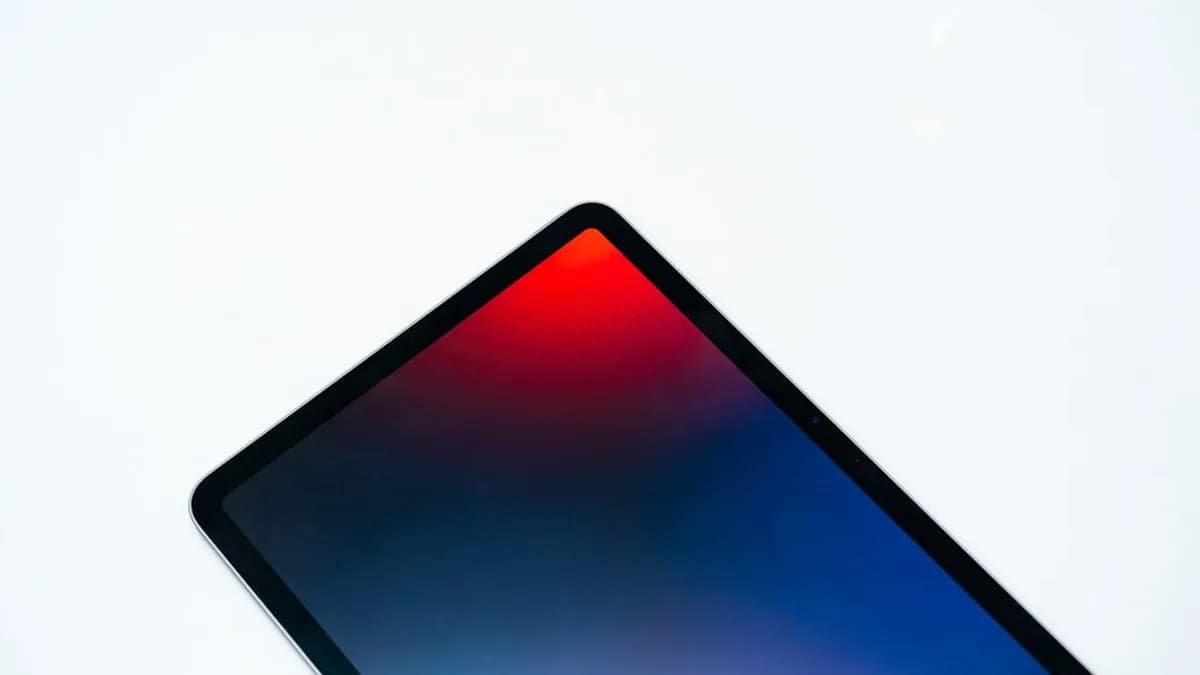
The MatePad Pro Max features a 13.2-inch OLED PaperMatte display, one of the largest in the Android tablet segment. The panel hits a 3K resolution, promising sharper visuals for media consumption and productivity tasks. Huawei’s “PaperMatte” branding suggests a textured, anti-glare finish—an attempt to mimic the tactile feel of paper while cutting down on reflections and fingerprints. That’s a direct volley at Samsung’s Tab S9 Ultra and Apple’s iPad Pro, neither of which offer a comparable screen treatment out of the box.
The bezels measure just 3.55mm, narrowing the gap between display and edge for a screen-to-body ratio that rivals the best in class. For context, the iPad Pro’s bezels come in around 6mm, while Samsung’s Tab S9 Ultra sits closer to 5mm. That extra real estate means more immersive video playback and more space for multitasking—key priorities for power users.
Huawei is also talking up a new “luminous finish”, hinting at a premium build that could go head-to-head with Apple’s brushed aluminum. The dual rear camera setup is expected to bring improved imaging, a feature that’s often an afterthought in tablets but increasingly matters as creators use them for video and mobile content production. Recent leaks point to a likely 13MP main sensor paired with a secondary lens—specs that would put it ahead of most Android rivals, but still just behind the iPad Pro’s LiDAR-equipped shooter.
Battery and chipset details remain under wraps, but given Huawei’s track record with the Kirin 9000 series and battery optimization, expect a focus on all-day use and AI-powered features. Software will be another battleground, as the device almost certainly ships with HarmonyOS, Huawei’s in-house system developed in response to ongoing US blacklists. The real test: whether HarmonyOS can match Android and iPadOS for app support outside China.
What to Expect at Huawei’s Bangkok Launch and Future Market Impact
Tomorrow’s launch will set the tone for Huawei’s ambitions in the premium tablet segment. The MatePad Pro Max isn’t just a specs play—it’s a signal that Huawei wants to reclaim visibility in markets where it once dominated before sanctions kneecapped its smartphone business. Expect the event to showcase not only tablets but also new wearables and smart devices as Huawei doubles down on its “Super Device” strategy, which aims to lock users into a tightly integrated hardware-software loop.
Pricing and availability will be the wild cards. Previous MatePad Pro models started around $800 in international markets, undercutting Apple by a few hundred dollars but sometimes falling short on app ecosystem and software polish. With the PaperMatte display and svelter design, Huawei could nudge prices higher—but it will have to convince buyers that HarmonyOS delivers for productivity and creativity.
Rival tablets from Apple and Samsung have set a high bar: over 40% of the premium tablet market is split between the iPad Pro and Galaxy Tab Ultra lines, and both brands have doubled down on accessories like styluses and keyboards. Huawei will need a strong value proposition and, crucially, global supply chain resilience to avoid the inventory shortages that dogged its last hardware push.
For now, the MatePad Pro Max’s slim profile, display innovations, and premium build raise the stakes for Android tablets worldwide. If Huawei nails the pricing and manages to court developers to HarmonyOS, it could spark a fresh round of competition in a category that’s been starved for real disruption.
Watch for final specs, hands-on impressions, and—most importantly—early availability outside China. If Huawei delivers, expect rivals to respond with even thinner, brighter, and more creator-focused tablets before year’s end.
The Bottom Line
- Huawei’s thinnest tablet ever aims to rival Apple and Samsung by offering superior portability and display features.
- The MatePad Pro Max’s PaperMatte screen and ultra-thin bezels target professionals and creators seeking premium tools.
- Huawei’s aggressive launch strategy signals renewed competition in the global tablet market after recent growth and recovery.