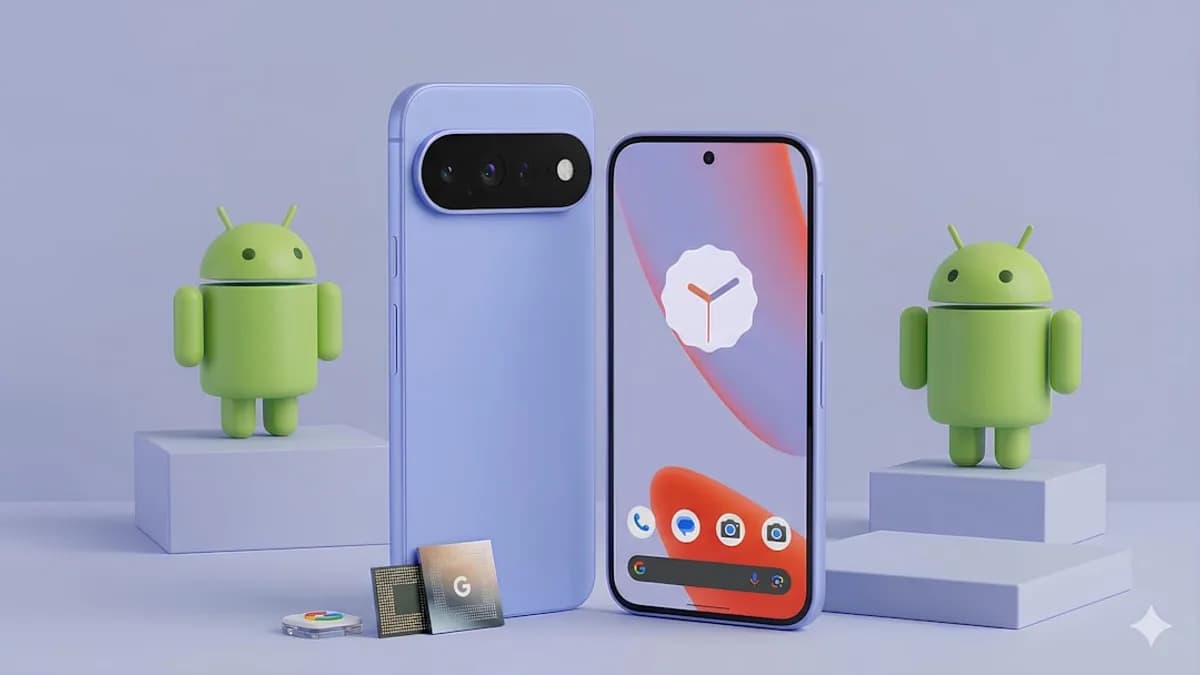
Why Should Android Fans Be Excited About The Android Show I/O Edition 2026?
Google’s Android Show is more than just a marketing event—it’s a tactical reveal that shapes what developers and users will talk about for the next year. Set for May 12, a week before Google I/O officially opens on May 19, the show lands right as anticipation peaks, giving Android devotees a front-row seat to what’s next for the world’s most popular mobile OS. This timing isn’t accidental: Google uses The Android Show to prime the audience with headline features and strategic updates, making it a must-watch for anyone who wants early access to the future of Android.
Last year, the event drew tens of thousands of live viewers and sparked immediate debate across developer forums and Reddit. With Google confirming its return for a second year via social media, the buzz has only intensified. The show’s accessibility—broadcast on YouTube at 10 am PT—means global participation, no travel required. Fans in India, Europe, or Brazil can tune in simultaneously, leveling the playing field for insights and engagement.
The Android Show also serves as a barometer for Google’s priorities. When new privacy controls, AI integrations, or developer tools get spotlighted, they quickly become the focus of industry discussion. For the millions who build, test, or simply use Android devices, this event is a cheat sheet for what will matter at Google I/O and beyond, according to Gsmarena.
What Can Viewers Expect From The Android Show I/O Edition on May 12?
Google’s choice to pre-record The Android Show isn’t just about production polish—it’s about control. Expect tight editing, demo-friendly visuals, and announcements engineered for maximum clarity. Pre-recorded format means fewer technical glitches and more time for Google to script the narrative, making the show efficient and dense with information. Last year, the runtime clocked in at 45 minutes, packed with demos, interviews, and rapid-fire feature reveals.
Historically, Google uses this stage to debut Android OS upgrades, new APIs, and ecosystem-wide improvements. In 2025, the show introduced a streamlined privacy dashboard, AI-powered notification management, and early glimpses of Android’s expanded device interoperability. Developer tools—like Jetpack Compose updates and enhanced debugging options—often get their own spotlight, signaling which frameworks Google wants to push.
This year’s teasers are cryptic, but Google’s “You won’t believe what’s next for Android!” tagline hints at something bold. Industry watchers expect new moves in generative AI integration, possibly a deeper tie-in with Gemini models for on-device intelligence. With Apple preparing its own AI-centric iOS 18, Google will likely counter with features that target privacy, personalization, and seamless cross-device experience.
The Android Show isn’t a replacement for Google I/O—it’s the appetizer. I/O’s main sessions span web, cloud, and hardware. The Android Show zeroes in on mobile, giving developers and users actionable intel before the I/O firehose opens. If Google follows last year’s playbook, expect embargoed developer docs, code samples, and a flurry of blog posts to drop right after the broadcast.
How Does The Android Show Enhance the Google I/O Experience for Developers and Users?
For developers, The Android Show is a strategic head start. By surfacing new APIs and tools a week before I/O, Google helps teams prep questions, experiment with code, and strategize app updates. In 2025, the announcement of the Android Privacy Sandbox pilot let developers start testing ad tech changes immediately, smoothing the transition before broader I/O sessions tackled policy and ecosystem debates.
Users benefit from early previews of features that will impact their daily device experience. Last year’s show showcased contextual quick settings, adaptive battery management, and a new “Find My Device” protocol—features that rolled out to Pixel phones within weeks and later scaled across Samsung and Xiaomi devices. When Google spotlights a feature here, it’s a signal that mainstream adoption is imminent.
The Android Show also drives real-time engagement. In 2025, #TheAndroidShow trended on Twitter for six hours, with thousands of developers dissecting API changes and UX tweaks. Google’s official forums and Discord channels saw a spike in traffic, as attendees shared screenshots, feedback, and bug reports. This immediate feedback loop shapes Google’s roadmap—last year, user pushback on notification grouping led to a revised implementation by Android 14’s beta.
If history is any guide, The Android Show’s announcements often dictate which topics dominate Google I/O’s developer sessions. By surfacing the most urgent changes early, Google lets the community focus on deep dives and hands-on workshops at I/O, rather than scrambling to catch up on headline news.
What Are the Best Ways to Prepare and Engage With The Android Show I/O Edition?
Getting the most from The Android Show starts with logistics. Set a YouTube reminder for May 12 at 10 am PT—Google’s event link is already live, and subscribing to their Android Developers channel ensures you won’t miss the broadcast. For those outside the US, convert the time to your local zone; Europe sees the show in the evening, Asia late at night, but the replay will be available instantly.
Live engagement matters. Join the conversation on Twitter using #TheAndroidShow, or jump into Reddit’s r/AndroidDev for real-time analysis. Google’s own developer forums will feature official Q&A threads and feedback prompts. If you’re a developer, download related code samples and SDKs as soon as they drop—last year, over 80% of surveyed Android devs said they started prototyping new features within 48 hours of the show.
Follow Google’s official blog and @AndroidDev on X for rolling updates and clarifications. Expect a cascade of companion blog posts, documentation, and tutorial videos released alongside the event. For power users, track changelogs and beta signups—new features often hit Android’s beta channel within days, giving you a chance to test before broader rollout.
Finally, don’t just watch—participate. Google often solicits live feedback and bug reports, shaping feature refinement before final release. The Android Show isn’t just broadcast—it’s a launchpad for community-driven iteration.
What Could The Future Hold for Android Based on Past Android Show Highlights?
Last year’s Android Show was a showcase for Google’s evolving priorities: privacy-first design, generative AI features, and tighter device integration. The Privacy Dashboard overhaul signaled a shift toward more granular user control; the launch of Live Translate using Gemini AI hinted at Google’s ambition to bring real-time intelligence on-device. Developer tools like Compose for Wear OS demonstrated Google’s push for cross-platform consistency.
Looking ahead, expect Google to double down on AI, with Gemini integration likely expanding to photo management, smart replies, and device automation. Industry whispers point to a new unified messaging protocol—possibly bridging RCS and SMS—aimed at ending fragmentation across Android devices. Battery management, always a battleground, could see adaptive AI enhancements targeting 15% longer life on flagship phones.
These developments will ripple across the Android ecosystem. If Google debuts new privacy APIs, manufacturers like Samsung and Oppo will scramble to implement them, influencing device launches for the next 12 months. Improved developer tools accelerate app rollouts; a single SDK update can unlock features for over two billion active Android devices. The Android Show is where these shifts break cover first.
For users and developers alike, staying plugged into The Android Show is non-negotiable. It’s where Google lays down its cards—what’s coming, what’s changing, and what will define the Android experience for the year ahead. As competition with Apple intensifies and AI becomes the new battleground, expect The Android Show to be more than a preview; it’s a blueprint for mobile innovation. Watch the show, dissect the details, and be ready to pivot—because what Google announces here will shape the software you build and the devices you use.
Key Takeaways
- The Android Show I/O Edition offers early access to upcoming Android features and updates before Google I/O.
- Its global broadcast allows developers and users worldwide to participate and engage with new announcements in real time.
- The event sets the agenda for industry discussions, highlighting Google's priorities like privacy controls and AI integrations.