Why Are Garmin Smartwatch Users Facing Sudden Battery Drain After Latest Update?
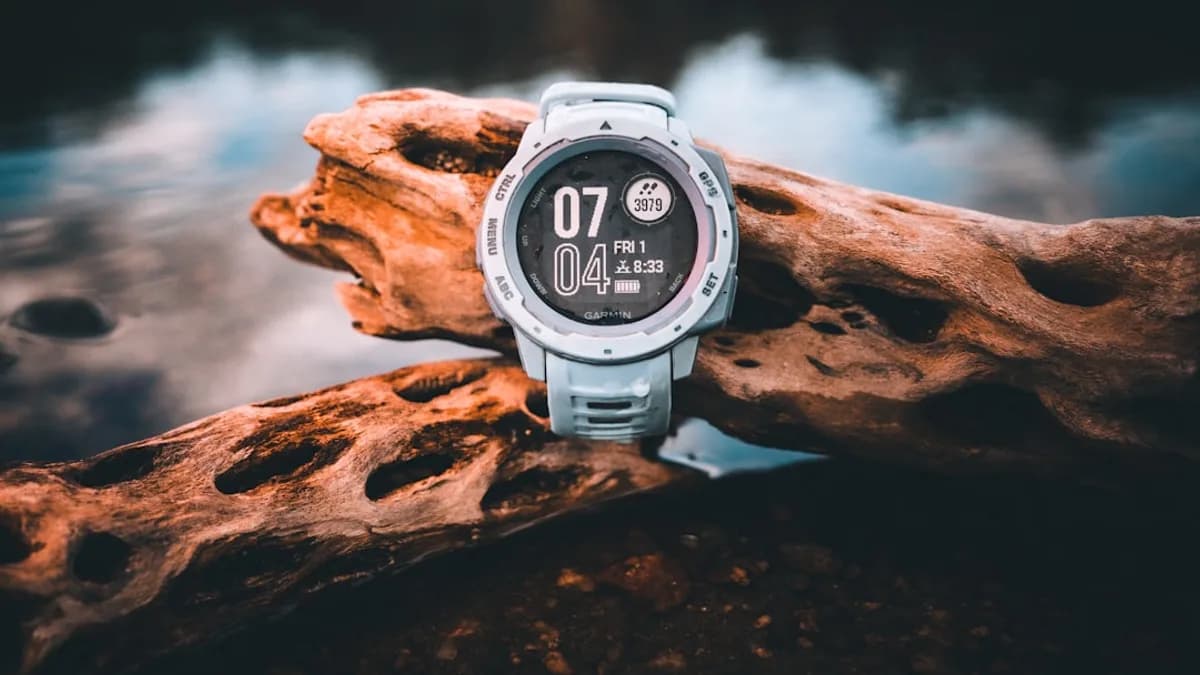
A wave of user complaints has hit Garmin forums: once reliable smartwatches are now dying within hours, sometimes minutes, after a routine software update. The hit to battery life isn’t minor — it’s catastrophic, with some users forced to charge devices twice a day or give up entirely. This isn’t happening to aging models on their last legs, but to watches launched as recently as 2022, including popular lines like the Forerunner and Fenix series. The timing and consistency across multiple models point squarely at the latest firmware patch, not a random hardware failure or user mishandling.
The update in question rolled out in late May and early June and was intended to deliver bug fixes, new features, and stability improvements — standard fare for a brand that usually prides itself on incremental enhancements. But according to dozens of reports aggregated by Notebookcheck, battery drain has become severe enough to render affected devices “unusable.” The pattern repeats: watches that previously lasted a week between charges now limp through a single day, some draining 20-30% per hour even when idle.
This isn’t an isolated incident or a handful of noisy voices. The chorus comes from Reddit, Garmin’s own forums, and tech review sites, with reports spanning models like the Forerunner 945, Fenix 6, and Venu 2. While the exact trigger remains unclear, the sheer volume and specificity of complaints suggest a software bug introduced by the update — possibly related to background sensor polling, Bluetooth stack changes, or new health-tracking algorithms that ramp up power draw.
Quantifying the Impact: Data on Garmin Smartwatch Battery Performance Decline
Numbers tell the story more starkly than anecdotes. Before the update, Garmin’s flagship models boasted battery lives of 7-14 days for typical use — a key selling point against Apple Watch and Wear OS rivals, which often last less than 48 hours. Post-update, users report battery lifespans collapsing to 10-24 hours, with some watches draining from full to empty in under six hours during normal activity tracking. One user measured a drop from 10 days to less than 12 hours on a Fenix 6, while another saw their Forerunner 955 go from 7 days to just over a day.
Garmin hasn’t published official statistics, but forum moderators have acknowledged the issue and asked for diagnostic logs. Internal support responses seen by affected users indicate the company is “investigating” and has suggested temporary fixes like disabling certain sensors, turning off Bluetooth, or reverting to factory settings — none of which reliably solve the problem. In the absence of hard numbers from Garmin, crowdsourced data paints a bleak picture: battery drain rates up 10-15x, with no correlation to device age or usage intensity. Even watches purchased less than a year ago are hit, suggesting the update’s impact is universal, not limited to older hardware.
Severity varies: some users notice only moderate drain, but the majority report severe power loss regardless of whether GPS, heart rate monitoring, or advanced features are enabled. This points to a systemic software bug, possibly in core power management routines or sensor polling logic. If the numbers hold, Garmin risks losing its unique battery longevity advantage — a feature that’s been central to its market pitch.
Stakeholder Perspectives: Users, Garmin, and Industry Experts Weigh In on the Battery Crisis
Frustration dominates Garmin user communities. Reddit threads have ballooned to hundreds of posts, with owners demanding immediate fixes, refunds, or even class-action discussions. The most common refrain: “I bought Garmin for battery life, now it’s worse than Apple.” Some have switched to backup devices or returned watches under warranty, while others document their troubleshooting attempts in detail — disabling features, resetting devices, and rolling back firmware where possible.
Garmin’s official response has been measured but slow. Moderators and support reps acknowledge the issue, request logs, and promise investigation, but as of mid-June, no patch or timeline has been announced. The company’s silence on root cause frustrates users, especially since previous firmware bugs have been fixed within days — this time feels different, with broader impact and deeper severity.
Industry experts see this as a cautionary tale for wearable makers. Firmware updates are notoriously risky, especially when they tweak background processes or sensor management. Ben Wood, Chief Analyst at CCS Insight, notes that “battery management is the Achilles’ heel of wearables,” and that even small software changes can trigger cascading failures. Others point out that testing protocols for wearables often lag behind smartphones, since battery drain can be masked in lab conditions but explode in real-world use, where connectivity, location, and feature usage are unpredictable.
The consensus: Garmin needs to move fast. Prolonged silence risks eroding trust, especially among athletes and tech enthusiasts who rely on these devices for health tracking and training.
Learning from the Past: How Previous Garmin Updates and Industry Incidents Inform This Battery Issue
Garmin isn’t the first smartwatch maker to stumble. In 2020, a buggy update briefly bricked Venu and Vivoactive models, forcing a recall and rapid patch. In 2022, Apple Watch users saw battery drain spike after a watchOS update, only resolved after two weeks and three incremental fixes. Fitbit, now owned by Google, faced backlash in 2018 when a software patch cut battery life in half for its Charge line, prompting mass refunds.
In each case, the damage was temporary, but the reputational hit lingered. Garmin’s own history shows mixed results: minor bugs are fixed quickly, but major issues — especially those affecting core features like battery life — can take months. The company’s 2020 ransomware attack also rattled user confidence in its software reliability, though it eventually recovered.
The lesson for Garmin and rivals: thorough battery drain testing before rollout isn’t optional. Apple, Samsung, and Google have since adopted staggered rollouts and user opt-in for major firmware changes, reducing the risk of mass failures. Garmin’s update process appears less cautious, with wide deployment and little rollback capability. That’s a weak spot competitors may exploit.
What Garmin’s Battery Problems Mean for Smartwatch Users and the Wearable Tech Market
Garmin’s battery crisis isn’t just a tech hiccup — it strikes at the heart of its brand promise. Unlike Apple or Samsung, Garmin’s pitch has always been “lasts for days, tracks everything, never let you down.” If that promise falters, so does its grip on athletes, adventurers, and health-conscious buyers willing to pay a premium for reliability.
User trust is fragile. Surveys after Fitbit’s battery debacle found 30% of affected users switched brands within a year. Garmin’s users are fiercely loyal, but many are openly considering alternatives, especially if fixes drag on. That could open the door for rivals like Coros, Suunto, and even Apple, as battery longevity becomes less of a differentiator.
Market implications go deeper. Wearable tech buyers increasingly expect software updates to be invisible — adding value, not risk. Failures like this raise the bar for update testing and transparency. Garmin, a leader in niche segments like triathlon and outdoor navigation, risks losing its edge if it can’t guarantee stable battery life. Competitors who can promise “no surprise drains” will gain share, especially as wearables move from novelty to essential daily tools.
Predicting Garmin’s Next Moves and the Future of Smartwatch Battery Management
Garmin has little choice but to respond aggressively. The likeliest short-term moves: a hotfix update targeting battery routines, public apology, and clear instructions for users to roll back or mitigate drain. Longer term, expect overhauls to its firmware testing pipeline, with real-world battery stress tests and staggered rollouts to catch bugs before mass deployment.
Emerging technologies may help. Advanced power management chips, AI-driven battery optimization (already seen in Huawei’s wearables), and modular firmware updates that isolate battery-related code are gaining traction. Garmin could adopt these strategies, but the bigger shift will be in user expectation: buyers will demand visible battery guarantees before hitting “update.”
This incident will force Garmin — and the market — to rethink how watch software evolves. Incremental updates will be scrutinized, and companies will need to prove reliability before promising new features. In the next six months, expect Garmin to launch a dedicated battery monitoring tool and more transparent update logs. If the company moves fast and communicates well, it could recover — but if fixes drag on, expect a surge in defect returns and a visible hit to its market share.
Smartwatch battery life is no longer just a spec sheet brag — it’s a make-or-break feature. The brands that treat it as mission-critical will win. Those that don’t, risk losing users who now know how quickly a single update can turn trusted hardware into a paperweight.
Impact Analysis
- Garmin smartwatches are losing their key advantage of long battery life, affecting daily usability.
- The widespread issue highlights the risks of software updates without thorough testing.
- Affected users may be forced to seek alternatives or demand fixes from Garmin, impacting brand trust.