
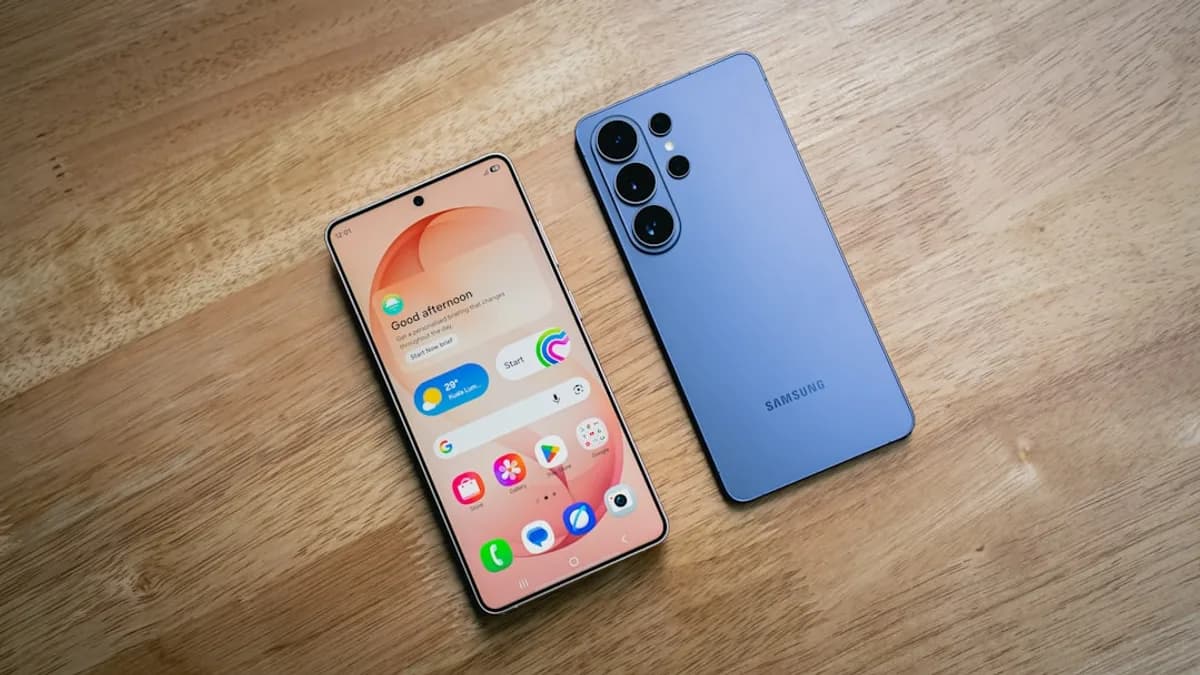



Introduction to One UI 8.5 Beta and Its Impact on Samsung Galaxy Devices
Samsung has once again shaken up expectations in the Android landscape, rolling out its One UI 8.5 beta update to a growing list of flagship devices. In a move that blurs the traditional boundaries between old and new, the company is bringing select cutting-edge Galaxy S26 AI features to last year’s Galaxy S24 and the newly minted Fold 7—months before those features were expected to trickle down the lineup. For millions of Galaxy users, this isn’t just a routine patch. It’s a bold demonstration of Samsung’s evolving software philosophy: deliver meaningful upgrades to loyal customers, not just the latest hardware buyers [Source: Source].
Historically, major AI-driven features have been reserved for Samsung’s newest flagships, leaving owners of previous generations waiting—or missing out entirely. With One UI 8.5, the company is signaling a more ambitious, inclusive strategy. This beta program not only gives early adopters a glimpse of the future but also raises the bar for what users can expect in terms of device longevity and ongoing value.
Key AI Features from Galaxy S26 Now Available on Galaxy S24 and Fold 7
With the One UI 8.5 beta, Samsung is unlocking four headline AI features from the Galaxy S26, making them accessible on the Galaxy S24 series and the Fold 7. These upgrades go beyond mere cosmetic tweaks. They represent a tangible leap forward in how users can interact with and benefit from their smartphones.
First, there’s AI Live Translate, an on-device translation tool that now works not only in calls but across supported apps and messaging platforms. This means real-time, context-aware conversations in multiple languages without cloud dependency—a significant advantage for travelers and business professionals.
Second, the Intelligent Photo Enhancer leverages generative AI to improve image clarity, lighting, and composition post-capture. Unlike previous versions, this tool adapts to user preferences and scene context, making it easier for everyday users to achieve professional-level results with a tap.
Third, Samsung introduces AI-driven Summarization in Notes, which condenses long passages into digestible bullet points or summaries. This feature is especially handy for students, journalists, and anyone managing large volumes of information on the go.
Fourth, the Contextual App Suggestion Engine uses on-device AI to predict and recommend apps or actions based on usage patterns and calendar events. For instance, it might suggest opening a note-taking app before a scheduled meeting or remind you to order a ride as your flight lands.
For both the Galaxy S24 and Fold 7, these enhancements significantly narrow the perceived gap between “current” and “next-gen” devices. The practical upshot? Users enjoy smarter, more proactive devices that adapt to their routines, making the smartphone feel like a true digital assistant rather than just a tool [Source: Source].
Expansion of One UI 8.5 Beta to Other Samsung Devices Including Galaxy S25 Series
Samsung’s commitment to rapid, wide-scale deployment is underscored by the Galaxy S25 series now receiving its tenth One UI 8.5 beta release [Source: Source]. This level of iterative testing is rare in the industry and signals a maturing approach to software development. By rolling out multiple beta phases, Samsung collects granular feedback, squashes bugs, and fine-tunes features before pushing the update to the broader user base.
The beta program is expected to wrap up in the coming months, with a stable One UI 8.5 release slated for a staggered rollout across eligible devices. Industry watchers anticipate the Galaxy S24 and Fold 7 to receive public, non-beta versions first, followed closely by the S25 series and select mid-range models. While timelines may vary by region and carrier, Samsung’s track record over the past two years suggests an aggressive push to minimize fragmentation and latency in feature availability.
This incremental, feedback-driven rollout strategy is notable for its transparency and user engagement. Participating beta testers often influence final product decisions, ensuring that real-world use cases—rather than lab scenarios—drive software priorities. In a market where many Android OEMs struggle with timely updates, Samsung’s approach strengthens its reputation for reliability and customer focus.
Samsung’s Strategy Behind Free Software Upgrades for Millions of Galaxy Phones
Samsung’s decision to distribute advanced AI features for free to older models is more than a goodwill gesture. It’s a calculated move in a fiercely competitive market where software longevity is becoming as important as hardware innovation.
For years, Apple set the gold standard for device support and regular feature updates, which fostered strong brand loyalty and high resale values. Android manufacturers, by contrast, were often criticized for slow updates and leaving devices behind after just a year or two. Samsung, however, has flipped the script, now offering up to four years of Android OS upgrades and five years of security patches for most flagships—a policy that rivals or even surpasses Google’s Pixel lineup [Source: Source].
This software-centric strategy yields several advantages:
- Retaining Existing Users: By continually enhancing older devices, Samsung reduces churn, keeping users within its ecosystem longer. This, in turn, boosts the likelihood of future upgrades, accessory purchases, and subscriptions to Samsung’s own services.
- Protecting Brand Equity: Frequent, feature-rich updates demonstrate to consumers that Samsung values their investment, distinguishing the brand in a crowded field.
- Reducing E-Waste: Extending device lifespans through software reduces the pressure to upgrade purely for new features, aligning with growing consumer demand for sustainability.
- Setting Industry Pace: With each major update, Samsung puts pressure on rivals like Xiaomi, OnePlus, and even Google, who must now contend with higher user expectations around long-term support.
Crucially, these moves are not just about catching up to Apple—they’re about out-innovating the competition by delivering transformative features, not just incremental security patches, to a massive installed base. In a world where consumers are holding onto phones longer, Samsung’s proactive approach could pay dividends in customer satisfaction and market share.
Implications of One UI 8.5 AI Features for the Future of Samsung Smartphones
The infusion of Galaxy S26-level AI features into older models is a glimpse into the future of smartphone evolution. As AI continues to redefine what’s possible on mobile devices, software—not hardware—will increasingly be the battleground for differentiation.
Samsung’s bet on AI-driven user experiences is strategic. As generative AI becomes more sophisticated, future Galaxy models are likely to offer even deeper integration: from predictive device maintenance and personalized health insights to seamless cross-device collaboration and privacy-preserving on-device intelligence.
Moreover, by democratizing access to advanced AI features, Samsung is training a vast user base to expect—and rely on—smarter, context-aware devices. This will influence not just product design but also the types of services and partnerships Samsung pursues. For instance, partnerships with cloud providers or app developers could leverage on-device AI to deliver unique, privacy-respecting experiences.
The competitive implications are profound. With Google, Apple, and Chinese manufacturers all racing to integrate AI at the core of their ecosystems, Samsung’s aggressive rollout raises the stakes. The company’s willingness to bridge flagship and older models through software could force the industry to move faster, ultimately benefiting consumers through more rapid, meaningful innovation.
Conclusion: What Galaxy Users Should Expect from the One UI 8.5 Update
With One UI 8.5, Samsung isn’t just patching bugs—it’s reimagining what older devices can do. Galaxy S24 and Fold 7 users now gain access to premium AI features once reserved for the latest flagships, while the S25 and other models are set to follow quickly [Source: Source]. This update delivers smarter translation, sharper photos, streamlined notes, and more personalized app suggestions—making daily tasks faster and more intuitive.
For those eager to experience these features, joining Samsung’s beta program offers a sneak peek (with the usual risk of bugs), while others can prepare for the stable release in the near future. The big picture: Samsung’s software development is accelerating, pushing the envelope on AI, and setting new standards for device support. For Galaxy users, the future just got a lot brighter—and a lot smarter.