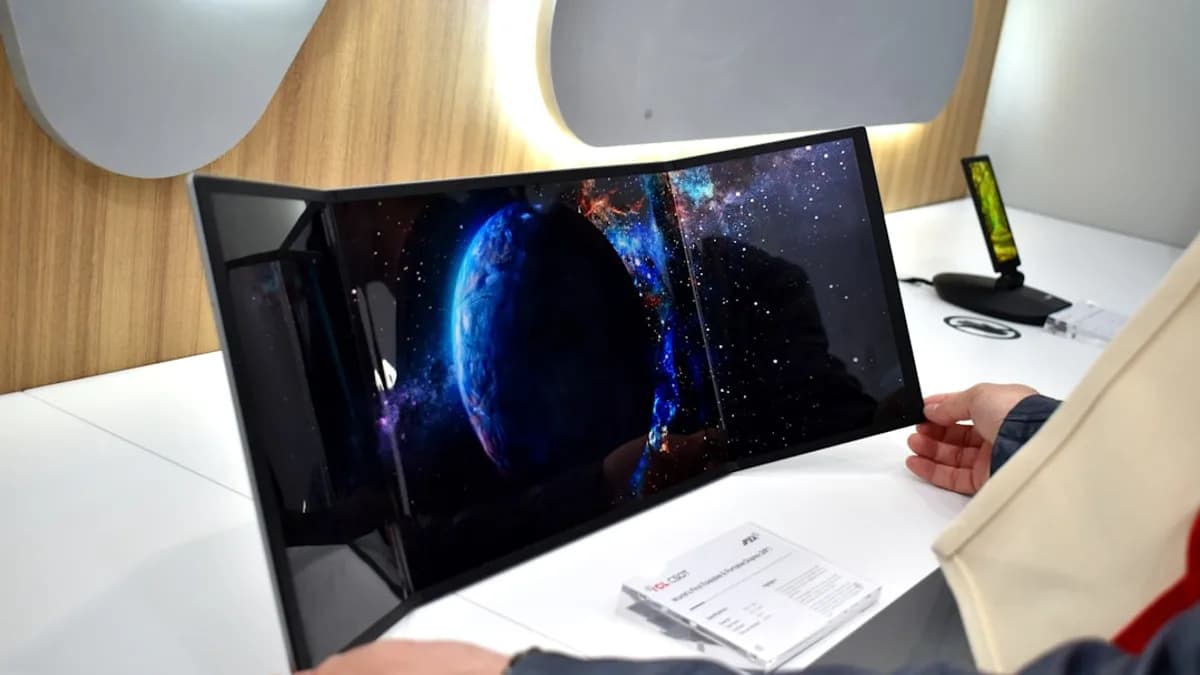
Why a Flexible 6.7-Inch AMOLED Display with 2.4K Resolution Shifts the Playing Field
A display that’s both flexible and sharp, with a 6.7-inch diagonal and 2.4K resolution, is now available for integration into a wide range of devices. The real kicker: it’s not just for flagship smartphones or proprietary gadgets. This panel is designed to interface easily with single-board computers (SBCs) like the Raspberry Pi 5, expanding who can experiment with next-gen display tech. The source for these details is Notebookcheck.
Why does this matter? Most high-spec AMOLED panels are locked behind closed device architectures. A flexible, high-res screen that can power up from an SBC opens doors for rapid prototyping, niche consumer products, and custom builds—without waiting for major OEMs to move first. Flexibility in the literal sense means more than just curved phones; it’s the foundation for hardware that bends to new purposes, not just new form factors.
How Does a 2.4K Resolution Enhance Visual Experience on a 6.7-Inch AMOLED Screen?
The headline spec here is “2.4K resolution,” which—by implication—means a display delivering over two thousand pixels along its longest side. On a 6.7-inch panel, that translates to a dense pixel array. The result: sharper images, crisper text, and less visible pixelation, especially compared to standard Full HD (1080p) screens found in older or budget devices of similar size.
For users consuming multimedia, this means video and images retain detail even up close. For those building devices with this panel, the higher resolution can set a project apart—whether that’s a portable monitor for creative work or an experimental camera interface. The 2.4K spec pushes the ceiling for what’s possible on compact, flexible screens, shrinking the gap between small and large-format professional displays.
What Makes AMOLED Technology Ideal for Flexible Displays with 450 Nits Brightness?
AMOLED panels are prized for their ability to produce vibrant colors and deep contrast, but this display’s flexibility is the star. Unlike traditional LCDs, AMOLED screens can be manufactured on bendable substrates, making them suitable for curved or shaped devices. The panel’s 450 nits brightness is enough for most indoor settings and many outdoor scenarios, ensuring visibility across a range of environments.
The combination of flexibility and moderate brightness means the display can serve in both experimental form factors and standard handhelds. The self-emissive nature of AMOLED (not explicitly stated in the source, but standard for this tech) typically contributes to more uniform illumination and thinner displays, which is critical for flexible designs. This new panel doesn’t force a compromise between image quality and adaptability.
How Can This Flexible AMOLED Display Integrate with Single-Board Computers Like Raspberry Pi 5?
Compatibility with single-board computers is a rare feature for displays at this spec level. According to Notebookcheck, this AMOLED panel can be used with the Raspberry Pi 5, lowering the barrier for hardware hackers and small teams to experiment with high-end visuals.
A typical use case: a DIY portable media player or diagnostic tool that requires a sharp, flexible screen but can’t justify custom hardware. The technical specifics—such as interface type, driver support, or refresh rates—aren’t covered in the source, but the mention of compatibility with the Raspberry Pi 5 suggests a straightforward connection path, likely via standard display interfaces. The value proposition is clear: anyone with a Pi and basic hardware skills can start prototyping with a display that would have been locked behind proprietary connectors just a few years ago.
What Future Innovations Could Stem from Flexible High-Resolution AMOLED Displays?
Flexible, high-res panels like this one signal a shift in what’s possible for both consumer and industrial devices. When a 2.4K display can be bent, shaped, and integrated into off-the-shelf hardware, the bottleneck for innovation moves away from display sourcing and toward imagination and usability.
What’s still unclear is how durable these flexible panels are in real-world use, or how easy integration will be for those without deep electronics experience. Also unknown: whether this display will spark a wave of new form factors or simply serve as a premium component in niche builds.
The practical implication is straightforward. Developers, tinkerers, and small device makers should watch how easily this panel can be adopted for their own projects. If the integration process is as frictionless as promised, expect to see flexible, high-res displays show up in places no one expects—from custom dashboards to experimental wearables. The real test will be how these panels perform outside the lab, and whether the supply chain opens up or stays limited to special orders.
Bottom line: The arrival of a flexible 6.7-inch, 2.4K AMOLED display that plays well with mainstream SBCs marks a new chapter for DIY hardware. The next move is in the hands of the builders—and how quickly they can turn this potential into real-world products.
Why It Matters
- This flexible 6.7-inch AMOLED display with 2.4K resolution is accessible to hobbyists and small manufacturers, not just major OEMs.
- High-resolution and flexibility enable sharper visuals and innovative device designs beyond traditional smartphones.
- Compatibility with single-board computers like Raspberry Pi 5 empowers rapid hardware prototyping and custom projects.