Dell Launches New 16-Inch Pro 5 Series Laptop with Intel Panther Lake Processors
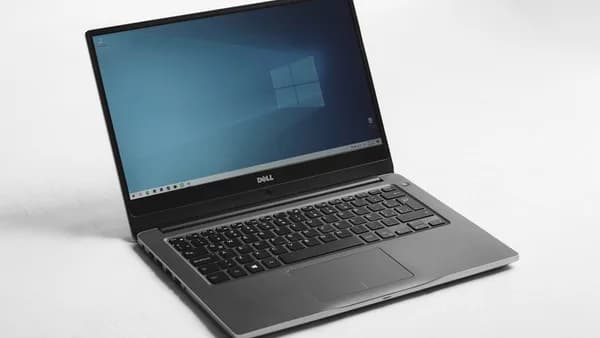
Dell just pulled the wraps off its new 16-inch Pro 5 Series laptop, betting on Intel’s Panther Lake processors to muscle it into the premium productivity tier. This marks one of the first global launches pairing the next-gen Panther Lake chips with a mainstream notebook—Dell isn’t waiting for rivals to set the pace, according to Notebookcheck.
The Pro 5 Series 16 comes with up to a 70 Wh battery, a clear signal Dell wants to balance power and endurance for business travelers and pro users. The machine targets a broad swath of the market, from creative professionals to enterprise deployments, and will be available in key regions—including the US, Europe, and Asia—within weeks.
This isn’t a niche workstation: Dell’s global release means it’s gunning for volume. Panther Lake is Intel’s first mobile CPU family built on the 18A process, promising major efficiency and AI performance gains. Pairing that silicon with a 16-inch chassis—long a sweet spot for power users who need more screen real estate but don’t want a portable backbreaker—signals Dell’s intent to challenge both traditional business laptops and Apple’s MacBook Pro line.
High-Performance Features Highlight LPCAMM2 RAM and PCIe Gen 5 Storage Options
The hardware headliner is support for up to 64 GB of LPCAMM2 RAM—still rare in shipping laptops. LPCAMM2, a low-profile, high-bandwidth memory module, offers faster speeds and easier upgrades compared to traditional SODIMM and soldered LPDDR solutions. For users running data-heavy tasks—think AI model development, video editing, or virtualization—the jump to 64 GB means less swapping and a genuine productivity boost.
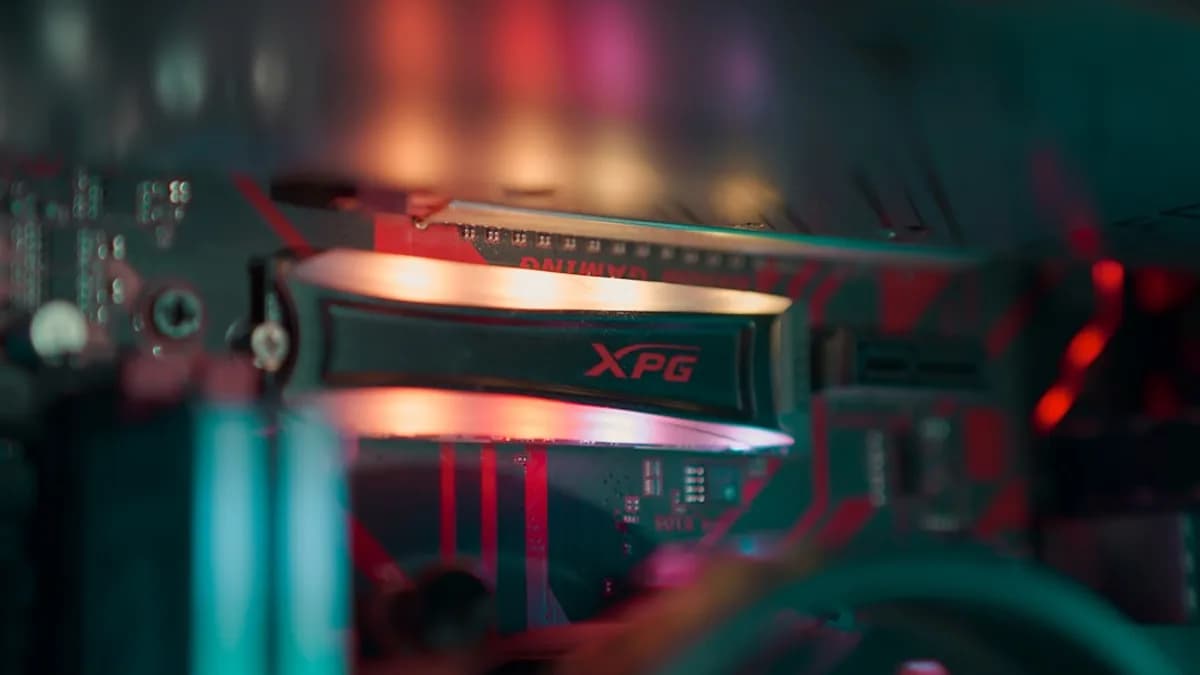
Data bottlenecks get another cut with PCIe Gen 5 storage. Drives on this interface can hit 14 GB/s read speeds, more than double what PCIe Gen 4 typically delivers. That shrinks file transfers and load times for massive datasets or 8K project files—a real-world gain, not just a spec sheet stunt.
But there’s a glaring omission: no OLED display option. For a flagship device touting premium hardware, this stands out. OLED panels have become the go-to for deep blacks, high contrast, and creative work in the $1,500+ tier. Dell’s choice to stick with LCD may be a supply chain hedge or a move to keep price points in check, but it means users who prioritize display quality—designers, color graders, media pros—may look elsewhere.
This positioning puts the Pro 5 Series in an odd spot: overpowered for standard office work, but missing the display quality that’s now table stakes for high-end creative laptops. Dell’s wager is that performance and battery life will matter more to its core buyers than OLED flash.
What to Expect Next: Availability, Pricing, and Market Competition
Dell hasn’t released final pricing, but based on current-gen XPS and Latitude lines, expect configurations to start just under $1,500 for the entry model, with maxed-out LPCAMM2 RAM and PCIe Gen 5 likely pushing past $2,500. The first units are slated to ship in major markets this quarter, with Asia Pacific and EMEA launches following within the next 60 days.
The timing is aggressive—Apple’s M3 Max MacBook Pro is still setting the benchmark for power users, while Lenovo and HP have yet to announce Panther Lake models in the 16-inch segment. Dell’s early adoption could capture buyers itching for the latest Intel silicon and modular memory, but the lack of an OLED option hands a clear opening to competitors who can match the core specs and deliver on display.
Dell’s next moves will be critical: if early demand is strong, expect OLED or mini-LED variants to surface within a product cycle. User feedback on real-world battery life and Panther Lake’s AI capabilities will shape future updates—and signal whether Dell can hold the line against Apple’s silicon and a resurgent Windows premium market.
For buyers, the Pro 5 Series 16 is a bet on performance-first design. If you need bleeding-edge RAM and storage, it’s a serious contender. But if display quality tops your list, waiting for a panel upgrade or rival announcement might pay off.
Why It Matters
- Dell's new laptop sets a precedent by combining next-gen Intel Panther Lake CPUs with LPCAMM2 RAM for mainstream users.
- The global launch targets both business and creative markets, challenging traditional leaders like Apple.
- Major hardware upgrades mean improved speed, upgradability, and AI performance for professionals.