Dell Launches New 14-Inch Laptop Featuring OLED Display and 64GB Upgradeable RAM
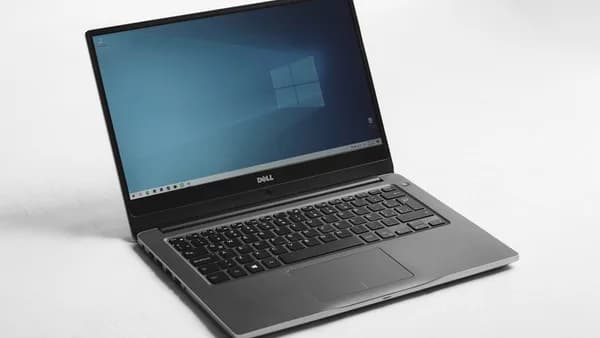
Dell just dropped a 14-inch laptop with features that put most ultraportables to shame. The new Pro 5 Series 14 (P514260) is now available worldwide, offering a user-upgradeable 64GB LPCAMM2 RAM module—a rarity in a market where soldered memory is standard. Buyers can pick between a vibrant OLED display or a 120Hz variable refresh rate screen, both paired with Intel’s latest Panther Lake processors for serious performance.
This isn’t just a spec bump. Dell’s decision to allow end-users to swap or upgrade RAM reverses years of industry trend, where thin-and-light laptops have forced compromises on expandability. The Pro 5 Series 14 can be configured with up to a 70 Wh battery, targeting those who need horsepower and endurance in a portable form factor, according to Notebookcheck.
By combining OLED visuals, modular RAM, and Intel’s latest silicon, Dell is signaling it intends to compete for the creative, engineering, and professional crowds who have grown frustrated with locked-down hardware.
How Dell’s New Laptop Enhances User Experience with High-End Specs and Battery Life
Tech-savvy buyers have long complained about the lack of upgradable RAM in ultraportables. By embracing LPCAMM2, Dell is betting that flexibility and future-proofing will matter, especially as AI workloads and creative apps become more memory-hungry. Power users can start with 16GB and jump to 64GB later, avoiding the forced obsolescence that plagues most premium laptops.
The OLED display option isn’t an afterthought, either. With richer colors, true blacks, and higher contrast ratios, it targets photo editors, video professionals, and anyone who demands more than the typical washed-out LCD panel. For those who need speed—gamers, animators, or video editors—the 120Hz VRR option smooths motion and reduces tearing, a feature that’s finally making its way into non-gaming portables.
Battery life is often sacrificed in thin, high-performance laptops, but the Pro 5 Series 14 offers up to a 70 Wh cell. That’s on par with or better than rivals like Apple’s MacBook Pro 14 and Lenovo’s ThinkPad X1 Carbon Gen 12, both of which hover around 57-70 Wh in the same size class. Combined with Intel’s efficient Panther Lake CPUs, Dell is positioning this machine as a mobile workhorse that can actually last through a travel day or a multi-hour editing session.
What to Expect Next: Availability, Pricing, and Market Impact of Dell’s Pro 5 Series 14
Dell’s Pro 5 Series 14 is rolling out globally with regional configurations and pricing. Early listings suggest a wide range depending on processor, display, and RAM choices. Expect entry-level models to start above $1,200, with maxed-out versions pushing well past $2,000—directly challenging Apple and Lenovo in the premium ultrabook segment.
Competition in the 14-inch premium space is fierce. Apple’s MacBook Pro 14 leads in battery life and display quality, but is locked at 96GB RAM and not user-upgradeable. Lenovo’s X1 Carbon Gen 12 offers up to 64GB, but again, soldered memory limits future upgrades. HP’s Elite Dragonfly and Asus’ Zenbook series have OLED options, but rarely combine that with this much user-friendly modularity.
Dell’s pitch is clear: if you want an ultra-portable with real upgradability and pro-grade visuals, you no longer have to compromise. Creative professionals, engineers, and developers—especially those working with AI or large datasets—now have a new contender that could sidestep the usual “buy new every three years” treadmill.
Watch for Dell to expand LPCAMM2 to more models if demand is strong. The market will also track how quickly competitors move to match user-upgradeable RAM in thin-and-light form factors. For buyers, the arrival of the Pro 5 Series 14 signals a new wave of laptops that might finally put the user—not just the spec sheet—back in control.
Why It Matters
- Dell's new laptop offers rare user-upgradeable RAM, breaking industry norms.
- OLED and 120Hz display options cater to both creative professionals and gamers.
- Expandable hardware supports future-proofing as software demands increase.