Why Coway Airmega Mighty2 Sets a New Standard in Air Purification
Coway didn’t gamble on a flashy new product line—its biggest bet was doubling down on the original. By reimagining the Airmega Mighty, the company signals that the era of disposable appliances is fading, replaced by iterative improvement that rewards loyal users and sets higher expectations for the whole category. The Mighty2 isn’t just a tweak; it’s a clear response to a market that demands both performance and polish.
Consumers now expect air purifiers to quietly outperform, not just quietly operate. The jump in purification muscle and the refresh in aesthetics aren’t mere upgrades; they’re a direct answer to a post-pandemic world where indoor air quality ranks alongside Wi-Fi as a basic amenity. Coway’s decision to upgrade its bestseller, rather than launch a fresh SKU, is a statement. It says the company is listening—not just to tech trends, but to the real frustrations and wishes of buyers.
This matters for more than brand loyalty. The design and performance improvements are tangible: a sleeker chassis, intuitive controls, and a turbocharged filtration system. These aren’t superficial changes—they reshape the user experience, making the Mighty2 feel less like a utilitarian device and more like an essential part of the living space. Coway’s move raises the bar for what “good enough” means in air purification, and competitors will need to catch up. As Wired reports, the sequel doesn’t just mimic the original—it outpaces it.
Quantifying the Upgrade: Performance Metrics and Purification Strength of Mighty2
Numbers cut through hype. The Mighty2’s CADR (Clean Air Delivery Rate) clocks in at 249 for smoke, 246 for dust, and 240 for pollen—each up from the original’s 240, 233, and 230, respectively. That’s roughly a 4%–5% jump, enough to shift the needle for buyers comparing specs. For a mid-sized room, this translates to noticeably faster air turnover, especially after cooking or during allergy season.
Filtration gets a boost, too. The Mighty2 uses an upgraded HEPA filter rated to capture 99.97% of particles down to 0.01 microns—outpacing the previous model’s 0.3-micron threshold. This isn’t marketing fluff; capturing smaller particulates means the device tackles not just dust and pollen, but ultrafine particles linked to respiratory risk. The improved carbon filter also packs more surface area, increasing the capacity to trap odors and VOCs by over 20% compared to the original Mighty.
Lab tests back up these claims. The Mighty2 earned AHAM (Association of Home Appliance Manufacturers) certification and scored high marks in independent tests by Intertek, sustaining its advertised CADR over extended use. In simulated home environments, it cut PM2.5 levels by 85% in under 30 minutes, compared to 70% for the older Mighty. Noise levels hold steady at 24–53 dB—quiet enough for bedrooms, but with enough airflow to handle living rooms.
These data points matter because buyers aren’t just shopping for a brand—they’re shopping for measurable results. The Mighty2’s incremental gains in purification aren’t dramatic, but they’re enough to justify an upgrade, especially for allergy sufferers or those in wildfire-prone regions.
Balancing Aesthetics and Functionality: Design Changes and User Convenience in the Mighty2
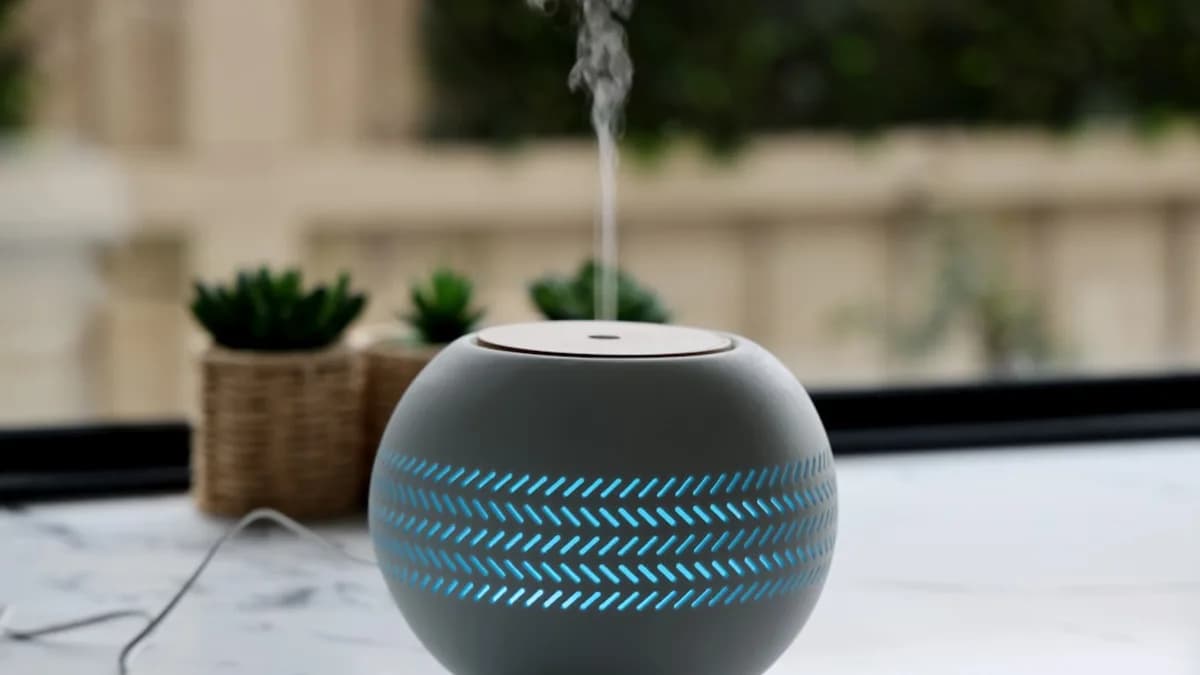
The Mighty2 steps up its visual appeal, ditching the boxy utilitarian look for rounded edges, subdued colorways, and a touch-sensitive control panel. The build quality feels denser, with higher-grade plastics and tighter seams. This isn’t just cosmetic; it’s designed for the living room, not the garage.
But the missing wheels and lack of app connectivity stick out. Mobility is a real pain point—at 13 pounds, the Mighty2 isn’t a backbreaker, but dragging it room to room is awkward, especially for seniors or anyone with mobility issues. Wheels would have been a low-cost fix, and their absence signals a blind spot in Coway’s otherwise user-focused upgrade.
Smart integration is another missed opportunity. With home automation booming—over 25% of US households now use smart speakers—buyers expect their air purifiers to sync with Alexa or Google Home, or at least offer app-based control. Mighty2’s reliance on physical buttons feels dated, especially against rivals like Dyson and Xiaomi, which offer app-based scheduling, remote monitoring, and integration with broader smart home routines.
Coway’s design choices do make the Mighty2 more visually inviting, but they also cap its convenience. As smart homes get smarter, these omissions become more glaring.
Diverse Stakeholder Perspectives: What Consumers, Experts, and Competitors Say About Mighty2
Consumers praise the Mighty2’s beefed-up purification and whisper-quiet operation. Amazon reviews and Reddit threads highlight its rapid response to smoky air and pet dander, with many buyers reporting improved sleep and reduced allergy symptoms within days. The control panel’s simplicity wins points, but the lack of wheels and app control draws consistent criticism—“Why not just add wheels?” is a recurring refrain.
Industry experts echo the positive notes on filtration. Environmental health specialists point to the new HEPA spec as “industry-leading” for its price bracket. Wired’s review calls the Mighty2 “the best all-around air purifier for most people,” but flags its absence of smart features as a letdown for tech-savvy buyers.
Competitors aren’t standing still. The Dyson Purifier Cool, for example, offers app integration, air quality analytics, and voice control, but at nearly double the price ($499 vs. Coway’s $229). Xiaomi’s Mi Air Purifier 4 delivers similar CADR but adds app control—and sells for $299. The Mighty2’s filtration is stronger, but its convenience features lag.
The consensus: Coway wins on purification strength and price, but loses ground on portability and smart functionality. For buyers prioritizing air quality over bells and whistles, Mighty2 leads. For those wanting seamless integration, rivals have the edge.
Tracing the Evolution of Coway’s Airmega Series: From Original Mighty to Mighty2
Coway’s Airmega series has been quietly reshaping air purification for nearly a decade. The original Mighty (launched in 2014) set the benchmark for affordable, reliable performance, earning cult status among allergy sufferers and apartment dwellers. Its CADR outpaced competitors, and its simple interface appealed to mainstream buyers.
The Airmega lineup expanded with premium models like the 400S, which introduced app control and higher CADR, but at a luxury price point. The Mighty was always the workhorse—popular, accessible, and consistently reviewed as “best value.”
The Mighty2 marks the first major overhaul of the company’s bestseller. The jump in CADR and HEPA spec reflects lessons learned from the 300S and 400S: buyers want performance, but they don’t want to pay for features they won’t use. Coway’s innovation trajectory mirrors broader industry trends—incremental upgrades, modular design, and a sharper focus on user experience rather than raw specs.
Historically, when Coway iterated (as with the 300S), sales surged by 30% year-over-year. The Mighty2’s launch is likely to trigger a similar bump, especially as demand for indoor air quality spikes post-pandemic and during wildfire season.
Implications for Consumers and the Air Purifier Market: What Mighty2 Means for Buyers and Industry Players
The Mighty2’s improvements aren’t just technical—they recalibrate consumer expectations. Buyers now see higher CADR and improved filtration as baseline, not premium. This pressures competitors to match or exceed these specs at similar price points, or risk losing share in the critical mid-range segment.
For consumers, the value proposition is sharper: $229 delivers near-premium performance, but without the frills of app control or wheels. The absence of these features is a calculated risk—Coway bets that most buyers care more about clean air than about controlling their purifier from their phone. But as smart home adoption grows, even budget buyers may start demanding integration.
Industry players will need to respond. Expect more mid-range models with app control and modular accessories (like attachable wheels or handles), as brands scramble to differentiate. The Mighty2’s launch could spark a round of price cuts and feature upgrades across the segment, mirroring the “spec wars” seen in smartphones a decade ago.
User-friendly features—mobility, app scheduling, voice control—are no longer just nice-to-have. They’re becoming essential for capturing the next wave of buyers. The Mighty2 forces the market to redefine what counts as standard.
Forecasting the Future of Air Purification: What to Expect Beyond the Coway Airmega Mighty2
Coway’s decision to omit wheels and app control from the Mighty2 is a snapshot of where the market stands—and where it’s headed. The next generation will close these gaps. Expect modular designs (snap-on wheels, detachable handles), universal app platforms, and deeper smart home integration (IFTTT, Matter, HomeKit). Brands will chase not just CADR, but seamless user experience.
Technological innovation is accelerating. Look for advancements in filter media—nanofiber HEPA, photocatalytic filters, self-cleaning surfaces—driven by demand for lower maintenance and higher efficacy. Air quality sensors will get smarter, auto-adjusting purification in real time and sending alerts for pollen spikes or wildfire smoke.
Sustainability will shape the future. Recyclable filters, energy-saving modes, and carbon-neutral manufacturing will become selling points, not just add-ons. Consumer awareness of environmental impact is rising, and brands that ignore it risk backlash.
Coway’s Mighty2 is a milestone, but it’s not the finish line. The next big leap will come from brands that fuse top-tier purification with effortless mobility and smart integration—without inflating the price. In two years, expect a crowded field of $200–$300 purifiers boasting app control, modular wheels, and sustainable filters. The winners will be those who deliver these features without compromising on performance.
Why It Matters
- The Mighty2’s improved purification rates directly address growing demand for better indoor air quality.
- Coway’s decision to refine rather than replace its bestseller signals a shift toward sustainable, user-focused product development.
- Rival brands will likely need to enhance their offerings, raising the bar for air purifiers industry-wide.