Why the RF40H’s 1:1 Display Could Redefine Retro Gaming
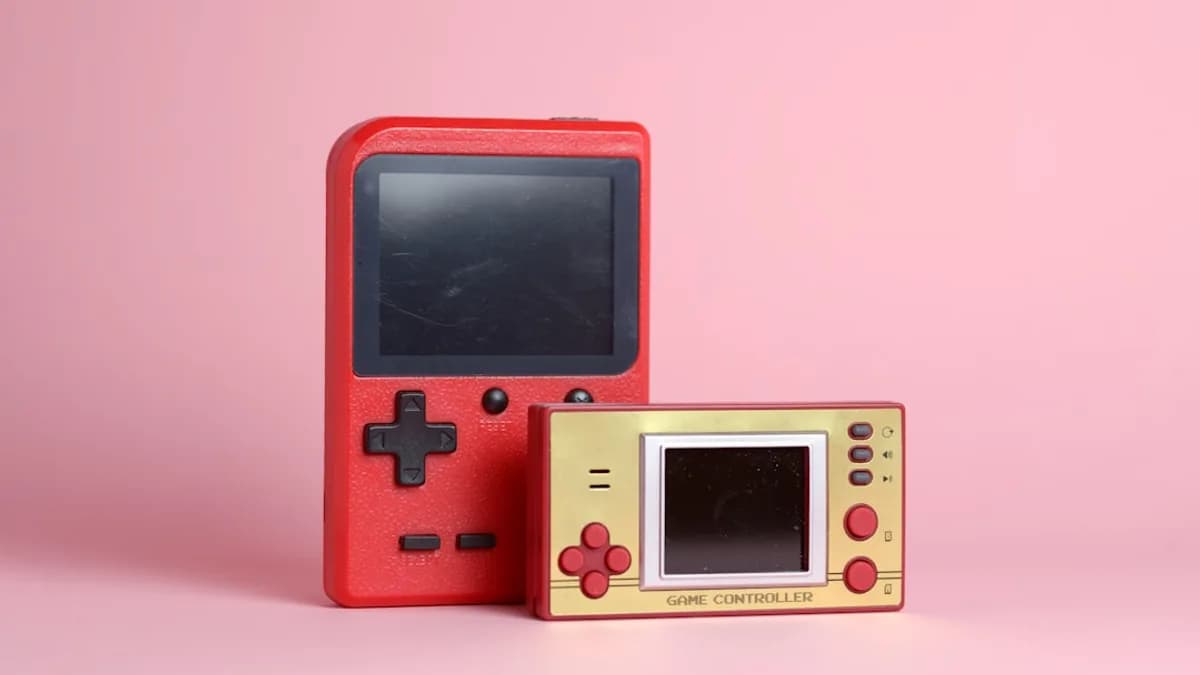
A budget handheld running open-source Linux isn’t rare, but the RF40H’s 1:1 display sets it apart from nearly every rival in its class. Most affordable retro handhelds stretch or crop classic games to fit widescreen or irregular aspect ratios, muddling pixel art and tanking nostalgia. The RF40H promises a 1:1 screen—meaning games designed for square displays should appear as their creators intended.
This is a subtle but significant shift. Iconic retro titles—especially from the Game Boy and early arcade era—were built for 1:1 displays. Scaling those visuals to fit modern screens typically introduces blur or distortion. Purists crave the sharpness and sprite clarity that only a true square panel can deliver. For anyone who wants a “just like I remember” experience, the RF40H’s screen could be a dealmaker.
Multiplayer support adds another layer. Many classic handhelds skipped this feature, forcing solo play even when the original titles supported head-to-head gaming. With multiplayer included, the RF40H signals a push toward authentic, social retro sessions—something the market often overlooks. Notebookcheck highlights both the fidelity and the fun factor: a rare combo at this price point.
Hardware and Software: Modern Inputs on a Budget Console
The RF40H’s hardware is described as “fairly modern” and affordable, but the specifics are thin. Notebookcheck confirms the presence of modern input options, which likely means more than a D-pad and two buttons—at minimum, enough to run a broad library of retro games. The inclusion of multiplayer support implies either local wireless or physical connection capability, an unusual feature for this segment.
On the software side, the device runs a custom Linux operating system. For tinkerers and developers, open-source Linux means potential for customization, community mods, and possibly alternative firmware. The RF40H isn’t locked into a proprietary environment—users could theoretically tailor the system for unique use cases or optimize for speed and compatibility. In a market where most budget handhelds use closed, generic firmware, this could open the door for rapid iteration and community fixes.
The source does not provide direct comparisons to other handhelds, but the combination of a 1:1 display, modern controls, multiplayer, and open-source OS is rare at this price tier. It’s a hardware-software package that signals the RF40H isn’t just a toy—it’s a platform.
What We Know and What Remains Unclear
Concrete details are scarce. Pricing, technical specifications (CPU, RAM, storage, display resolution), and build materials are not provided. There are no performance benchmarks, no battery life estimates, and no compatibility lists for classic titles.
What’s clear: the RF40H is positioned as highly affordable, supports multiplayer, has a 1:1 display, and runs custom Linux. The rest is speculation. We don’t know how well the hardware handles emulation, what games will run smoothly, or how robust the community support will be. Without hands-on reviews or spec sheets, it’s impossible to judge the RF40H’s actual value or durability.
Analysis: Why This Matters
Open-source handhelds have struggled to balance price, build quality, and user experience. The RF40H aims to thread that needle by offering features that matter to enthusiasts—authentic display ratio, modern controls, and multiplayer—without chasing premium pricing or superfluous specs. For retro gamers, this could lower the barrier to entry for high-fidelity, authentic experiences.
If the multiplayer implementation is solid, it could nudge rivals to revisit this neglected feature. The Linux OS, if implemented cleanly, could spark a wave of user-driven innovation: custom frontends, new emulators, or homebrew development. But all of this hinges on execution, not promises.
What to Watch Next
Three factors will determine whether the RF40H moves from curiosity to cult favorite:
- Detailed specs and pricing: Will the hardware actually deliver on emulation fidelity and input responsiveness? Without numbers, everything is an open question.
- Community adoption: Will developers embrace the Linux platform, and will the company support modding and updates? The potential is there, but follow-through is everything.
- Build quality and support: Affordable doesn’t have to mean flimsy. Early reviews and teardown reports will reveal whether the RF40H is built to last or just another disposable gadget.
If the answers are positive, the RF40H could set a new baseline for what “budget” retro consoles should offer. If not, it will join the long list of promising but underwhelming open-source handhelds. Either way, the 1:1 display and multiplayer focus are signals that the market is shifting—watch for competitors to respond.
For now, the RF40H is all promise and potential. The next wave of hands-on reports will decide whether it delivers.
Why It Matters
- The RF40H preserves classic game visuals with its 1:1 display, appealing to retro gaming purists.
- Multiplayer support introduces authentic social play, a rare feature in budget handhelds.
- Open-source Linux encourages customization and community-driven development for the device.