Apple’s Foldable iPhone Ultra Targets a Fall Launch
Apple is preparing to debut its first foldable iPhone—likely branded as the iPhone Ultra—this fall, vaulting the company into the high-end foldable market for the first time, according to 9to5Mac. This is Apple’s boldest hardware move in years and signals a willingness to break from the slab-style form factor that has defined the iPhone since 2007.
The iPhone Ultra is set to anchor Apple’s flagship lineup, sitting above the Pro models and introducing a new design language with its foldable display. The move comes after years of speculation and sets up a direct challenge to rivals that have already staked claims in the foldable space.
Six Features That Could Redefine Apple’s Premium Phone
While Apple hasn’t confirmed specifics, rumors and leaks suggest the iPhone Ultra will arrive with six marquee features, each aimed at differentiating it from both traditional iPhones and rival foldables.
First, the foldable display is the headline. Expect Apple to push durability and seamlessness, given its track record for smooth hardware integration. The rumor mill points to a design that blends the familiar iPhone aesthetic with a book-style fold, allowing the device to transition from standard phone to something closer to a tablet.
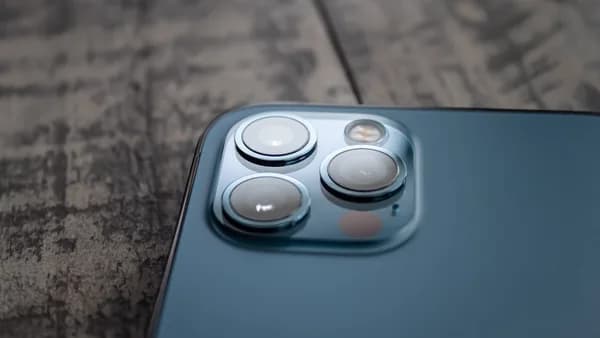
Second, camera upgrades are likely. The Ultra’s positioning at the top of the range means Apple has every incentive to introduce advanced photography features—possibly tuned for both folded and unfolded modes. While the exact specs remain under wraps, the expectation is for a dual or multi-lens system that can handle everything from ultra-wide shots to video calls with the device half-open.
Third, the battery system will need to support a larger screen and more demanding use cases. Apple’s engineering challenge is clear: deliver battery life that matches or exceeds current Pro models while powering two displays.
Fourth, a next-generation processor is all but guaranteed. The Ultra is expected to showcase Apple’s latest silicon, optimized for multitasking and the unique demands of a foldable interface. Processing power will be critical to delivering the fluidity users expect from Apple—and to unlocking any exclusive features tied to the Ultra’s form factor.
Fifth, software tailored for the foldable experience. Apple’s control over both hardware and iOS means the Ultra could introduce entirely new interactions—split-screen multitasking, continuity between displays, or interface tweaks reminiscent of iPadOS. This is an area to watch: Apple rarely launches new hardware without a software hook.
Sixth, the build. Apple is rumored to be focusing on premium materials—possibly a titanium frame or similar—to balance weight and resilience. Color options may be minimal at launch, reinforcing the device’s luxury positioning.
Why the iPhone Ultra Matters for Apple and the Industry
The arrival of the iPhone Ultra is more than a spec bump—it’s a signal Apple is ready to shape the next era of premium smartphones. For years, the company has watched rivals experiment with foldables, holding back until materials science and user experience met its standards. That wait appears to be over.
If the Ultra delivers, it could reset expectations for what a flagship phone should do. Apple’s tight hardware-software integration means any new form factor gets paired with features that actually work, not just tech demos. And the Ultra’s debut will likely pull the rest of the iPhone lineup—and the accessory market—into its orbit.
What’s Still Unclear: Specs, Price, and Apple’s Software Play
Details remain tightly held. The actual display specs, camera configuration, processor name, and battery architecture are all unconfirmed. Pricing and availability are also absent—the only timing window is “this fall.” Apple’s approach to foldable-specific software is another wild card. Will the Ultra get exclusive iOS features, or will the experience trickle down to other models in the future?
Even the name “iPhone Ultra” is not locked; it’s the leading rumor, but Apple could take a different branding route at launch.
What to Watch Next: Launch Event, Early Hands-On, and Developer Adoption
All eyes are now on Apple’s fall event, where the Ultra is expected to debut officially. The company’s ability to show real-world use cases—and avoid the pitfalls that have plagued early foldable devices—will be key. Initial hardware teardowns and developer reactions will offer the first hard evidence of whether the Ultra is a true leap or just a premium experiment.
For now, the iPhone Ultra stands as Apple’s most ambitious move in years. If it lands, expect ripple effects across devices, platforms, and the high-end smartphone market. If it stumbles, Apple will be reminded that not every category is ripe for reinvention.
Why It Matters
- Apple's first foldable iPhone signals a major shift in its hardware strategy and premium device lineup.
- The iPhone Ultra brings Apple into direct competition with established foldable phone makers, potentially reshaping the market.
- New hardware features may set new standards for durability, camera technology, and user experience in high-end smartphones.