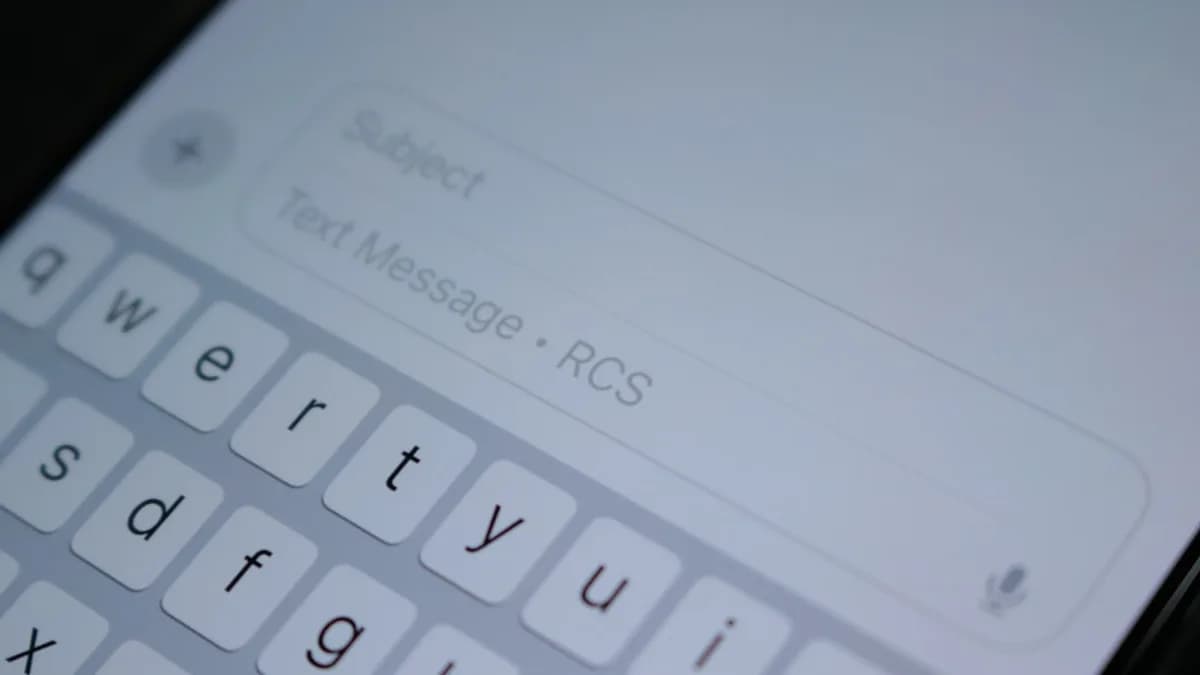
Apple Launches iOS 26.5 Introducing RCS Messaging for iPhone Users
Apple just flipped the switch: iOS 26.5 brings RCS support to iPhones, letting users send encrypted messages to Android users natively for the first time. This closes one of the most frustrating gaps in Apple’s messaging history, as iPhones and Androids can now exchange protected messages without jumping to WhatsApp, Signal, or Telegram. The update also adds a second, unnamed feature, but Apple is keeping details on that one under wraps for now, according to Notebookcheck.
Until now, Apple users were stuck with unencrypted SMS when texting non-iPhones—leaving conversations exposed and stripping away modern features. With iOS 26.5, those walls are coming down. The company hasn’t spelled out whether this change is rolling out globally or in specific regions first, and details on the second feature remain elusive.
How RCS Support Enhances Cross-Platform Messaging Security and Usability
RCS—short for Rich Communication Services—was designed to replace SMS and MMS, standardizing messaging with enhanced capabilities. On Android, RCS means better group chats, higher-quality images, and added privacy features. Now, iPhone users can send encrypted messages to Android phones directly from the default Messages app, without relying on third-party apps.
This change matters because encryption is no longer locked behind Apple’s walled garden. The previous system offered no encryption between iPhones and Androids, exposing texts to interception and disabling features like media sharing and read receipts. Now, Apple users gain a layer of security and convenience previously missing in cross-platform chats.
Analysis: The source doesn’t clarify the exact technical implementation—such as whether all messages are end-to-end encrypted, or if features like read receipts and typing indicators are enabled for RCS chats on iPhone. But the move signals Apple’s reluctant acceptance of a more open, interoperable standard. The days of green bubbles meaning “insecure” or “bare-bones” may be numbered.
What iOS 26.5 Means for the Future of Apple’s Messaging Ecosystem
Apple’s adoption of RCS is a watershed for messaging, but the full impact depends on how the company expands support in future iOS updates. If Apple implements more of RCS’s advanced features—like better group messaging and file sharing—cross-platform texting could finally become seamless.
The real test is whether users notice a shift in their day-to-day habits. For years, iPhone users have nudged Android contacts toward iMessage alternatives for privacy and convenience. With encrypted messaging now a default, that pressure may ease.
What’s still unclear: The second new feature in iOS 26.5 is not described in the source. It’s also unknown whether all RCS features are supported at launch, and how message security works under the hood. Apple’s typical silence on technical details leaves open questions for security professionals and curious users alike.
What to watch: Will Apple iterate quickly on RCS, or keep it barebones? Will Android users respond to the change, or does the green/blue bubble divide carry on in group dynamics? The next iOS updates will reveal whether this is the start of true parity—or just the minimum Apple could do to stop the criticism.
For now, iOS 26.5 delivers what users have demanded for years: encrypted messaging with Android, without leaving the default app. The broader consequences for Apple’s messaging strategy and user behavior are just starting to play out.
Why It Matters
- iPhone users can now send encrypted messages directly to Android users, improving privacy.
- Cross-platform messaging is more seamless, with better media sharing and chat features.
- Apple’s adoption of RCS narrows the gap between iOS and Android communication, reducing reliance on third-party apps.